
The cultural heartbeat of Yogyakarta, Indonesia, is set to quicken as the 21st Jogja-Netpac Asian Film Festival (JAFF) prepares to unveil its most ambitious program to date. Running from November 28 to December 5, the festival stands as a testament to the resilience and evolution of Asian cinema. With a staggering lineup of 254 films representing 34 countries, the event promises to be a transformative experience for filmmakers, industry professionals, and cinephiles alike.
Under the thematic banner of "Influx," this year’s edition seeks to map the currents of change that define contemporary life. By curating a diverse selection of competitive and non-competitive works, the festival serves as a vital bridge between traditional storytelling and the experimental frontiers of the 21st century.
A Cinematic Gateway: Opening and Closing Highlights
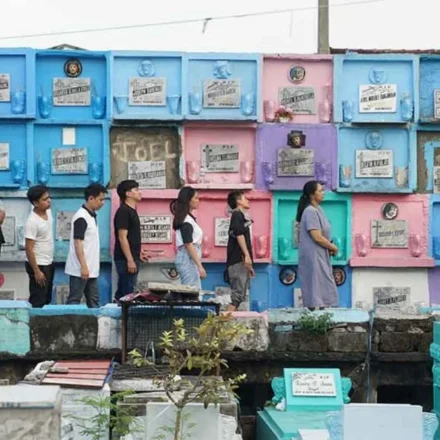
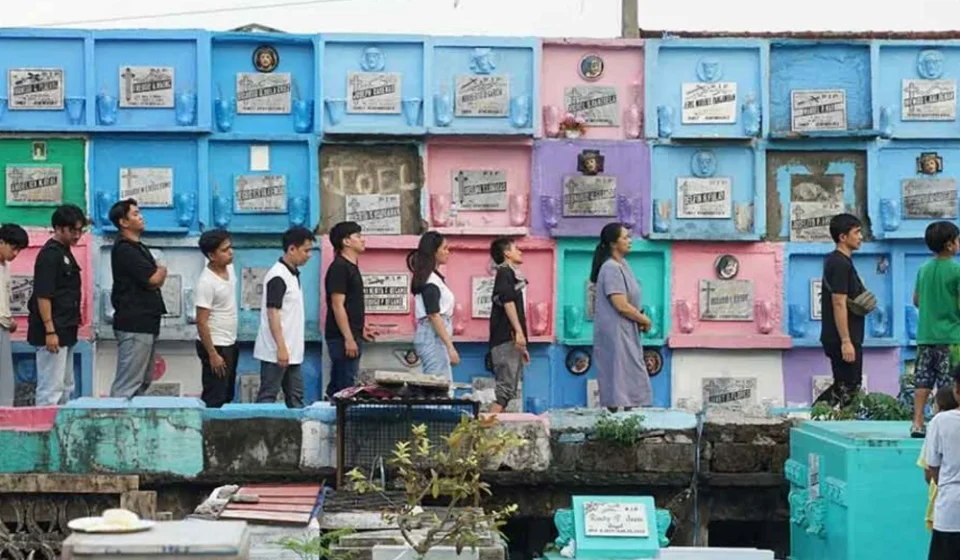
The festival will commence with the Indonesian premiere of Lawrence Fajardo’s gripping Filipino drama, Silenced Nights. Having already garnered significant attention at the Toronto International Film Festival, the film is poised to set a high-stakes tone for the week’s events. The narrative, known for its unflinching look at human fragility, aligns perfectly with the festival’s mandate to present works that challenge the status quo.
Closing the curtain on December 5, the festival will present Ueda Makoto’s Japanese comedy-drama, You Are the Film. Fresh off its triumph at the Brussels International Fantastic Film Festival, where it secured the prestigious White Raven Award, the film serves as a lighter yet equally profound bookend to the week. By contrasting the heavy, emotive gravitas of the opener with the inventive, genre-bending spirit of the closing film, the JAFF organizers demonstrate their commitment to the full spectrum of the human experience.
Thematic Resonance: Why "Influx"?
The choice of "Influx" as the central theme for the 21st edition is far from accidental. As global social climates grapple with unprecedented levels of instability and uncertainty, the festival aims to provide a space for reflection.
"In line with the theme ‘Influx,’ this year JAFF wants to look at how currents of change affect our lives and the way we understand one another," explained Budi Irawanto, the festival president. "Amid a social climate full of uncertainty and instability, cinema gives us the chance to listen to different experiences and see issues from other perspectives."
This philosophy underpins the entire selection process. Whether through the lens of a historical epic or an intimate character study, the films chosen for JAFF are intended to spark dialogue, foster empathy, and encourage audiences to engage with the "influx" of new ideas and cultural shifts that define the modern Asian landscape.
Competitive Landscapes: The Pursuit of Excellence
At the core of the festival are the prestigious Hanoman Awards, which remain the pinnacle of achievement for filmmakers in the Asian circuit. Ten feature films have been selected for the main competition, vying for the Golden and Silver Hanoman Awards. The jury, comprised of Dita Gambiro, Riar Rizaldi, and Shan Zuolong, faces the daunting task of selecting winners from an incredibly strong pool of international talent.
Notable contenders include:
- "A Girl Unknown" (China): Directed by Zou Jing, this film arrives in Yogyakarta with the momentum of the Fipresci Prize from Cannes’ Critics’ Week.
- "Ah Girl" (Singapore): Priscilla Ang Geck Geck’s debut feature has already secured the Youth Jury Award at Rotterdam, with its lead actress earning top honors at the Hong Kong International Film Festival.
- "9 Temples to Heaven" (Thailand): A visionary work by Sompot Chidgasornpongse.
- "Black Coffee" (Indonesia): Jeremias Nyangoen’s latest exploration of local grit and resilience.
- "Cherry and Virgin" (Japan): Directed by Kawajiri Masanao.
- "Fruit Gathering" (Myanmar): A standout work by Aung Phyoe.
- "Hearing" (Vietnam): A evocative piece by Lê Bảo.
- "Ria" (Philippines): Directed by Arvin Belarmino.
- "Roid" (Bangladesh): Directed by Mejbaur Rahman Sumon.
The presence of first-time features from women filmmakers like Zou Jing and Priscilla Ang Geck Geck highlights a growing trend of gender-diverse storytelling that the festival is proud to champion.
Local Spotlight: The Indonesian Screen Awards
The Indonesian film industry occupies a central pillar of the festival, with the Indonesian Screen Awards providing a platform for local creators. Ten categories, ranging from Best Film and Best Director to technical crafts like Original Music and Poster Design, will be contested by a stellar lineup.
Among the frontrunners is Eddie Cahyono’s Ibuku, which previously claimed the Busan Award Special Jury Prize. Joining the competition is Ravi Bharwani’s Secrets, which will celebrate its world premiere in Yogyakarta. Other notable entries include Ferdinand Almi’s Shattered Vows, Ariani Darmawan’s Jani Be Good, and Andrew Kose’s Mate’s Rate. The jury for these awards—Sharifah Amani, Tanigaki Kenji, and Yoon Ga-eun—brings a wealth of regional and international experience to the decision-making table.
Expanding Horizons: The JAFF Awards and Community Spirit
Innovation is the hallmark of the 21st edition, most notably with the introduction of the JAFF Awards. Unlike traditional competitive categories, these awards recognize the unsung heroes of the industry: the individuals, communities, and institutions that sustain the ecosystem through production, financing, archiving, and knowledge-sharing.
Festival director Ifa Isfansyah remarked on the significance of this new initiative: "JAFF was born from a community spirit, and over two decades we have seen how a single encounter can open the way for a film’s or a filmmaker’s journey. The JAFF Awards come from the same belief: that Asian cinema grows through the work of many connected people."
The festival has partnered with the Gelanggang Inovasi dan Kreativitas (GIK) UGM to host these honors, cementing the relationship between academic innovation and artistic practice.
Curatorial Breadth: Panorama, Rewind, and Beyond
Beyond the high-stakes competitions, the Panorama section offers a curated look at the works of leading Asian directors. This year’s lineup is a cinephile’s dream, featuring masters of the craft such as Hamaguchi Ryusuke (All of a Sudden), Lav Diaz (Let Us Through, Dear Ancestors), and Hur Jin-ho (The Assassin(s)).
The "Rewind" strand provides a nostalgic yet critical look at the past. By screening Studio Ghibli classics like Spirited Away, My Neighbor Totoro, and Howl’s Moving Castle alongside genre-defining hits like Kurosawa Kiyoshi’s Cure and Yeon Sang-ho’s Train to Busan, the festival acknowledges the cultural weight of these works. The inclusion of Indonesian classics like Eiffel… I’m in Love and Heart serves to remind the audience of the domestic films that defined the early 2000s for a generation of Indonesian moviegoers.
Industry Growth: JAFF Market
The festival’s influence extends well beyond the screen. The JAFF Market, running November 28–30 at the Jogja Expo Center, acts as the primary engine for industrial growth. With six distinct programs—including the JAFF Future Project, IP Connection, and the Film & Market Conference—the event facilitates the essential connections that turn concepts into reality. Whether it is through the Film Lab or Market Screenings, the event ensures that the "influx" of talent is met with the infrastructure needed to reach global markets.
A Legacy of Collaboration
The 21st JAFF is supported by Indonesia’s Ministry of Culture through the Dana Indonesia Raya program, reflecting the national government’s commitment to positioning Yogyakarta as a regional hub for cinema. Additional partnerships—ranging from Amar Bank’s sponsorship of the "Undercurrent" program to the TikTok Film Circle’s creative workshops—demonstrate a forward-thinking approach to funding and audience engagement.
As the festival prepares to open its doors on November 21 for ticket sales via the TipTip platform, the sense of anticipation is palpable. By balancing competitive rigor with community building and historical appreciation, the 21st Jogja-Netpac Asian Film Festival is not merely screening films; it is defining the future trajectory of Asian cinema. As program director Alexander Matius noted, "Asian cinema keeps moving forward through new voices, a willingness to experiment with form, and stories that stay close to people’s lives." For one week in November, the world will be watching Yogyakarta to see where those stories lead.