The Visceral Evolution of Rubaiyat Hossain: Body Horror, Class, and ‘The Difficult Bride’

The international cinematic landscape is currently witnessing a paradigm shift in how feminist narratives are told, moving away from traditional melodrama toward the visceral, unsettling territory of body horror. At the forefront of this movement is Bangladeshi auteur Rubaiyat Hossain, whose latest feature, The Difficult Bride, has emerged as a crowning achievement in a career defined by subversion. Premiering at the Venice Film Festival and garnering significant acclaim at subsequent stops in Tokyo and London, the film marks a definitive international breakthrough for a director who has long been a maverick in South Asian cinema.
By weaving together the haunting psychological depths of Sylvia Plath’s The Bell Jar with the tactile, often stomach-turning tropes of body horror, Hossain explores the suffocating expectations placed upon women within Dhaka’s elite circles. The Difficult Bride is not merely a genre exercise; it is a scathing critique of class, the commodification of beauty, and the psychological fractures that occur when personal autonomy is traded for social perfection.
Main Facts: A Breakthrough for Bangladeshi Cinema
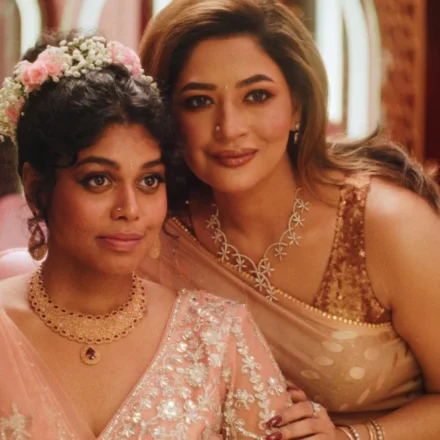
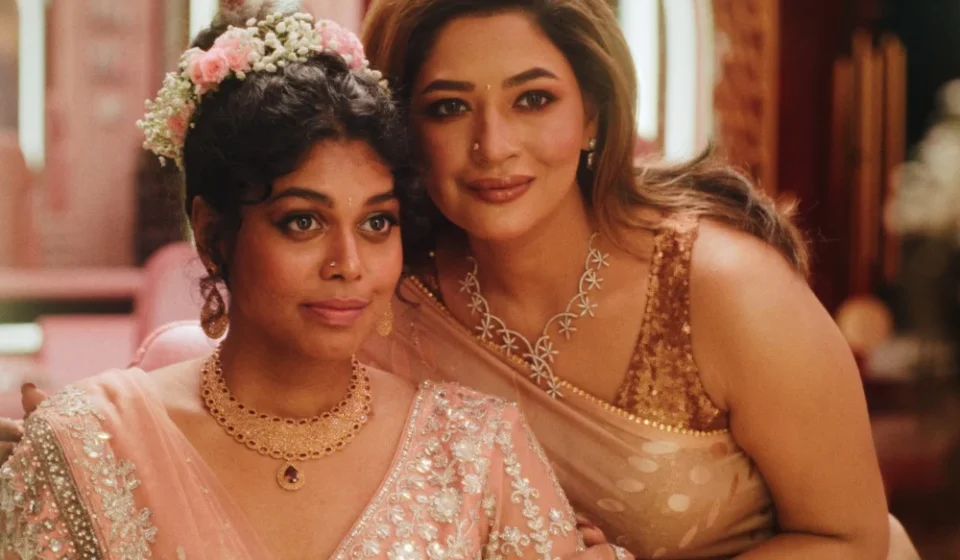
The Difficult Bride centers on Zaineen (portrayed with nuanced fragility by Zaineen Chowdhury Karim), a young woman from Dhaka’s upper echelon who is preparing for a high-society wedding. While her life appears enviable—complete with a supportive, wealthy fiancé and a future at NYU—her internal world is disintegrating. As she undergoes a series of increasingly invasive beauty treatments at the "Mayfair" salon, her body begins to rebel, manifesting in skin eruptions, shedding hair, and hallucinations of slithering creatures.
The film’s success on the festival circuit—most notably its presence in the competition slots at the Tokyo International Film Festival and the BFI London Film Festival—highlights a growing global appetite for Bangladeshi stories that transcend the "poverty porn" tropes often associated with regional cinema. Instead, Hossain offers a "lusciously tactile" experience, where the shimmer of expensive silk is juxtaposed with the rupturing of human flesh.
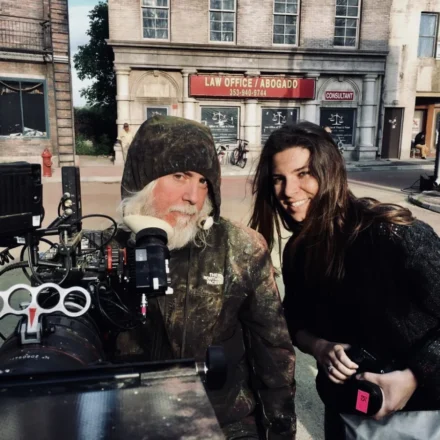
Supported by a transnational crew, including Portuguese cinematographer Leonor Teles and French sound designer Marie-Clotilde Chery, the film bridges the gap between local cultural specificities and universal themes of female entrapment.
Chronology: From Controversy to Global Acclaim
Rubaiyat Hossain’s trajectory as a filmmaker is a testament to resilience. Her career has been marked by a consistent effort to reclaim gendered spaces and explore female sexuality in a society that often prefers such topics to remain behind closed doors.
2011: The ‘Meherjaan’ Controversy
Hossain’s debut, Meherjaan, was a baptism by fire. The film, which explored a love story between a Bengali woman and a Pakistani soldier during the 1971 War of Independence, was met with fierce backlash from conservative forces in Bangladesh. It was pulled from theaters shortly after its release, but it established Hossain as a director who refused to shy away from uncomfortable historical and social truths.
2015–2019: Refining the Female Gaze
With Under Construction (2015), Hossain turned her lens toward the urban middle class, using the metaphor of a theater production to examine a woman’s struggle for identity. This was followed by Made in Bangladesh (2019), which brought her significant international attention. The latter focused on the garment industry, highlighting the labor rights and agency of working-class women. It was a grounded, realist drama that showcased Hossain’s ability to handle large-scale social issues through intimate character studies.
2024: The Arrival of ‘The Difficult Bride’
The Difficult Bride represents the culmination of these previous themes—the animal imagery of Under Construction and the textile-focused aesthetics of Made in Bangladesh—fused into a new, more experimental form. By moving into the "body horror" genre, Hossain has found a way to externalize the internal trauma of her protagonists, making the psychological physical.
Supporting Data: The Aesthetics of Entrapment
The power of The Difficult Bride lies in its meticulous attention to surfaces. Hossain understands that for Dhaka’s elite, the exterior is the only currency that matters.
The Ritual of the Salon
The "Mayfair" salon, run by an impossibly perfect owner (Azmeri Haque), serves as the film’s central site of transformation—or perhaps, desecration. The entrance resembles a funeral parlor, a visual cue that the "beautification" process is a form of ritualistic killing of the self. Zaineen is subjected to a regimen of:
- Chemical peels and abrasive scrubs.
- Injections and mysterious poultices.
- Constant surveillance of her physical flaws.
This process is captured with "stomach-churning" detail by cinematographer Leonor Teles. The camera lingers on abscesses and rupturing skin, creating a sensory experience that mirrors the protagonist’s rising anxiety.
Sound and Symbolism
Sound design plays a crucial role in establishing the film’s uncanny atmosphere. Marie-Clotilde Chery uses the "viscous drag" of snails, the slither of snakes, and the movement of catfish to create a sonic landscape of infestation. These creatures represent the "chaos" that Zaineen is taught to fear, yet they are also the only things that feel "real" in her airless, climate-controlled environment.
The Class Divide
The film highlights the extreme isolation of Dhaka’s wealthy. Zaineen moves from her gated community to a chauffeur-driven car to the isolated "temple of beauty" at Mayfair. Hossain, who shot parts of the film in her own home, captures the "hermetic" nature of this life. When the outside world intrudes—whether through the poor people clamoring at her car window or the abusive police officers she encounters while trying to buy marijuana—it is experienced as a threat to the controlled perfection of her existence.
The character of Minoti (Reekita Nondine Shimu), the beautician, serves as a working-class foil to Zaineen. While Zaineen’s body is a canvas for expensive treatments, Minoti’s body is a tool for labor. However, some critics have noted that Minoti’s character feels slightly underwritten, suggesting that while the script acknowledges the class dynamic, it remains primarily focused on Zaineen’s psychological descent.
Official Responses and Critical Reception
The reception of The Difficult Bride has been overwhelmingly positive, particularly regarding its place within the "New Wave" of feminist horror.
Festival Feedback
At the Venice Film Festival, critics praised Hossain’s "boldness" in combining Sylvia Plath with body horror. Comparisons have been drawn to recent feminist horror hits like Coralie Fargeat’s The Substance, though Hossain’s work is noted for its specific South Asian textures—the use of crimson reds, traditional fabrics, and the weight of familial expectation.
Technical Acclaim
The film’s production design, led by Jonaki Bhattacharya, has been singled out for its brilliance. The use of "glittering sequins" and "richly embroidered textiles" serves as a metaphor for the gilded cage Zaineen inhabits. Critics have noted that the film’s visual language is "beholden to no one," establishing a unique aesthetic that is both beautiful and repulsive.
Academic and Literary Connections
The inclusion of The Bell Jar and William Dalrymple’s The Last Mughal as props has sparked discussion among literary-minded viewers. While Zaineen reads about a woman’s descent into madness and isolation, her fiancé, Aarman, reads about the history of power. This juxtaposition underscores the gendered divide in how the two characters view their future: he sees a continuation of his legacy, while she sees the loss of her independence.
Implications: A New Era for Bangladeshi Cinema
The success of The Difficult Bride has several significant implications for the future of filmmaking in the region and the genre of body horror at large.
1. Subverting the "Subservient Bride" Archetype
In South Asian cinema, the "bride" is often a figure of purity, sacrifice, and transition. Hossain completely subverts this by making the bride "difficult"—not just in her behavior, but in her physical refusal to conform to the "goddess" ideal. This subversion challenges the traditional patriarchal gaze that views the bride as a trophy to be polished.
2. The Globalization of Regional Aesthetics
By working with a diverse, international crew, Hossain has shown that Bangladeshi stories can be told with high-concept production values without losing their cultural soul. The film’s ability to travel to major festivals suggests that the "Bangladeshi New Wave" is not just a localized phenomenon but a significant contributor to global cinema.
3. Body Horror as a Political Tool
Hossain’s use of body horror demonstrates that the genre is an effective tool for political and social critique. By making the "suffocation" of the upper class literal—through skin that won’t breathe and hair that falls out—she forces the audience to feel the weight of social structures that are often invisible.
4. Reclaiming the "Maverick" Label
For Rubaiyat Hossain, The Difficult Bride is a triumphant middle finger to the conservative forces that once tried to silence her. It proves that her focus on gendered spaces and female sexuality was not a phase, but a lifelong mission. She remains an outlier, but now, the world is watching.
In conclusion, The Difficult Bride is a landmark film that uses the visceral language of the body to speak volumes about the soul. It is a haunting, beautifully crafted, and deeply uncomfortable experience that cements Rubaiyat Hossain’s status as one of the most vital voices in contemporary cinema. As Zaineen’s world crumbles and her skin ruptures, the film asks a haunting question: in a world obsessed with perfection, what is the cost of being "happy"?