
In the modern landscape of prestige television, few endorsements carry as much weight as those from the "Master of Horror" himself, Stephen King. Known for his insatiable appetite for genre fiction, King has spent years cultivating a reputation as an informal curator of pop culture via his social media presence. From deep-cut indie thrillers to high-concept streaming hits, his recommendations often serve as a bellwether for what audiences should add to their watchlists. His latest obsession is My Sad Dead (Mis muertos tristes), a four-part miniseries now streaming on Netflix that has captured his attention for its audacious premise and atmospheric dread.
The Core Premise: A Macabre Neighborhood Contagion
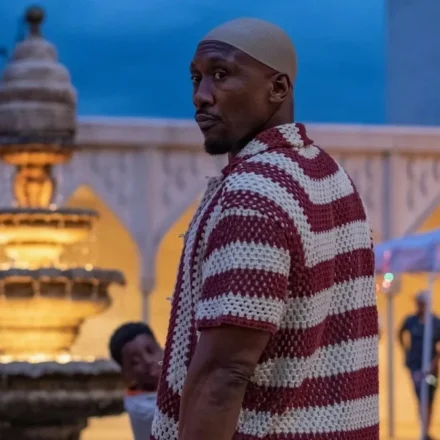
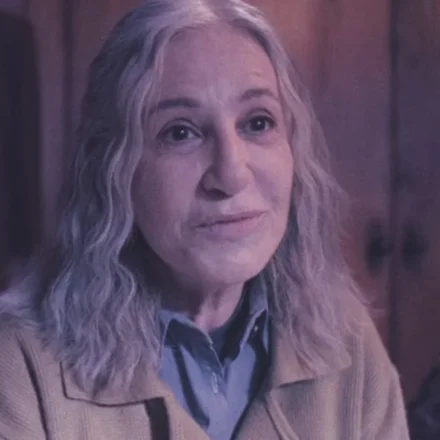
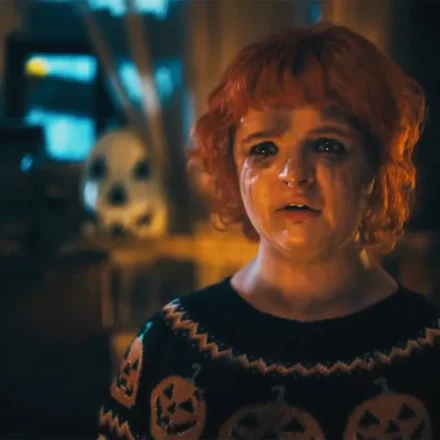
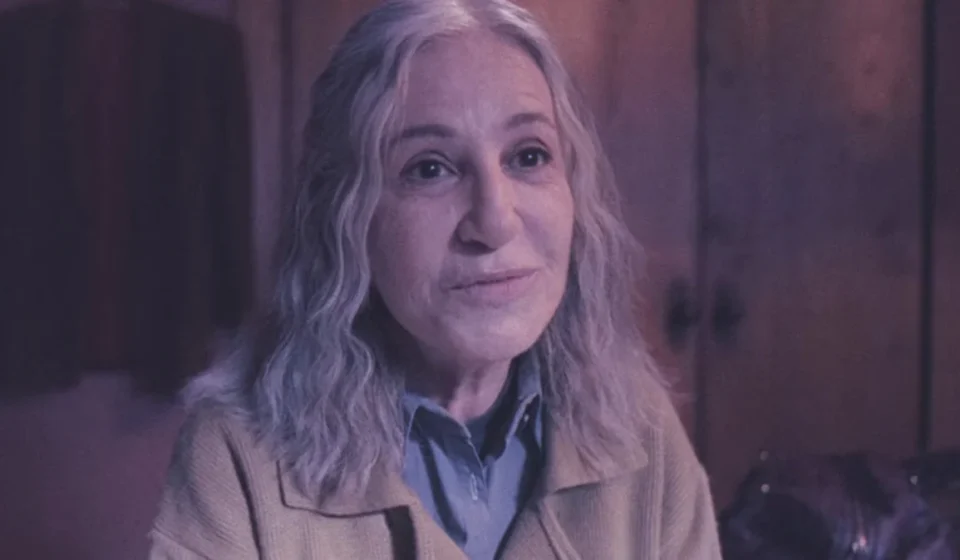
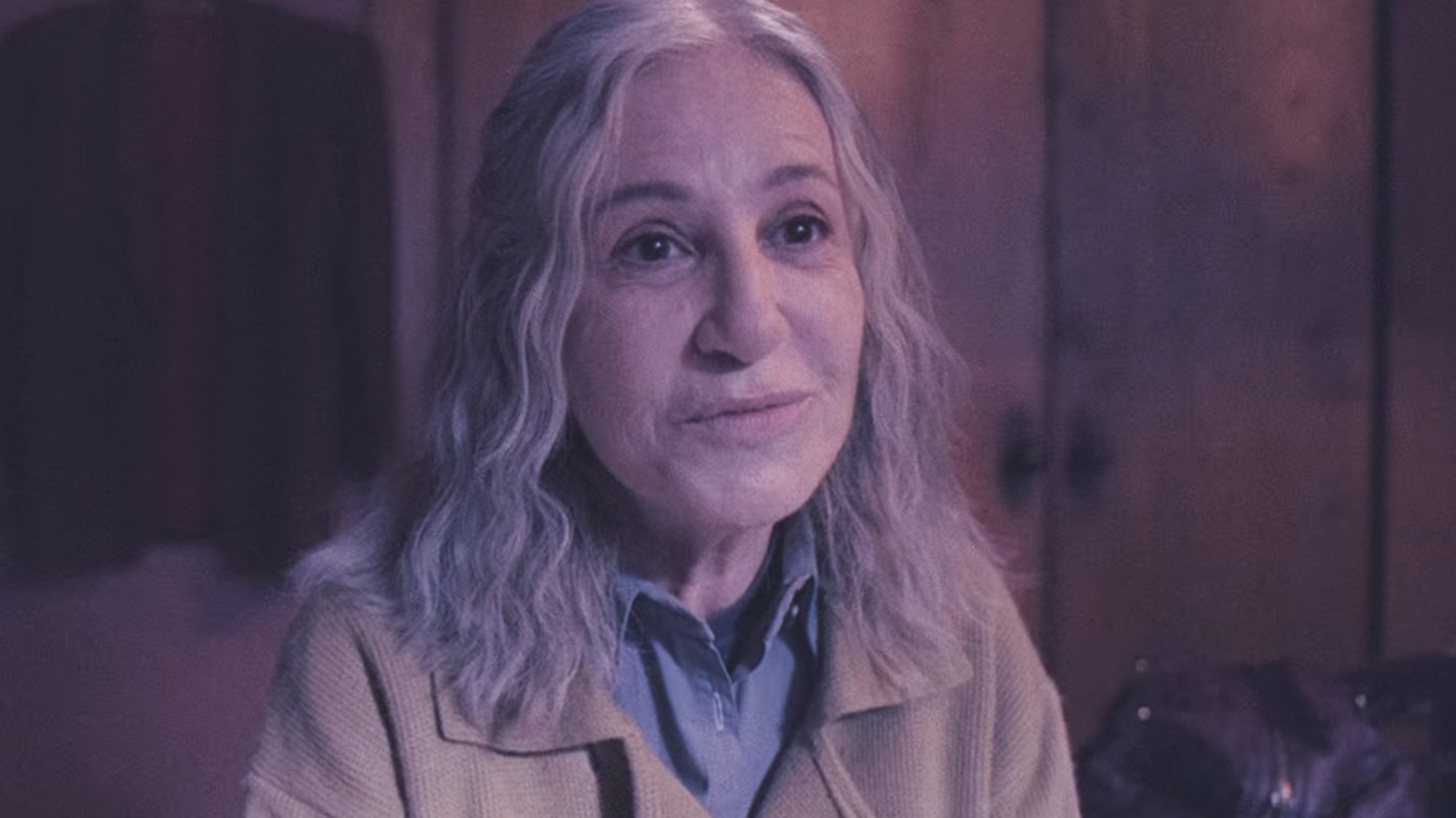
At the heart of King’s praise is the series’ high-concept hook, which he described on Threads as a "cool idea" that subverts the traditional "medium" trope. The plot centers on Ema, a recently retired doctor portrayed with weary gravitas by Mercedes Morán. Ema possesses a haunting, often burdensome, ability to perceive and communicate with the spirits of the deceased. Her niece, Julie (Carolina Sánchez Álvarez), shares this gift but approaches it with a reckless, hedonistic fervor, using the supernatural presence of the dead for illicit encounters.
The narrative pivot occurs when Julie suffers a tragic, gruesome accident, falling into the city’s water supply and decomposing. In a stroke of dark, existential irony, the residents of the local housing project who consume the water find themselves suddenly endowed with the ability to see and hear the dead. This sudden, mass-scale "haunting" transforms the neighborhood into a claustrophobic pressure cooker where the living must navigate their daily lives alongside the lingering, decaying memories of the past.
A History of King’s Digital Curations
Stephen King’s influence on the viewing habits of his millions of followers is not a new phenomenon. Over the past decade, the author has utilized platforms like X (formerly Twitter) and Threads to provide a running commentary on the state of contemporary entertainment.
Chronology of Recommendations
- 2024: King provided a sprawling slate of recommendations that bridged the gap between cerebral sci-fi and biting comedic thrillers, reinforcing his status as a tastemaker who values narrative ingenuity over budget size.
- 2026: Earlier this year, King lent his support to Apple TV+ offerings Widow’s Bay and Maximum Pleasure Guaranteed, highlighting his ongoing preference for platforms that allow for unconventional, long-form storytelling.
- The Lisey’s Story Era: While his current recommendation of My Sad Dead is purely promotional, it brings back memories of his deep personal involvement in the 2021 adaptation of his 2006 novel, Lisey’s Story. That project, helmed by Pablo Larraín, faced a lukewarm reception, sparking a broader critical debate about whether an author’s proximity to their own work—or their choice of collaborators—can sometimes hinder the adaptation process.
The Larraín Connection: From Biopics to the Supernatural
The choice of director for My Sad Dead is a significant factor in King’s enthusiastic endorsement. Pablo Larraín, the Chilean auteur behind acclaimed biographical films such as Jackie, Spencer, and Maria, is a long-time acquaintance of King. Their professional history is complex, marked by the aforementioned collaboration on Lisey’s Story.
For My Sad Dead, Larraín has returned to his roots, marking his first Argentina-set project. The shift from the high-glamour, high-stakes environments of his previous work to the gritty, socio-economic reality of an Argentine housing project provides a stark, visceral contrast. By directing all four episodes, Larraín ensures a cohesive vision, stripping away the polish of his previous Hollywood-centric work to focus on the raw, slow-burn horror inherent in the source material.
Supporting Data: Literary Roots and Social Commentary
My Sad Dead is not a work of pure invention; it is adapted from the short stories of celebrated Argentine writer Mariana Enriquez. Enriquez is a titan of contemporary horror literature, known for using the supernatural as a mirror for the brutal realities of Latin American history, including political disappearances and systemic poverty.
Thematic Interrogation
The miniseries serves as more than just a ghost story. It acts as a sociological study:
- The Ghosts of History: The spirits in the housing project are not mere jump-scare fodder; they represent the unresolved traumas of the community.
- The Aging Experience: Through the character of Ema, the series explores the isolation of retirement and the way the past—both literal and metaphorical—refuses to stay buried.
- Dark Humor: Critics have noted that the show balances its bleak premise with a biting, often uncomfortable, sense of humor, making it a unique entry in the 2026 television landscape.
Industry Implications and Critical Reception
The streaming era has created a "recommendation economy" where a single post from a cultural heavyweight can vault a niche, international series into the global Top 10. My Sad Dead is currently benefitting from this "King Effect."
However, industry observers are quick to note that King’s tastes are famously eclectic and occasionally polarizing. He has been known to champion films with dismal critical scores—such as the 2010 action flick Takers—demonstrating that he often values "pure entertainment" or specific narrative elements over consensus quality. As a result, My Sad Dead is currently being viewed through two distinct lenses: the "Stephen King seal of approval" and the objective critical assessment of its slow-burn pacing.
Why My Sad Dead Matters in 2026
In an era where "prestige" often equates to high budgets and massive scale, My Sad Dead stands out for its austerity. By focusing on a single, contained neighborhood and a specific, localized supernatural event, the series achieves a level of intimacy that many modern horror shows lack.
For viewers who enjoy the psychological depth of series like Hannibal or the character-driven supernatural explorations of Mike Flanagan’s Netflix oeuvre, My Sad Dead offers a fresh, albeit unsettling, alternative. It represents a pivot toward international, auteur-driven genre fiction that defies the cookie-cutter structures of traditional network television.
Conclusion: A Must-Watch for the Genre Enthusiast
Whether or not the series will achieve long-term cultural longevity remains to be seen. However, as it stands, My Sad Dead is a rare example of a high-concept horror project that manages to balance deep, thematic resonance with the "cool ideas" that Stephen King so clearly craves.
For those who remain skeptical, the original source material by Mariana Enriquez is available via The New Yorker, offering a gateway into the disturbing and evocative world she has created. Whether the series becomes a modern classic or a forgotten curiosity, its place in the 2026 television conversation is firmly cemented by the fact that it has successfully unsettled, intrigued, and satisfied the most demanding critic in the horror genre.
If you are looking for something that is decidedly "unlike anything else" on your screen, and you trust the judgment of a man who has made a career out of understanding what keeps us awake at night, My Sad Dead warrants a place at the top of your watchlist. Just don’t blame the water supply if you start hearing voices of your own.