The Raccoon City Renaissance: How Zach Cregger’s ‘Resident Evil’ Shattered Box Office Expectations

In the high-stakes world of Hollywood franchise reboots, the "Resident Evil" brand has long been a complex puzzle. Having lived through the high-octane, action-heavy era of Paul W.S. Anderson and the more modest, narratively constrained attempt of Welcome to Raccoon City, the property was in desperate need of a creative transfusion. Enter Zach Cregger. Riding the immense cultural goodwill of his breakout horror hit Barbarian and the anticipation surrounding his follow-up Weapons, Cregger has managed to do what many thought impossible: turn a video game adaptation into a critical and commercial juggernaut.
As of Sunday’s estimates, Sony Pictures and Constantin Film’s latest Resident Evil installment has officially cleared $108.3 million globally in its opening weekend, obliterating conservative industry projections that had pegged the film for a $40–$50 million domestic debut. The film’s performance is not merely a win for Sony; it is a seismic shift in how studios view the viability of horror-action crossovers.
The Anatomy of a Blockbuster: Breaking Down the Numbers
For weeks, box office analysts played it safe. Despite the aggressive marketing campaign and the palpable fervor on social media, the consensus suggested a solid, if unspectacular, opening. The reality, however, proved the skeptics wrong. With a footprint of 3,684 North American theaters, the film secured the highest domestic opening in the history of the Resident Evil franchise.
The $108.3 million global haul represents more than just a momentary spike in interest; it signals a sustainable, long-term theatrical run. While the film earned a "B+" CinemaScore—a respectable grade that typically suggests positive word-of-mouth and strong legs in the coming weeks—the actual audience reception appears to be leaning toward the enthusiastic. When factoring in the international territories where the Resident Evil brand has historically maintained a cult-like following, the sheer volume of ticket sales suggests that Cregger’s vision has transcended the typical "fan-only" ceiling of video game adaptations.
A Chronology of the Comeback
The road to this weekend’s success was paved with years of trial and error. To understand why this specific iteration has connected so deeply with audiences, one must look at the recent history of the franchise:
- 2002–2016: The Paul W.S. Anderson era defined the franchise as a series of stylized, hyper-kinetic action films that prioritized spectacle over narrative fidelity to the source material. While financially successful, the series eventually grew disconnected from the core horror roots of the Capcom games.
- 2021: Resident Evil: Welcome to Raccoon City attempted to course-correct by focusing on game accuracy. However, a fragmented narrative and limited budget prevented it from finding a foothold with mainstream audiences.
- 2023–2024: Sony and Constantin Film announce Zach Cregger as the director of a "new vision" for the franchise. Cregger, fresh off the massive success of Barbarian, was given the creative freedom to pivot away from the established cinematic universe.
- September 2026: Following a relentless marketing blitz that emphasized atmosphere, creature design, and a shift toward high-tension horror, the film premieres to critical acclaim, culminating in the historic $108.3 million opening weekend.
The Cregger Effect: Why This Version Worked
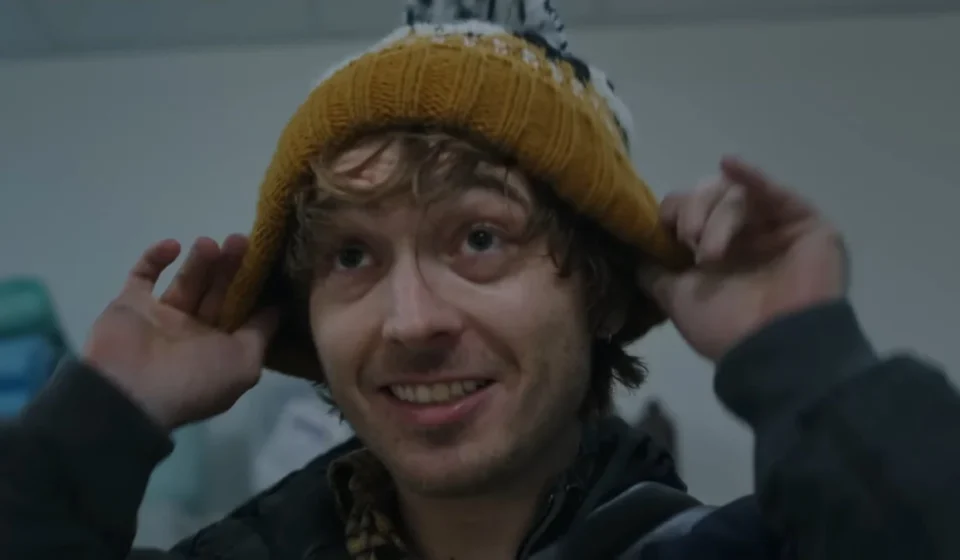
The most significant takeaway from this opening is the vindication of a "visionary-first" approach. For years, the debate surrounding Resident Evil focused on whether a filmmaker should recreate specific characters or iconic scenes from the games. Cregger, however, chose a different path. By focusing on a lean, mean, and terrifying narrative centered on a new protagonist—Bryan, a medical courier played by Austin Abrams—he created a film that felt like a standalone horror masterpiece rather than a checklist of game easter eggs.
As Dread Central’s Matt Konopka noted in his review, the film is "easily the best Resident Evil movie so far." Konopka highlighted the film’s relentless pacing, its visceral creature effects, and a rare ability to balance genuine, skin-crawling horror with moments of dark humor. By prioritizing the feeling of the game—the dread, the claustrophobia, and the sudden, explosive violence—Cregger succeeded where others failed.
The cast, featuring an eclectic mix of talent including Zach Cherry, Kali Reis, Paul Walter Hauser, and Johnno Wilson, provided the grounding necessary to keep the audience invested even as the chaos unfolded. The collaboration between Cregger and screenwriter Shay Hatten—who brought his John Wick: Chapter 4 experience in kinetic choreography to the table—created a final product that felt both elevated and authentic to the gaming source material.

Implications for the Future of Horror Franchises
The industry is currently taking note of the "Cregger Model." In an era where superhero fatigue is real and the box office is increasingly unpredictable, the massive success of Resident Evil serves as a blueprint for how to handle legacy intellectual properties (IP).
1. The Power of the "Auteur Horror" Brand
Sony’s willingness to let a director with a distinct voice like Cregger take the reins is a lesson in trust. By leaning into his reputation for subverting audience expectations, the studio was able to draw in not just die-hard fans of the games, but the "prestige horror" crowd that flocked to Barbarian.
2. Marketing Based on Mood, Not Just Lore
Rather than forcing a deep-dive into the complex lore of Umbrella Corporation, the marketing focused on the immediate, visceral terror of the situation. By positioning the film as a high-octane survival nightmare, the studio widened the appeal far beyond the niche gamer demographic.
3. The Rebirth of the Theatrical Horror Event
There is a growing sentiment that horror is best experienced in a packed theater. The "eventization" of this release—bolstered by positive reviews and a clear, unified creative vision—proved that when a horror film is treated as a major cinematic event, audiences will show up in record numbers.
Looking Ahead: Where Does the Franchise Go from Here?
While it is still early days, the success of this film almost guarantees a sequel. The question now becomes one of momentum. Can Sony and Constantin maintain this level of quality? Will Cregger return for a follow-up, or will the studio look to replicate his success with another high-caliber filmmaker?
The immediate future looks bright. With the franchise successfully "re-booted" in the eyes of both critics and the general public, the pressure is off for the next installment. There is now a solid foundation upon which to build a larger narrative, potentially incorporating more elements from the Capcom lore that fans have been clamoring for, now that the audience has bought into the tone and atmosphere of this new world.
In the final analysis, this weekend was a victory for the "horror-first" approach. By trusting a filmmaker to deliver his own interpretation of a beloved property, Sony Pictures has revitalized a multi-billion dollar franchise. As we move into the coming weeks, all eyes will be on the drop-off rates and international performance, but one thing is already clear: Resident Evil is no longer just a legacy brand clinging to its past. It is, once again, the most exciting horror property in Hollywood.
The Raccoon City nightmare isn’t just back; it’s bigger, bolder, and more dangerous than it has ever been. For those who doubted that the franchise could still surprise us, the box office numbers speak for themselves. The era of the Cregger-led Resident Evil has arrived, and it shows no signs of slowing down.