Infection Returns: Zach Cregger’s ‘Resident Evil’ Poised to Revitalize the Fall Box Office

As the summer movie season fades into the rear-view mirror, theater operators are looking to a familiar, yet fundamentally transformed, source of terror to jolt the early fall box office back into action. Sony Pictures’ latest reboot of Resident Evil—a horror-comedy hybrid—is not merely another installment in a long-running franchise; it is being touted as the definitive "shot in the arm" that cinema owners have been desperate for.
With tracking services suggesting a robust domestic debut between $40 million and $50 million, and some industry insiders whispering about a potential $60 million ceiling, the film represents a high-stakes gamble that appears to be paying off before the first ticket is even scanned.
Main Facts: A Franchise Reborn
The numbers behind the project are as striking as its premise. Produced on a budget of $75 million, this film marks the eighth cinematic entry in the Resident Evil saga and the second major attempt to reboot the property. Unlike previous iterations that focused on sprawling, high-octane action, this version—directed by the visionary Zach Cregger—leans into the visceral, dark humor that has become his signature.
Cregger, who shocked the industry with last August’s sleeper hit Weapons, has brought a distinct tonal shift to the Umbrella Corporation’s nightmare. His previous R-rated thriller, which followed missing students in a harrowing, atmospheric journey, opened to a surprising $43 million and eventually raked in $270 million globally against a modest $38 million budget. That film’s success, coupled with Amy Madigan’s Oscar-winning performance, proved that Cregger possesses the Midas touch for genre-bending horror. Sony is banking on that same cultural electricity to carry Resident Evil to the top of the charts.
A Chronological Odyssey: From 1996 to the Present
To understand the significance of this release, one must look at the long, winding road of the Resident Evil intellectual property. The franchise traces its roots back to the seminal 1996 Capcom video game, which revolutionized the survival-horror genre.
- The Jovovich Era (2002–2016): The franchise first arrived on the big screen in 2002, directed by Paul W.S. Anderson and starring Milla Jovovich as Alice, an original character created specifically for the films. Over six installments, the series generated over $1 billion at the global box office, solidifying itself as the most successful video game-to-film adaptation in history at the time.
- The Stumble (2021): After a hiatus, Sony attempted to pivot back to the source material with Resident Evil: Welcome to Raccoon City. Despite a modest $25 million budget, the film failed to connect with critics or audiences, limping to a $42 million global finish and a disappointing $5.3 million domestic opening.
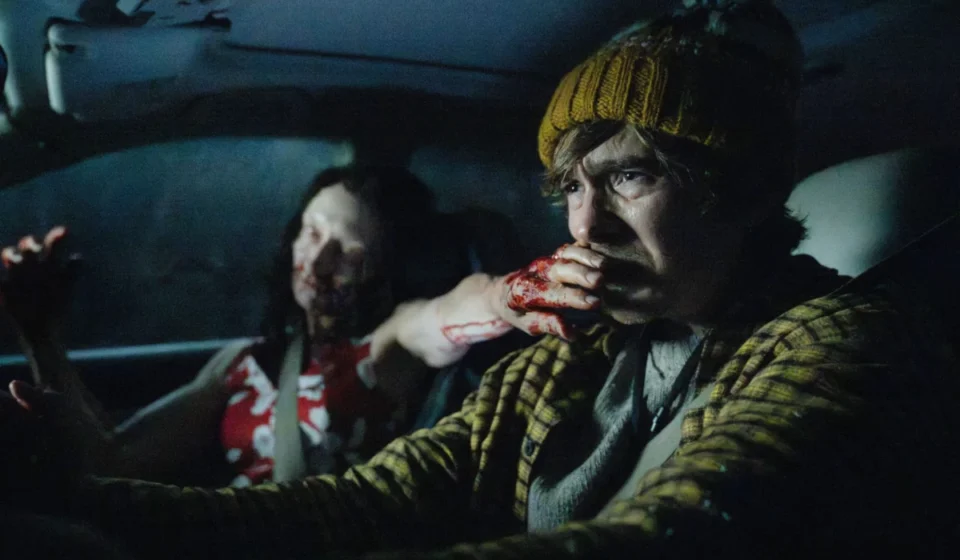
- The Cregger Era (2026): By diverging from the formulaic action-heavy approach of the past, the new Resident Evil aims to reclaim the crown. With Austin Abrams starring as a beleaguered medical courier navigating a viral outbreak in Raccoon City, the film has earned glowing word-of-mouth reviews, with critics noting it is a "cinematic gorefest" that respects the source material while evolving the brand’s identity.
Supporting Data: Why This Reboot Is Different
The statistical contrast between this reboot and its predecessors is stark. Historically, original Resident Evil films opened in the $20 million range. Even the highest-grossing entry in the series, 2010’s Resident Evil: Afterlife, only managed a $26 million domestic opening before riding international markets to a $300 million global finish.
If the new film hits the projected $50–$60 million mark, it will easily shatter the franchise record for an opening weekend. This projected growth is driven by several factors:
- Critical Reception: Variety’s own Owen Gleiberman has lauded the film, stating it is “different, and much better, than the other Resident Evil movies.”
- Market Void: With no other major tentpole releases hitting screens this weekend, Resident Evil faces zero competition for the premium large-format screens, effectively ensuring a No. 1 spot on the domestic charts.
- Audience Retention: The crossover appeal of Cregger’s fanbase—built on the back of the critical and commercial success of Weapons—is expected to bring in a demographic that may have skipped the 2021 reboot.
Official Responses and Industry Outlook
Exhibitors are breathing a collective sigh of relief. With "mid-summer holdovers" like Spider-Man: Brand New Day and The Odyssey beginning to see their momentum wane, the market has been starved for a new, high-concept entry.
"The industry needs this," says one regional cinema chain manager. "We’ve had some misses this year, but when a director like Cregger takes on a legacy IP, there is an immediate level of trust from the audience. They know they’re getting something curated, not just a studio assembly-line product."
The film’s focus on practical effects and a tighter, more intimate narrative has been championed by Sony’s marketing department, which has pivoted away from emphasizing the "action" to highlighting the "survival" and "horror" aspects—a strategy that aligns with modern trends in the genre.
Implications: The Fall Box Office Heat-Up
The success of Resident Evil is expected to serve as the gateway to a much busier, more lucrative fall season. The calendar is packed with high-profile releases that follow in the coming weeks, suggesting that the industry is finally moving past the post-pandemic stabilization phase into a period of aggressive growth.
Next weekend, the market will expand significantly with the release of three distinct titles:
- Paramount’s Heart of the Beast: A high-tension survival thriller featuring Brad Pitt.
- Universal and DreamWorks Animation’s Forgotten Island: A family-friendly animated spectacle expected to capture the younger demographic.
- A24’s Primetime: A prestige, To Catch a Predator-inspired drama starring Robert Pattinson that is already generating awards-season buzz.
Furthermore, Disney is strategically re-releasing Avengers: Endgame to prime audiences for the December debut of Avengers: Doomsday. This "nostalgia-to-hype" pipeline is a calculated maneuver to maximize theater attendance through the end of the calendar year.
For now, however, the spotlight remains firmly on Raccoon City. As audiences flock to theaters to see if Zach Cregger can successfully blend the grotesque horror of a viral outbreak with the sharp, satirical wit of a modern comedy, the implications for the future of the Resident Evil franchise—and the box office at large—are profound. If the film performs at the top end of its projections, it will prove that even the oldest franchises can be resurrected with the right creative vision, offering a blueprint for other studios looking to revitalize their dormant intellectual properties.
In a season defined by "holdovers" and "rebounds," Resident Evil arrives not just as a movie, but as a test of the theatrical market’s resilience. As the zombies descend upon Raccoon City, theater operators are hoping that the only thing dying at the box office this weekend is the current streak of sluggish returns.