Standardizing the Volume: How the ASC’s StEM3 is Transforming Virtual Production

The landscape of modern filmmaking has undergone a seismic shift with the rise of In-Camera Visual Effects (ICVFX). By utilizing massive LED volumes—technologically complex environments that blend real-time Unreal Engine assets with physical cinematography—filmmakers have gained unprecedented control over their lighting and environments. However, this power comes at a cost: the LED volume itself has become a critical, yet often unpredictable, component of the imaging pipeline.
A cinematographer might arrive on set with a meticulously calibrated camera package and a specific color workflow, only to find that the LED volume’s output is compromised by mismatched panels, poor calibration, or unexpected refresh-rate interactions. To solve this, the American Society of Cinematographers’ Motion Imaging Technology Council (ASC MITC) has officially released StEM3 (Standard Evaluation Material 3). Hosted by the Academy Software Foundation (ASWF), this free, open-source collection of standardized assets is designed to provide a universal baseline for testing and calibrating LED volumes before the cameras ever roll for principal photography.
The Problem: The "Black Box" of LED Volumes
An LED volume is far more than a high-resolution background display; it is a holistic, interconnected system. It comprises real-time content engines (typically Unreal Engine 5), render nodes, complex synchronization hardware, LED processors, thousands of individual panels of varying pixel pitches, camera tracking systems, color transforms, and the physical optics of the camera itself.
A fault at any point in this intricate chain can lead to "baked-in" errors that are difficult or impossible to correct in post-production. Conventional display calibration, while necessary, is frequently insufficient for film work. A wall might look perfect to the human eye, yet photograph with color shifts, highlight clipping, or moiré patterns that only become visible through the lens. As Michael Goi, ASC, ISC, co-chair of the ASC MITC, notes, cinematographers have frequently encountered stages where "color rendition was off" and "dynamic range was sketchy."
StEM3 addresses this by providing a "known image"—a standardized suite of assets that allows crews to verify that the volume is behaving predictably. By using StEM3, the industry moves away from the era of "guesswork" and into an era of quantifiable, standardized performance.
A Chronology of Standards: From StEM to StEM3
The evolution of StEM3 is rooted in a long history of the ASC’s commitment to technical standardization.
- The Original StEM: Developed during the industry’s initial, chaotic transition from celluloid to digital acquisition and projection, the original StEM provided the first industry-wide reference material to ensure digital projectors and cameras were speaking the same language.
- StEM2: As digital cinema matured, StEM2 arrived to address the complexities of High Dynamic Range (HDR), wide color gamuts (WCG), and higher-resolution digital intermediate workflows. It gave post-facilities and colorists a reliable stress-test for their imaging pipelines.
- StEM3: The current iteration represents a logical progression into the world of Virtual Production. Unlike its predecessors, which were largely concerned with post-production and distribution, StEM3 is focused on the "on-set" imaging chain. It acknowledges that in modern ICVFX, the "post" begins the moment the light hits the sensor on the volume.
The Anatomy of StEM3: What’s Inside?
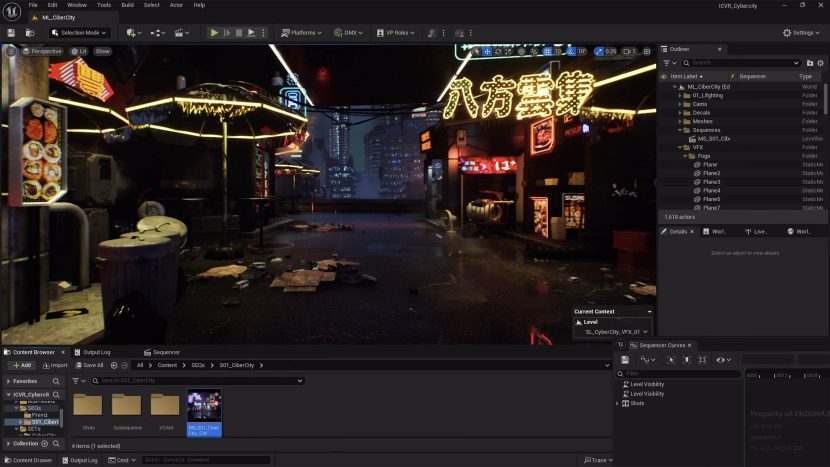
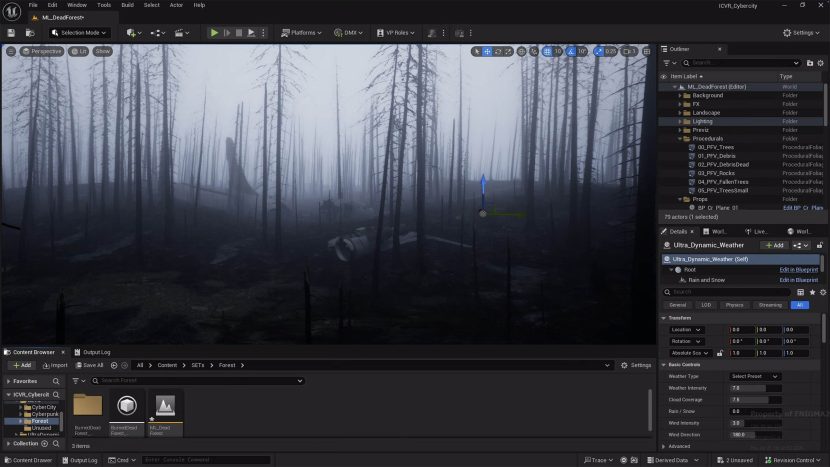
StEM3 is not a single test card; it is a comprehensive library of digital assets, including Unreal Engine 5 (UE5) scenes, 2D driving plates, and dedicated testing elements. These assets were donated by a coalition of industry leaders and cover a vast array of photographic challenges.
The library features diverse environments, ranging from interiors and exteriors to day/night cycles and various weather conditions. Specific examples include a Himalayan base camp, a subway station, an urban back alley, and a classic Western town. These are not merely decorative; they are functional, "heavy" assets designed to push the hardware to its limits.
Testing Capabilities
By loading these assets onto a volume, production teams can evaluate:
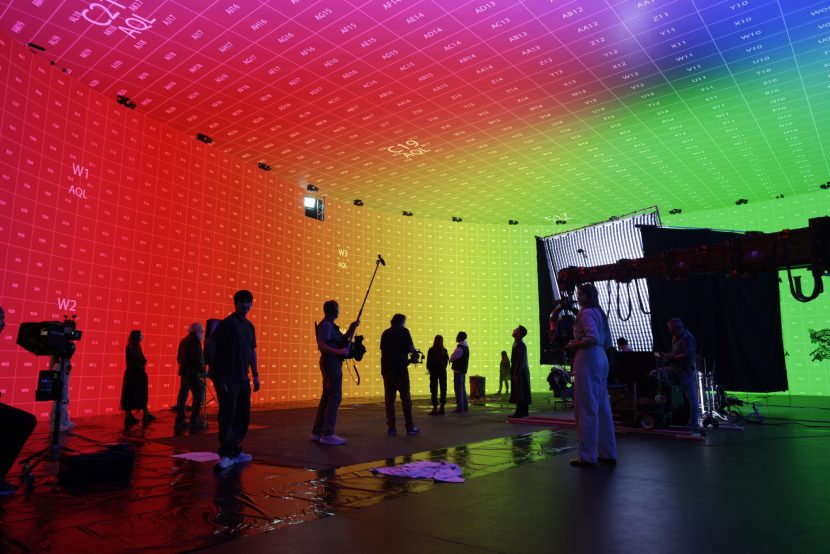
- Color Fidelity: Assessing how the LED wall’s color output translates through the camera’s specific sensor and color science.
- Dynamic Range: Verifying if the highlights and shadows on the wall are being captured with the intended latitude.
- Temporal Consistency: Checking for flickering, scan-line issues, or shutter-sync problems.
- Spatial Integrity: Ensuring that parallax and perspective in the virtual background align correctly with the camera’s tracked position.
These tests are particularly vital when a show moves between stages. Instead of relying on subjective descriptions—"I think the last stage was brighter"—cinematographers can load the same StEM3 scene at both facilities to obtain a direct, objective comparison.
Official Responses and Industry Collaboration
The release of StEM3 was made possible through a multi-industry partnership. Key contributors include Amazon Studios, Dolby, Epic Games, Sony, Walt Disney Studios, ETC, ICVR, MELS, Nant Studios, Pixomondo, ROE Visual, and V&Å Studios.
David Morin, Executive Director of the Academy Software Foundation and an ASC associate member, emphasizes that this project is essential to keeping the cinematographer’s vision at the center of the technological conversation. "Cinematographers do not need to become motion-imaging scientists," Morin explains. "However, they do need material that enables them to work effectively with the engineers, colorists, and VFX supervisors around them."
By packaging these assets under the ASWF Digital Assets License v1.1, the ASC and ASWF have ensured that these tools are available to anyone, from independent filmmakers to massive studio productions. This democratization of testing procedures is expected to significantly reduce the "trial and error" phase of virtual production, saving both time and budget.
Implications for Future Filmmaking: Moving Decisions Forward
Perhaps the most profound implication of StEM3 is its role in shifting decision-making forward in the production schedule. In traditional filmmaking, many visual choices are made in the final weeks of post-production. In virtual production, if the lighting on the LED volume is incorrect, the time to fix it is during prep.
The Rise of the Virtual Production Supervisor
The role of the Virtual Production Supervisor has become the bridge between the physical and the digital. StEM3 provides this role with a common language. When the Virtual Production Supervisor, the Cinematographer, and the VFX lead discuss a scene, they are no longer debating whether an image "feels" right; they are discussing the measured output of a standard reference.
The "Warped: CyberCity" Case Study
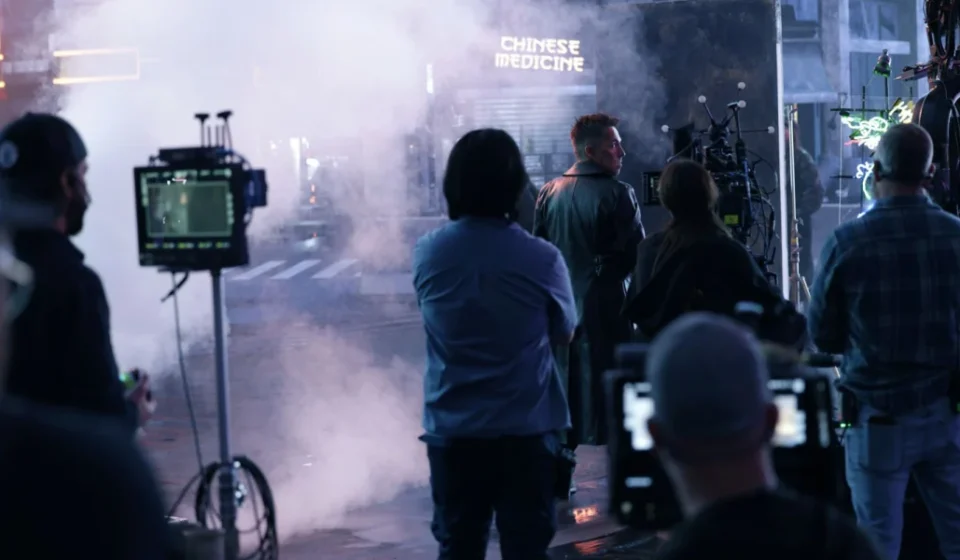
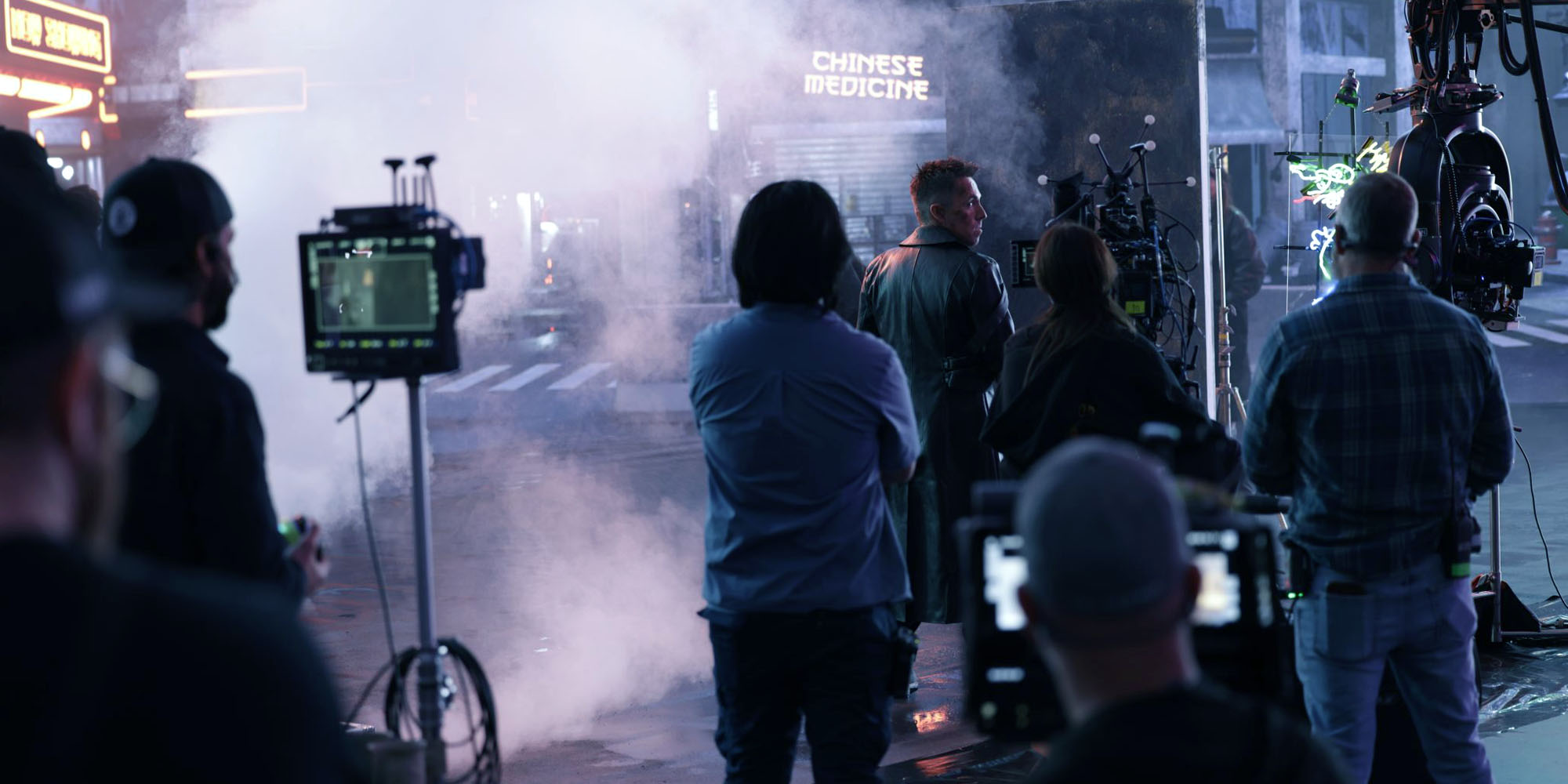
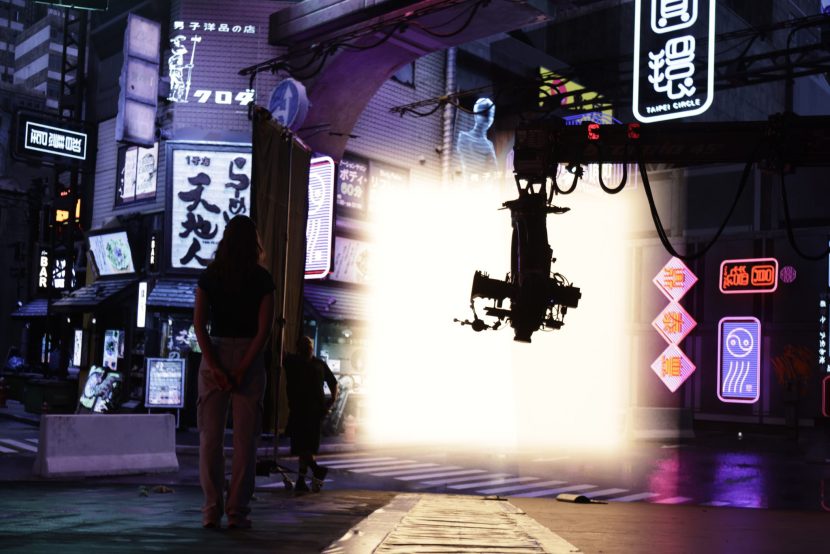
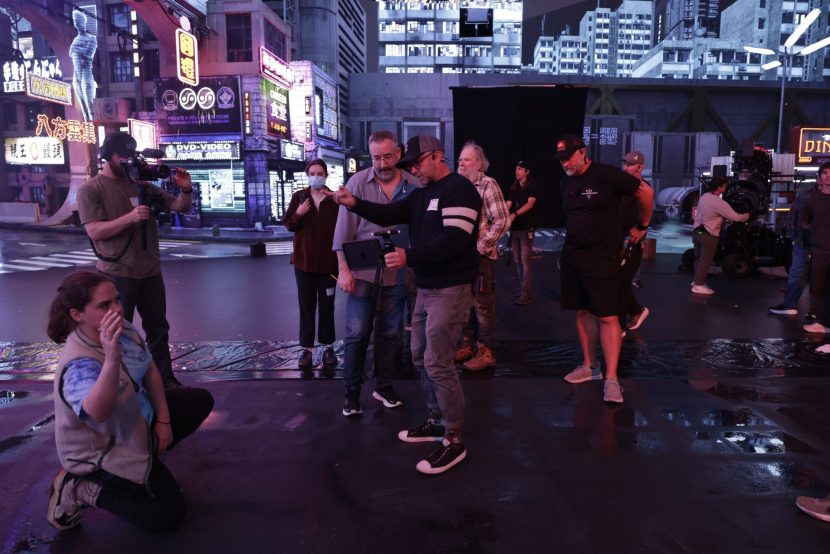
To prove the efficacy of the assets, the ASC produced a short film, Warped: CyberCity, photographed by David Klein, ASC, and directed by Jay Holben. The project serves as a "living" example of the StEM3 assets in action. By utilizing the CyberCity environment with real actors, props, and camera movement, the team demonstrated how the LED volume interacts with physical production design. It proves that when the technology is calibrated, the transition between the physical foreground and the virtual background becomes seamless.
Standardisation as a Catalyst for Creativity
There is a common fear in the creative industry that "standardization" equals "homogenization." The ASC maintains the opposite is true. By establishing a reliable, neutral baseline, filmmakers are empowered to experiment. If you know exactly how the camera renders the "neutral" StEM3 scene, you can make informed, deliberate choices to push the look toward warmer, cooler, or more stylized palettes with the confidence that the technology will respond as expected.
Conclusion: The Path Toward Final Pixels
Virtual production is inherently complex. It requires the convergence of disparate disciplines: color science, display engineering, real-time rendering, and traditional cinematography. This complexity is not a defect—it is the nature of the medium—but it should not be allowed to stifle the creative process.
StEM3 provides a practical, robust, and accessible framework to manage that complexity. It is an invitation to the global film community to load the material, look through the lens, establish the baseline, and then get back to the core mission of filmmaking: telling compelling stories. As the industry continues to integrate LED volumes into the standard toolset, tools like StEM3 will prove to be the "golden thread" that connects the digital and the physical, ensuring that the image on the screen is the image the filmmaker intended.
For those interested in adopting these standards, the assets are available now via the ASWF Digital Production Example Library, marking a new chapter in the digital evolution of the cinematographer’s craft.