
Twenty-five years ago, on September 7, 2001, audiences were invited to witness a bold, if misguided, reinvention of a literary classic. Peter Hyams’ The Musketeer arrived in theaters with the weight of high-concept ambition, promising a fusion of Alexandre Dumas’ 1844 swashbuckling epic and the high-octane, gravity-defying martial arts choreography that had captivated global audiences through films like The Matrix and Crouching Tiger, Hidden Dragon.
Instead of a cultural milestone, the film arrived as a cinematic relic of a bygone era, quickly swallowed by the tragic geopolitical events of September 11, 2001, and subsequently buried by a critical consensus that found it hollow, visually muddled, and tonally bizarre. Two and a half decades later, The Musketeer stands as a cautionary tale in the annals of Hollywood adaptation—a film that attempted to modernize a period piece through the lens of a trend, only to lose the soul of the story in the process.
The Genesis of an Unlikely Hybrid
To understand the failure of The Musketeer, one must look at the climate of early 2000s action cinema. The success of Hong Kong cinema’s infiltration into the Western mainstream was absolute. Studios were desperate to replicate the "wire-fu" aesthetic that had made Crouching Tiger, Hidden Dragon a critical darling and a box-office powerhouse.
The production team, led by director Peter Hyams—a veteran of sci-fi and thriller projects like Timecop and 2010—made the audacious decision to hire Xin-Xin Xiong, a legendary figure in the Hong Kong stunt community known for his collaborations with Tsui Hark. The marketing campaign was unequivocal: this would not be your grandfather’s Three Musketeers. It would be a relentless, kinetic, and stylized action spectacle.
However, the marriage of French 17th-century historical aesthetics and Eastern martial arts choreography created an immediate, jarring dissonance. The film was caught in a tug-of-war between its source material—which demanded political intrigue, wit, and romantic stakes—and its desire to be a non-stop action vehicle where the plot served only as a thin scaffold for gravity-defying acrobatics.
A Chronology of a Misguided Production
The development of the film was characterized by a desire to "break" the traditional costume drama mold. Justin Chambers, a burgeoning talent and former model, was cast as d’Artagnan. It was a clear bid to position him as a breakout action lead, a gamble that ultimately didn’t pay off for the film, though Chambers would eventually find his footing as a television icon on Grey’s Anatomy.
- Pre-Production (Late 1999 – 2000): The script deviates significantly from the Dumas novel. The character of Milady, the quintessential antagonist, is excised entirely, replaced by the "Man in Black," a generic, brooding villain archetype played by Tim Roth.
- Production (Early 2001): Filming takes place with an international cast, including Stephen Rea as Cardinal Richelieu and Catherine Deneuve as the Queen. The production focuses heavily on complex wire work, a novelty for Western actors at the time.
- The Release (September 7, 2001): The film opens to tepid anticipation. Critics are largely confused by the creative choices.
- The Turning Point (September 11, 2001): The world changes overnight. Any chance of The Musketeer finding a post-release "word-of-mouth" life is obliterated by the global trauma of the September 11 terrorist attacks. The film effectively vanishes from the cultural consciousness within weeks.
Supporting Data and Creative Choices
The narrative structure of The Musketeer remains its most baffling component. By shifting the central motivation of d’Artagnan from a quest for glory and membership in the King’s Guard to a generic revenge plot against the man who killed his parents, the film stripped away the nuance of the original text.
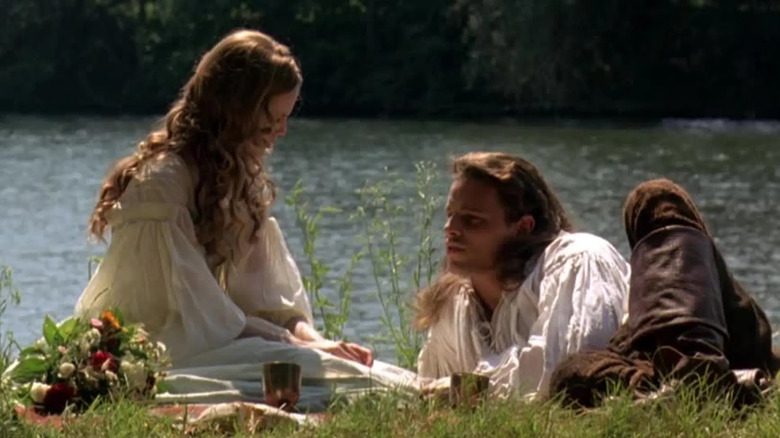
Furthermore, the romantic arc was fundamentally altered. In Dumas’ work, the romance between d’Artagnan and Constance Bonacieux is central to the intrigue. The Musketeer replaced this with a relationship between the protagonist and Francesca (Mena Suvari), a character who served more as a damsel-in-distress trope than a fully realized partner in the narrative.
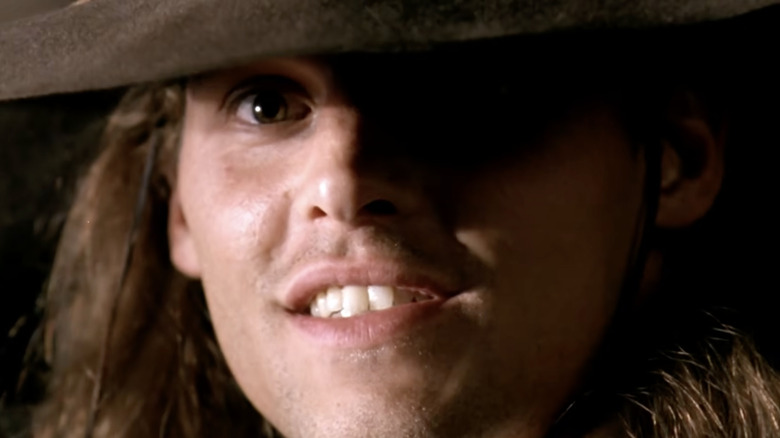
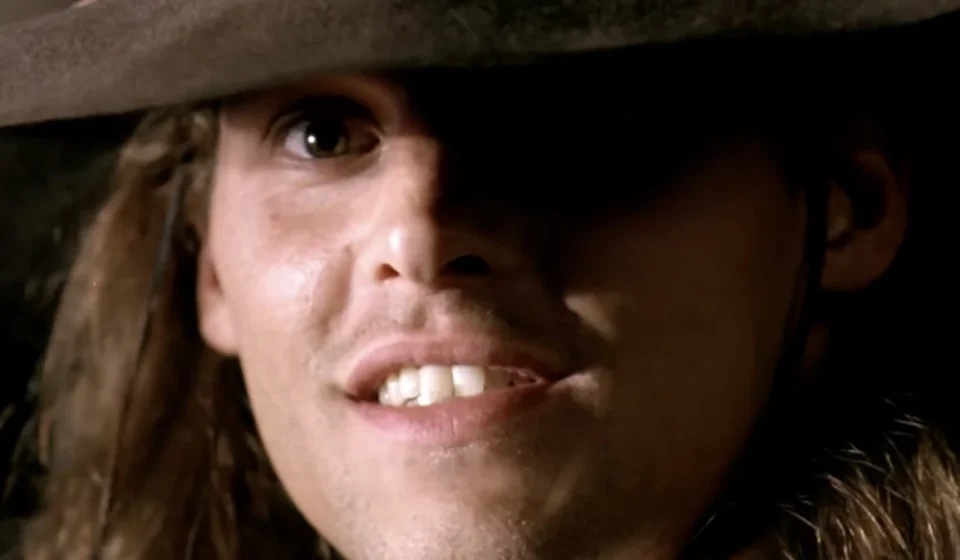
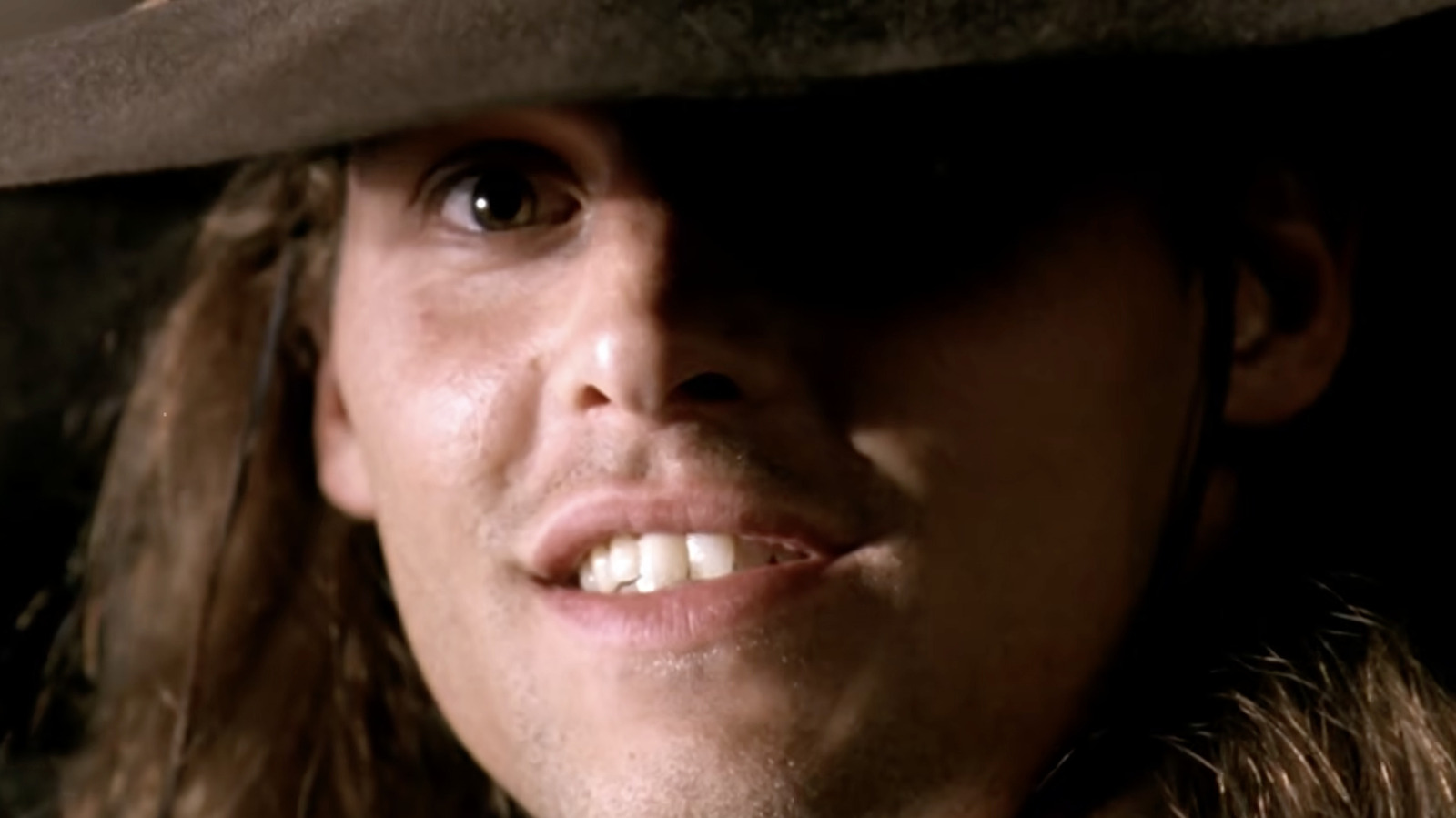
The film’s visual language was also a point of contention. While some critics acknowledged the technical proficiency of the stunt work, the cinematography was frequently described as "shadowy" and "indistinct." Many sequences, intended to be breathtaking displays of agility, were rendered unwatchable by poor lighting and erratic editing, defeating the purpose of hiring a world-class choreographer like Xiong.
Critical Reception: A Thumbs-Down Legacy
The critical response to The Musketeer was, to put it mildly, hostile. Roger Ebert’s review serves as the definitive take on the film’s status. Awarding it two-and-a-half stars, Ebert famously noted that the film’s primary function was to "hang action sequences" on a frame. He pointed to the now-infamous barrel sequence—where d’Artagnan fights while balancing on rolling barrels—as a microcosm of the film’s ethos: it was technically challenging, physically impressive, but entirely detached from the logic of the story.
Other critics were less forgiving. Rotten Tomatoes reflects a consensus of a film that was "all style, no substance," with many reviewers noting that the wire work felt borrowed and out of place in the muddy, dark aesthetic of 17th-century France. The blend of genres, which the studio hoped would be seen as "fresh," was instead viewed as a "confused mess."
Implications and Historical Context
The failure of The Musketeer offers several lessons regarding the pitfalls of "trend-chasing" in Hollywood.
- The Perils of Stylistic Mismatch: The film demonstrated that adding high-octane action to a classic story is not a substitute for character development or narrative integrity. Audiences may come for the spectacle, but they stay for the stakes.
- The Impact of External Timing: The film serves as a historical case study for how major global events can irrevocably alter the trajectory of a piece of media. Had the film been a masterpiece, it might have recovered; because it was mediocre, the tragic context of September 2001 ensured it was forgotten entirely.
- The Evolution of Adaptations: The failure of The Musketeer likely influenced how studios approached subsequent literary adaptations. It underscored the importance of maintaining the spirit of the source material while attempting to modernize its presentation.
A Final Verdict: Why It Matters
Twenty-five years later, The Musketeer is rarely discussed unless it is being cited on "Worst Of" lists or used as an example of early-2000s experimental folly. It remains a strange, dimly lit artifact of a studio system that was trying to figure out how to transition into a new era of globalized action cinema.
While it failed to launch Justin Chambers into the stratosphere of film stardom and failed to revitalize Alexandre Dumas for a new generation, it remains a testament to the risks of adaptation. The Musketeer did not destroy the legacy of the Three Musketeers—the story is far too resilient for that—but it did leave a significant mark on the history of the "failed blockbuster."
For film historians and audiences alike, the film serves as a reminder: no amount of wire work, no matter how skilled the choreography, can compensate for a script that lacks the heart and soul of its source. As we look back at the cinematic landscape of 2001, The Musketeer stands not as an action classic, but as a footnote—a reminder of a time when Hollywood thought that adding a few flips and a wire harness was all it took to make history feel new again.