The Magic of Recasting: Why ‘Practical Magic 2’ Is Starting Fresh with the Owens Lineage

For nearly three decades, the Owens family has held a unique place in the cultural zeitgeist. Since the 1998 release of Practical Magic, fans have been enchanted by the story of sisters Sally and Gillian, who struggle to balance their ancestral witching heritage with the demands of everyday life. The film, which became a cornerstone of 90s cinema, is defined by its iconic mantra: "Always throw spilled salt over your left shoulder, keep rosemary by your garden gate, plant lavender for luck, and fall in love whenever you can."
With the highly anticipated arrival of Practical Magic 2 on the horizon, scheduled for a September 11, 2026, release, excitement is at a fever pitch. However, that excitement is tempered by a lingering question among the film’s dedicated fanbase: Why, in a sequel that sees the return of stars Sandra Bullock and Nicole Kidman, along with veteran actresses Stockard Channing and Dianne Wiest, were the actors playing the next generation of Owens women replaced?
The Core Conflict: A Legacy Sequel Reimagined
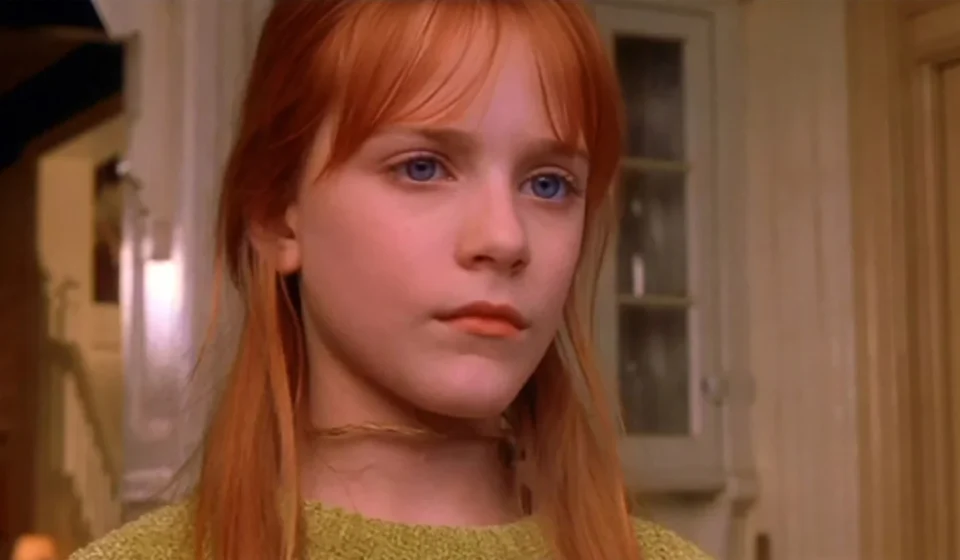
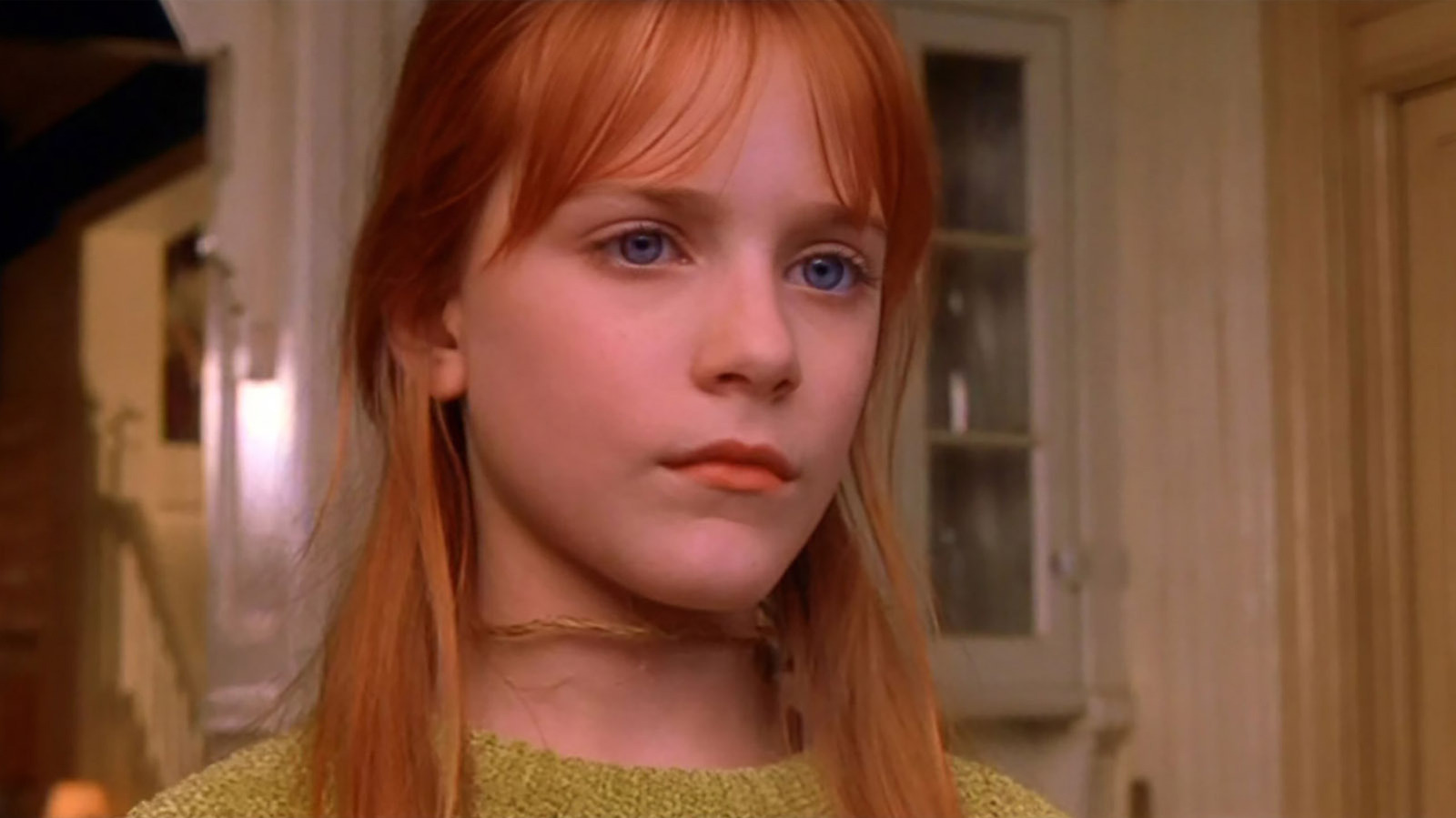
The original Practical Magic introduced audiences to Kylie and Antonia, the daughters of Sally Owens. In the 1998 film, these roles were portrayed by Evan Rachel Wood and Alexandra Artrip, respectively. As the sequel moves into production, many fans assumed a direct continuation of these characters would necessitate the return of the original actresses—particularly Wood, who has remained a powerhouse in the industry.
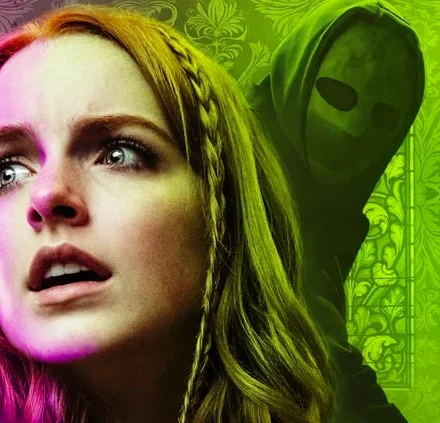
Instead, the production team has cast Joey King to portray an older Kylie and Maisie Williams to step into the role of Antonia. Given that the film is set 25 years after the events of the original, a quick calculation suggests that the characters should realistically be in their late 30s. The decision to cast actors in their late 20s to play characters who, by the math of the timeline, should be older, has prompted significant debate. Yet, according to director Susanne Bier, the decision was not a result of industry friction or a lack of respect for the original performances, but rather a deliberate narrative choice.
Chronology and Narrative Necessity: The "Age-Down" Strategy
To understand the casting shift, one must look at the specific creative direction of the upcoming sequel. While Practical Magic 2 is technically a legacy sequel—meaning it exists in the same universe as the original and features the return of the central stars—it is not a strict chronological follow-up in terms of its character arcs.
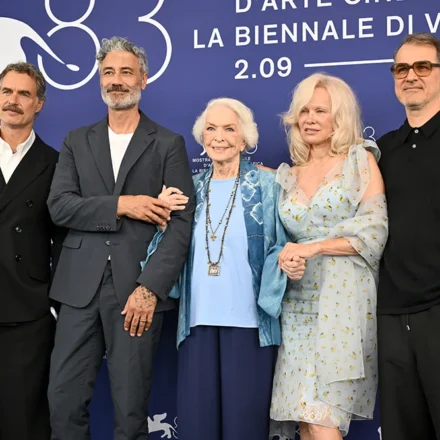
Director Susanne Bier has clarified that the sequel requires a specific demographic for the younger Owens women to drive the plot forward. In a red carpet interview with Variety, Bier addressed the confusion head-on. "It was not a personal thing," she stated. "The kids in the story are right out of college, so it wasn’t really a question. We had to recast."
By "aging down" the characters of Kylie and Antonia to reflect the post-collegiate experience, the production is effectively resetting the coming-of-age arc that defined the first film. In the 1998 movie, the focus was on the internal battle of the sisters against their family curse and their attempts to suppress their magical identity. By positioning the new generation as recent college graduates, the sequel aims to explore the transition from young adulthood to the discovery of one’s power—a structural mirror to the journey their mothers took in the original film.
Creative Liberties and the Source Material
The screenplay for Practical Magic 2 is loosely inspired by Alice Hoffman’s 2021 novel, The Book of Magic. Hoffman, who authored the original Practical Magic novel, has expanded the Owens lore significantly over the years. However, fans familiar with the literary source material have noted that the film’s timeline does not align perfectly with the books.
Evan Rachel Wood herself has weighed in on the divergence between the page and the screen. In a recent interview with Entertainment Tonight, Wood noted, "I read the book, and it seems like they’re not following the book. I think, in the book, it would have made sense to bring me back. I think in the way they’re approaching it, the way they’re doing it, it didn’t make sense."
This admission highlights a common tension in Hollywood adaptations: the conflict between staying faithful to the source material and serving the specific vision of a film’s director. By opting for a "reimagined" timeline where the daughters are younger, the filmmakers are prioritizing the specific thematic beats of the new script over the continuity established in Hoffman’s later novels.
The Professionalism of Transition: Wood and King
Despite the disappointment expressed by segments of the fanbase, the transition has been handled with a notable level of professionalism and mutual respect. The film industry is often rife with stories of recasting that lead to public feuds or hurt feelings, but this instance appears to be the exception.
Joey King, who is stepping into the role of Kylie, has been vocal about her admiration for Wood. In a statement to The Hollywood Reporter, King revealed that she reached out to Wood personally. "I had a lovely conversation [with her]," King shared. "I just was so appreciative of the support that she showed to me and to the rest of the cast. She is so talented and so beautiful, and she made this role so special when she was a young girl."
This exchange serves as a bridge between the past and the future of the franchise. By acknowledging Wood’s foundational work, King is positioning her performance not as a replacement, but as a continuation of the character’s spirit, even if the biological age of the character on screen is different.
Implications for the Owens Franchise
The decision to recast raises larger questions about the future of the Practical Magic franchise. If Practical Magic 2 succeeds, it establishes a blueprint for how legacy sequels can function in the modern era: by maintaining the "heart" of the original cast (Bullock and Kidman) while refreshing the supporting cast to attract new, younger demographics.
However, it also presents a risk. Cult hits are defined by the audience’s emotional attachment to the specific faces and performances that first drew them in. By diverging from the established timeline and replacing key figures, the production risks alienating purists who value continuity above all else.
Conversely, if the film manages to capture the same whimsical, bittersweet aesthetic of the 1998 original, the casting of King and Williams might be seen as a masterstroke. The film’s success will likely hinge on whether the chemistry between the "new" daughters and the "returning" mothers feels authentic. If the audience buys into the new dynamic, the narrative choice to age down the characters will be vindicated as a necessary evolution of the story.
Looking Toward 2026
As production continues, the focus shifts from the controversy of the recasting to the potential of the story itself. The world has changed significantly since 1998. The ways in which we discuss magic, femininity, and family trauma have evolved, and Practical Magic 2 has the opportunity to reflect those changes through a new lens.
Whether the "college-aged" daughters will bring the same depth to the Owens family legacy that Wood brought in the late 90s remains to be seen. What is clear, however, is that the filmmakers are committed to a specific vision—one that requires a fresh start for the next generation of witches.
Fans who were hoping for a reunion of the entire original cast may find themselves disappointed, but the project remains a high-profile endeavor that clearly respects the legacy of the original. As we count down the days until the September 11, 2026, premiere, the conversation will likely shift from who is playing the roles to how they inhabit the magical world that so many have grown to love. Ultimately, the success of the film will depend on whether it can prove that, like the magic in the Owens garden, the story is capable of blooming anew, regardless of the hands tending to it.