
In the high-stakes world of modern blockbuster filmmaking, the barrier between the physical set and the digital realm is eroding. As visual effects (VFX) move toward increasingly photorealistic and data-heavy environments, the infrastructure required to capture reality has become as vital as the rendering software itself. Enter Clear Angle Studios, a name that has transitioned from a specialized service provider to a cornerstone of the global VFX production pipeline.
In a recent fxpodcast episode, Jamie Hearing, Digital Effects Supervisor at Clear Angle Studios, provided an in-depth look at how the company is moving beyond simple geometric scanning to become a vital bridge between physical performance and neural-driven visual imagery.
The Evolution of Capture: From Static Meshes to Neural Landscapes
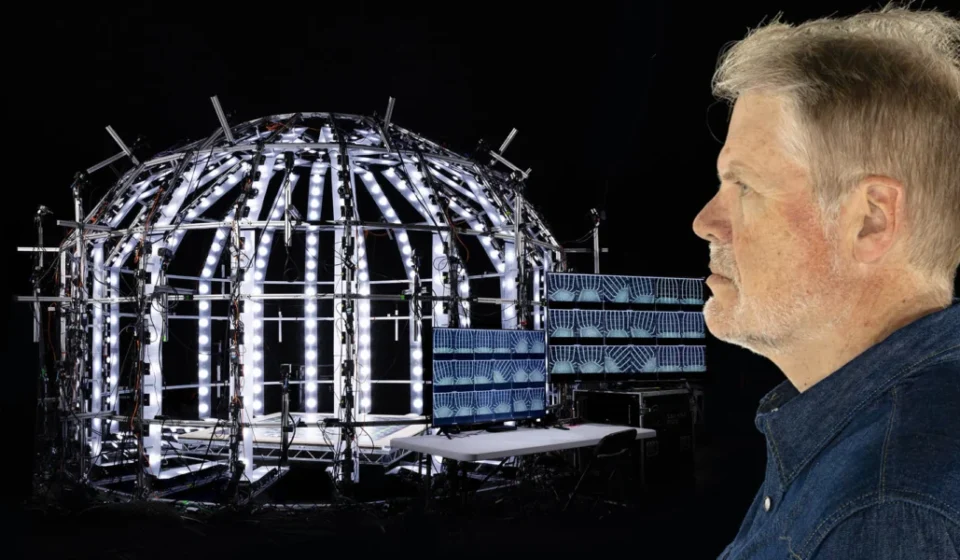
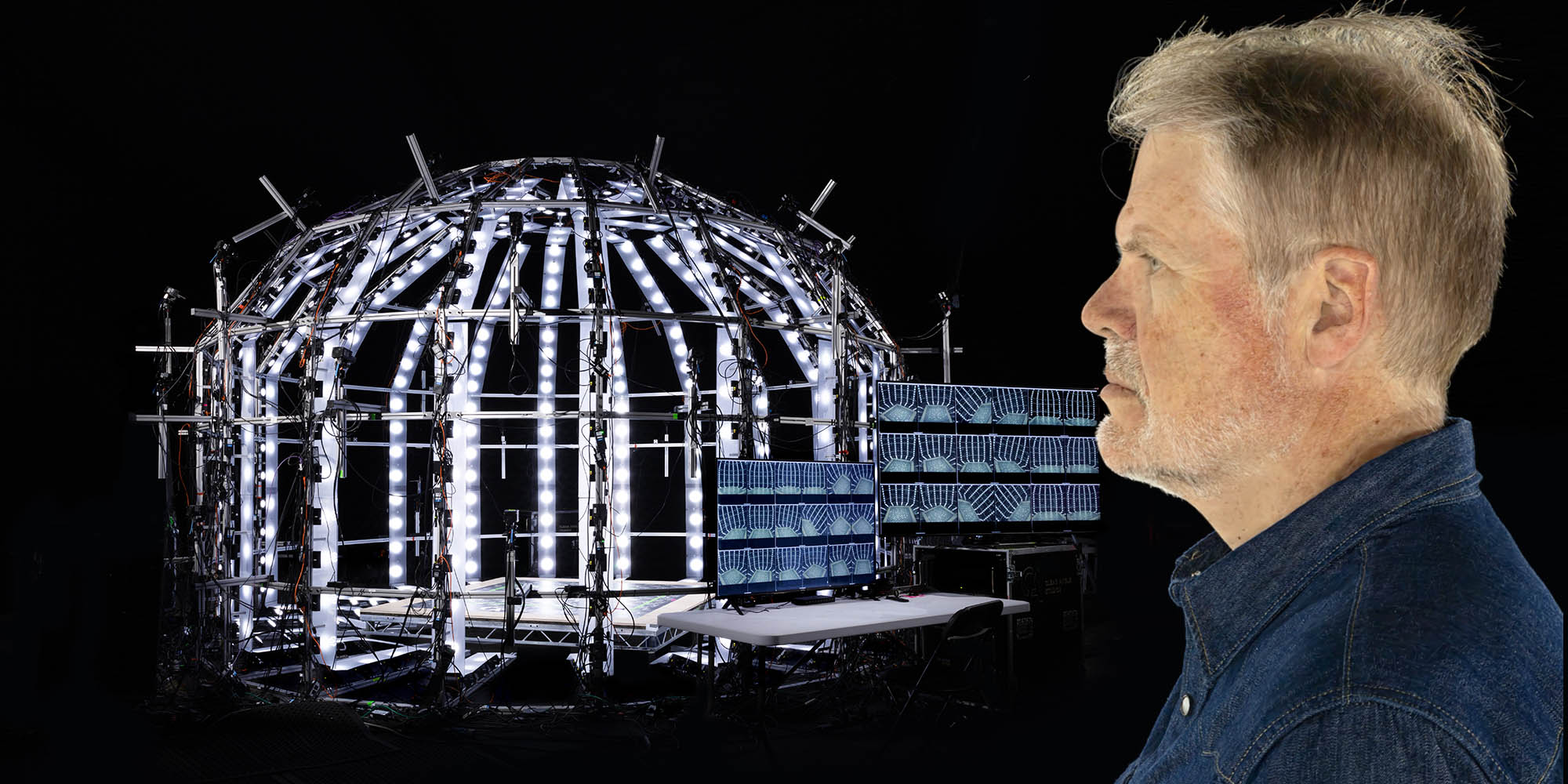
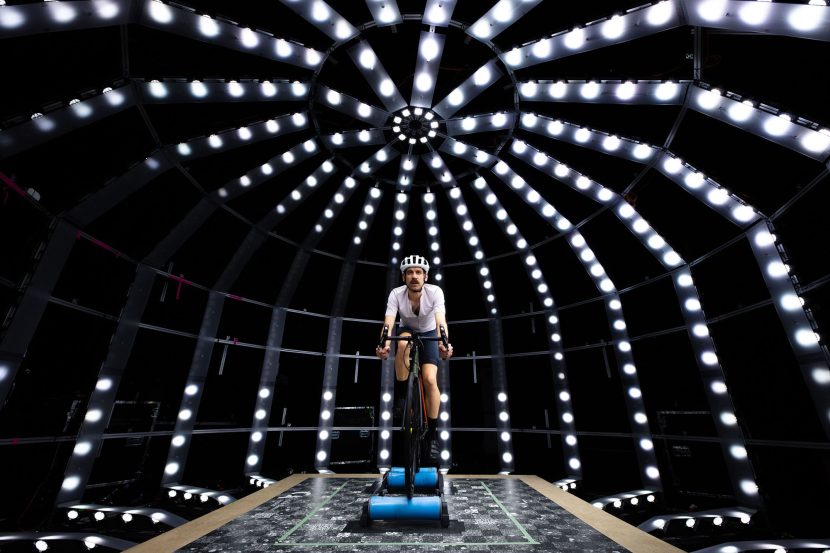
Clear Angle’s growth trajectory reflects the changing needs of the industry. Initially known for high-fidelity 3D scanning, the company now operates a global network of 18 full-body scanning rigs. These systems, utilizing 24-camera arrays and precision LED lighting, allow productions to capture static human poses with near-perfect geometric and textural fidelity.
However, the current conversation in VFX has shifted toward capturing the essence of movement and complex light interactions—areas where traditional mesh-based geometry often falls short.
Embracing Gaussian Splatting and Radiance Fields
One of the most significant pivots Jamie Hearing discussed is the adoption of neural rendering techniques, specifically Gaussian splatting and radiance fields. For years, the industry relied on "cleaning up" meshes, a labor-intensive process that often resulted in the loss of subtle details.
Neural rendering changes this paradigm by reproducing what the cameras actually saw rather than forcing the data into a rigid, traditional CG structure. This approach is proving revolutionary for capturing:
- Hair and Fine Fibers: Historically the "Achilles’ heel" of digital doubles.
- Complex Reflections: Materials that react dynamically to light.
- Transparency: Objects that depth-based scanners often struggle to interpret accurately.
By utilizing these technologies, Clear Angle is enabling studios to bypass the "uncanny valley" by leveraging the raw visual intelligence captured directly from the source.
The VCR and the Future of Volumetric Capture
At the heart of the company’s technological evolution is the VCR (Volumetric Capture Rig). This modular, high-performance system employs 40 machine-vision cameras equipped with high-sensitivity Sony sensors. Designed for high frame-rate capture, the VCR can record full characters or entire groups in a synchronized, lighting-controlled environment.
A Legacy of Innovation
The VCR is not an isolated development; it is the culmination of years of iterative engineering, building upon the company’s "Dorothy" head-capture rig. The Dorothy rig was originally conceived for high-end facial scanning and FACS (Facial Action Coding System) poses. By scaling the philosophy behind the Dorothy rig into the expansive, high-throughput VCR, Clear Angle has successfully bridged the gap between single-actor performance capture and full-scale volumetric scene acquisition.
Facial Fidelity: The DI4D Integration
A pivotal moment in the company’s recent history is the integration of DI4D technology into their existing workflow. Human facial movement is notoriously non-linear—it is a complex dance of skin, muscle, and sub-dermal fat that is difficult to replicate with traditional keyframe animation alone.
The implementation of DI4D’s 4D capture and "TopoTrack" technology allows Clear Angle to provide consistent topology and texture correspondence over time. This is not merely a convenience for animators; it provides a "source of truth." When VFX vendors have access to 4D data that maps exactly how a performer’s skin folds and stretches during a specific expression, the resulting digital double achieves a level of organic realism that was previously considered unattainable.
Scaling the Scope: From Iceland to Global Environments
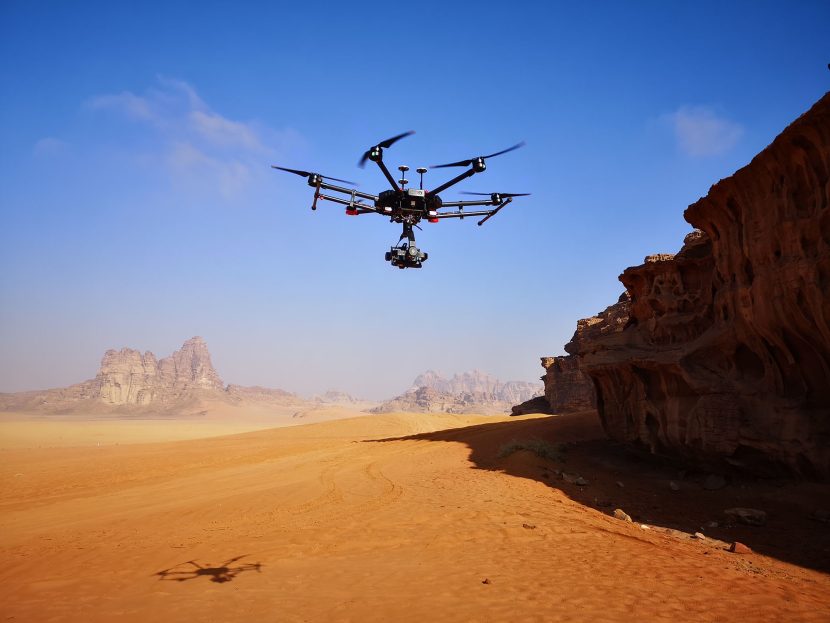
While character capture is the headline, Clear Angle’s environment work illustrates the logistical scale of their operations. Recent expeditions—most notably in the rugged landscapes of Iceland—demonstrate the company’s multi-layered approach to environmental data acquisition.
By synthesizing LiDAR, aerial drone photography, and traditional photogrammetry, the team captures data at every scale. From the macro texture of a rock face to the vast, sweeping panoramas required for establishing shots, the goal remains the same: to provide "downstream" VFX teams with enough metadata and raw sensor fidelity to make informed creative decisions during the post-production phase.
The challenge here is not volume; it is context. Providing a massive point cloud is useless if it lacks the necessary metadata to be useful in a compositing or lighting environment. Clear Angle’s expertise lies in curating this data so that it is production-ready the moment it leaves the field.
The New Frontier: Training Data for Machine Learning
As the VFX industry integrates machine learning (ML) and generative AI into the creative pipeline, the demand for high-quality, controlled "ground truth" data has skyrocketed.
Jamie Hearing points out that scanning is increasingly shifting from being a way to produce a final asset to becoming a foundational requirement for AI training. When an ML model is tasked with predicting how a character’s face should move or how light should interact with a surface, it requires thousands of samples of perfectly captured, labeled data. Clear Angle’s ability to generate this high-fidelity data makes them an essential partner for companies looking to refine the "final 10 or 20 percent" of a visual effect—the difference between a "good" digital asset and a photorealistic one.
Professional Insights: A Foundation in Craft
Jamie Hearing’s own journey—from his academic roots at Bournemouth University to character work at industry titan DNEG, and finally into on-set supervision—mirrors the multidisciplinary nature of the company.
"Clear Angle isn’t just a scanning company," Hearing notes. This sentiment is echoed across the production community. The company serves as a vital nexus between the physical world—where actors perform and cameras roll—and the digital world, where that data is synthesized, cleaned, and rendered into the final frames audiences see on screen.
The Implications for the Industry
The implications of Clear Angle’s work are profound. As we move toward a future where real-time rendering and neural-assisted imagery become the standard, the quality of the "input" becomes the limiting factor for the "output."
- Reduced Post-Production Time: By providing more accurate data upfront, studios can reduce the time spent on "fix-it" tasks in post-production.
- Increased Realism: The shift toward radiance fields and 4D capture reduces the human error inherent in manual asset creation.
- Cross-Platform Flexibility: The same data captured for a feature film can now be repurposed for high-end gaming or interactive digital experiences, thanks to the standardized, high-fidelity nature of the capture.
In conclusion, Clear Angle Studios has successfully positioned itself as the silent engine room of the modern film industry. By continuously refining their hardware, embracing the chaotic potential of machine learning, and maintaining a deep respect for the nuances of human performance, they are ensuring that the digital world stays tethered to the reality it seeks to emulate. As the line between the virtual and the physical continues to blur, companies like Clear Angle will not just be capturing images; they will be defining the new standard of visual truth.