Disney Partners with Dhar Mann Studios: A Strategic Pivot Toward Creator-Driven Ecosystems

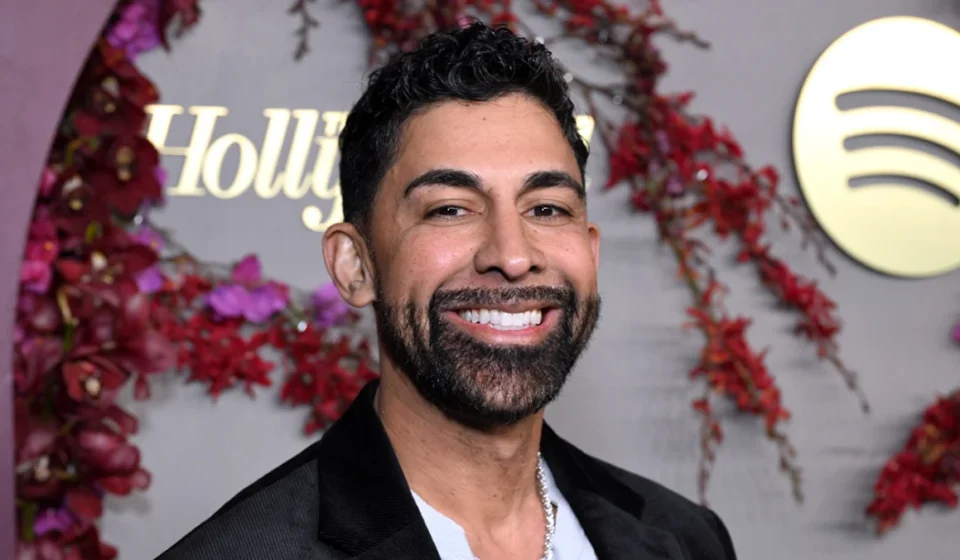
In a move that signals a seismic shift in how legacy media giants approach digital-native talent, The Walt Disney Company has officially entered into a high-profile partnership with Dhar Mann Studios. The collaboration will see the prolific digital creator and his team produce 20 episodes of original content for the House of Mouse. This alliance underscores Disney’s aggressive strategy to transform its streaming footprint into a comprehensive membership ecosystem, blending high-production-value traditional media with the rapid, audience-centric engagement models favored by modern creators.
Main Facts: The Scope of the Collaboration
The partnership between Disney and Dhar Mann Studios is designed to tap into the latter’s massive digital footprint. While specific details regarding the narrative themes, visual formats, or distribution channels for these 20 episodes remain under wraps, the deal represents a significant milestone for Disney’s content diversification strategy.
Dhar Mann, whose namesake studio has become synonymous with moral-driven, short-form narrative dramas on YouTube and social media, brings a massive audience to the table. With 170 million followers globally and an average of 300 million views per week, Mann’s influence is undeniable. By leveraging this reach, Disney is looking to bolster its "Verts" initiative—the company’s short-form, vertical video product launched on Disney+ earlier this year. The integration of Mann’s unique storytelling style into the Disney ecosystem is intended to bridge the gap between legacy brand loyalty and the hyper-engaged, mobile-first habits of Gen Z and Gen Alpha audiences.
Chronology: A Timeline of Digital Integration
Disney’s journey toward embracing creator-led content has been methodical, accelerating significantly over the past twelve months as the company seeks to revitalize its streaming platforms.
- Early 2024: Disney begins outlining a more aggressive integration strategy for Disney+, moving beyond traditional long-form series and films to incorporate a "comprehensive membership ecosystem."
- March 2024: The company officially launches "Verts," a short-form, vertical video initiative on Disney+, signaling its intent to capture the attention of audiences accustomed to the TikTok and Instagram Reels experience. At the time of the launch, executives hinted that the platform would soon open its doors to outside creators.
- Early 2024 (Simultaneous Developments): Dhar Mann Studios secures a landmark deal with Fox Entertainment for 40 narrative-driven vertical videos, showcasing the surging demand for studio-quality digital content that feels authentic to social media users.
- Late 2024 (Present): Disney announces its partnership with TikTok, a cross-platform integration allowing fan-generated content to bridge the gap between the two giants.
- The Current Moment: The formal announcement of the 20-episode deal with Dhar Mann Studios, solidifying Disney’s intent to move from mere platform hosting to active collaboration with digital-native creators.
Supporting Data: The Power of the Creator Economy
To understand why Disney—an entity built on animation and cinematic spectacle—would seek out a creator known for low-fi moral dramas, one must look at the data. Dhar Mann Studios is a digital juggernaut. Their formula—short, punchy narratives that resolve with a "lesson learned"—has proven to be one of the most consistent engagement drivers in the history of the creator economy.
- Global Reach: 170 million followers across major social media platforms.
- Engagement Velocity: Nearly 300 million views per week, a frequency of consumption that even the most popular long-form TV shows struggle to replicate.
- Industry Trends: The recent deal between Fox Entertainment and Dhar Mann for 40 narrative-driven vertical videos highlights a broader industry shift. Traditional studios are increasingly viewing "micro-dramas" not as a competitor, but as a vital acquisition channel. The data suggests that younger viewers are increasingly turning to TikTok and YouTube as their primary entertainment discovery engines; by partnering with the creators who dominate those spaces, Disney is essentially "buying" entry into that funnel.
Official Responses: Aligning the Vision
The announcement was met with enthusiasm from both parties, with executives emphasizing a shared commitment to storytelling.
Asad Ayaz, chief marketing and brand officer at The Walt Disney Company, and Debra OConnell, chairman of Disney Entertainment Television, issued a joint statement highlighting the synergy between the two brands. "Dhar has built a distinctive voice and an enormous global following, with stories that are uniquely his own," they noted. "He and his team have forged an extraordinary connection with their audience, and we believe their optimistic, deeply relatable storytelling will connect in a meaningful way with Disney fans."
For his part, Dhar Mann framed the deal as a professional homecoming. "For me, this is so much bigger than a content deal," Mann said. "I grew up with Disney stories. Now I get to experience that same magic through the eyes of my own family, and the idea that we now have the opportunity to create stories for Disney for the next generation is incredibly meaningful to me."
Implications: The Future of Disney+ as an Ecosystem
The implications of this partnership are vast, both for Disney as a corporate entity and for the future of the entertainment industry at large.
1. From "Library" to "Ecosystem"
Disney is moving away from the idea that Disney+ is merely a library of legacy content. By integrating Hulu, launching Verts, and inviting external creators like Dhar Mann, the company is building a "membership ecosystem." This is a defensive and offensive play designed to keep users within the Disney app longer. If a user can watch a 60-second moral drama from Dhar Mann, then transition to a classic Disney film, the perceived value of the subscription increases.
2. The Normalization of Vertical Content
Historically, vertical video was seen as the domain of amateur creators. However, the involvement of major studios like Disney and Fox suggests that vertical content is now a tier-one medium. Disney’s willingness to experiment with this format suggests they are preparing for a future where the distinction between "TV content" and "social media content" is effectively erased.
3. Mitigating the "Creator-Legacy" Cultural Clash
A significant challenge remains: can Dhar Mann’s specific brand of "micro-drama" coexist with the polished, premium aesthetic of Disney? The success of this deal will depend on whether Disney allows Mann to maintain his authentic voice. If the content feels too "corporate," it may alienate the very audience Disney is trying to attract. If it feels too raw, it may clash with the Disney brand image. The ability of both parties to balance these interests will serve as a case study for future studio-creator partnerships.
4. A New Model for Talent Acquisition
For decades, talent acquisition in Hollywood meant signing directors or actors to multi-picture deals. Now, talent acquisition means signing "channels." By partnering with Dhar Mann, Disney is effectively licensing a proven algorithm for audience engagement. If this partnership yields high engagement metrics, it is highly probable that other digital creators will be invited into the fold, potentially turning Disney+ into a curated hub for the world’s most successful internet creators.
Conclusion
The partnership between The Walt Disney Company and Dhar Mann Studios is a watershed moment in the evolution of media. It confirms that in the current landscape, the barrier between traditional film studios and digital-native creators has effectively collapsed. By marrying Disney’s century-old prestige with the viral efficacy of the creator economy, Disney is positioning itself to capture the next generation of entertainment consumers. Whether this 20-episode pilot project will serve as a template for a permanent transformation of Disney+ remains to be seen, but the intent is clear: the House of Mouse is no longer content to just tell its own stories—it wants to own the ecosystem where all stories are told.