Beyond the Stars: Why Danny Boyle’s ‘Sunshine’ Is the Essential Sci-Fi Masterpiece You Overlooked

While modern cinema has been dominated by the grand, optimistic cosmic odysseys of Christopher Nolan’s Interstellar and the grit-and-grit problem-solving of Ridley Scott’s The Martian, a quieter, more harrowing entry in the sci-fi pantheon continues to haunt those who have dared to watch it. Released in 2007, Danny Boyle’s Sunshine stands as a blistering, genre-defying anomaly. It is not merely a space movie; it is a psychological descent into the heart of madness, a visual poem, and a cold, hard look at human frailty in the face of an uncaring universe.
The Premise: A Dying Light and a Desperate Mission
The narrative of Sunshine is deceptively simple, echoing the structural foundations of classic sci-fi literature. In the year 2057, the Earth is spiraling into a permanent, frozen winter as the Sun begins to die. Humanity’s last, desperate hope rests with the Icarus II, a state-of-the-art spacecraft carrying a massive stellar bomb. The mission: to reignite the Sun and save the planet from total extinction.
The crew of eight—a motley collection of scientists, engineers, and pilots—is humanity’s final hope. But as they approach the massive, blinding gold orb that serves as both their destination and their executioner, the mission begins to unravel. The discovery of a distress beacon from the Icarus I—a ship that vanished seven years prior on the same mission—forces the crew to make a life-altering decision. Should they stay the course, or attempt a rescue that could compromise their own survival? This pivot point shifts the film from a procedural space mission into something far more visceral and terrifying.
A Chronology of Artistic Ambition
The gestation of Sunshine began long before its 2007 release, rooted in the creative synergy between director Danny Boyle and screenwriter Alex Garland. Having previously subverted the zombie genre with the adrenaline-fueled 28 Days Later, the duo sought to tackle the "Big Sci-Fi" epic.
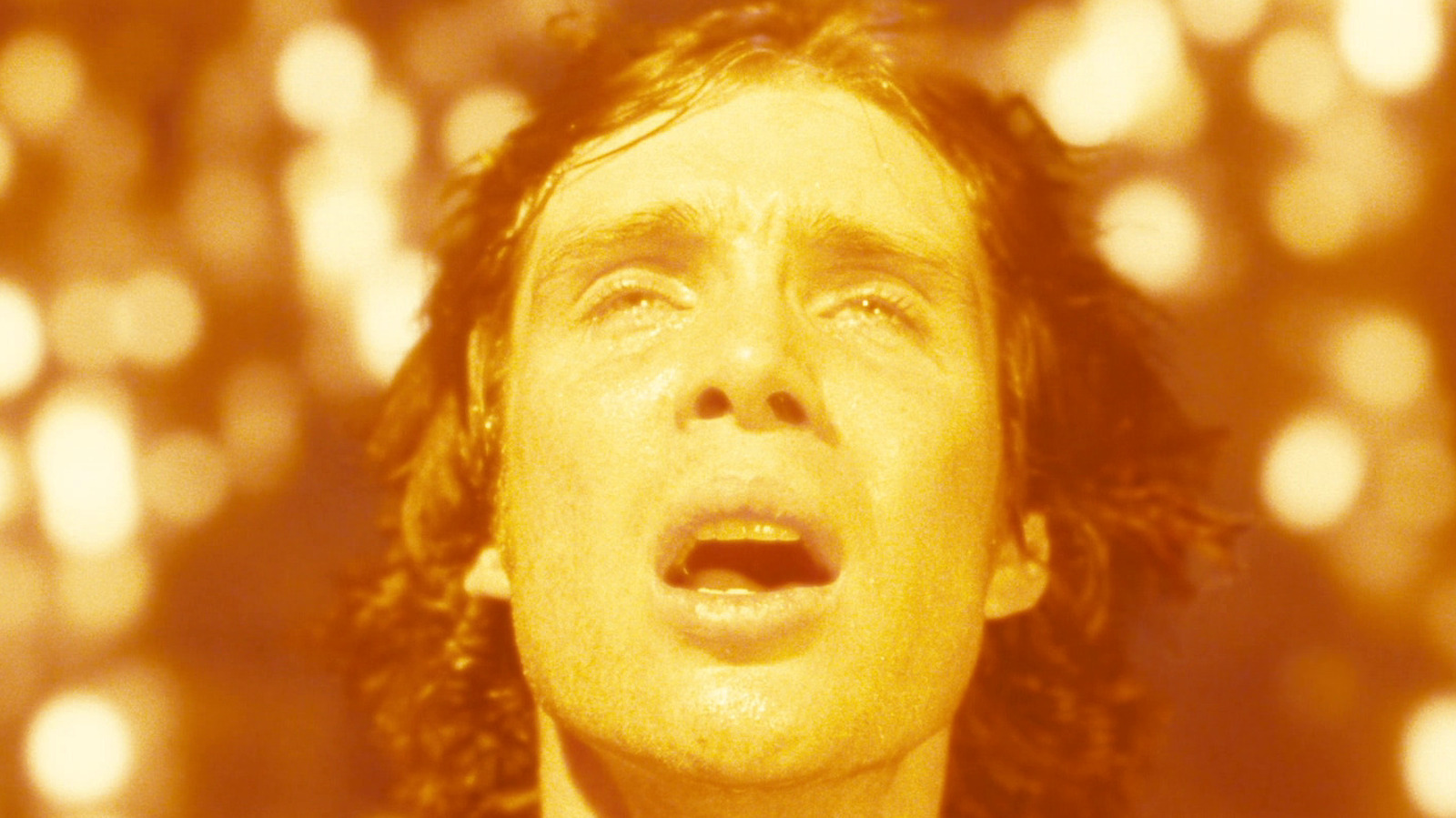
- 2003–2005 (Development): Garland drafted a script designed to challenge the norms of the genre. Eschewing the typical "aliens-on-a-ship" trope, he focused on the internal psychological toll of isolation.
- 2006 (Production): Filming took place in London, utilizing practical effects and immersive lighting to simulate the overwhelming radiance of the Sun. The cast was deliberately chosen for their burgeoning talent, a decision that would prove prescient.
- April/July 2007 (The Release): The film saw a staggered rollout. It premiered in the UK in April to moderate interest but faced a troubled, quiet release in the United States in July, failing to gain the box office traction it needed to be considered a mainstream success.
- Post-2007 (The Cult Renaissance): In the years following its theatrical run, Sunshine found its audience through home media and streaming, slowly cementing its reputation as a "must-watch" among sci-fi purists.
The Ensemble: A Reservoir of Future Stars
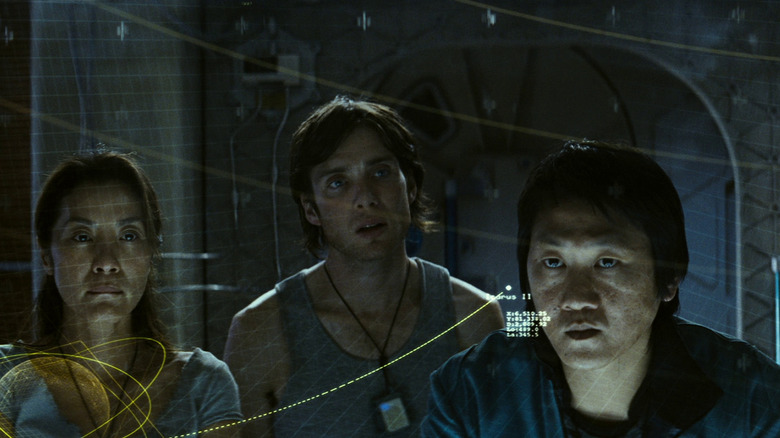
One of the most fascinating aspects of Sunshine is its cast. When watching it today, it feels less like a movie and more like a time capsule of the generation that would eventually define 2010s and 2020s cinema. The film features:
- Cillian Murphy: Long before he donned the fedora for Oppenheimer, he played Robert Capa, the quiet, soulful physicist grappling with the burden of saving the world.
- Chris Evans: Playing the stoic engineer Mace, Evans displayed the gravity and intensity that would eventually lead him to become the anchor of the Marvel Cinematic Universe.
- Michelle Yeoh: As the botanist Corazon, Yeoh brought a grounded, maternal wisdom to the screen, foreshadowing her eventual Academy Award-winning turn in Everything Everywhere All at Once.
- Benedict Wong, Rose Byrne, and Mark Strong: Each actor brought a specific layer of psychological complexity, turning what could have been "red-shirt" archetypes into fully realized, tragic figures.
Science Meets Surrealism: The Technical Authenticity
Despite the film’s increasingly surreal narrative trajectory, the bedrock of Sunshine is rooted in legitimate scientific inquiry. Alex Garland was famously diligent about the film’s accuracy, reportedly consulting with NASA and physicist Brian Cox to ensure that the mechanics of the Icarus II—from the design of the massive heat shield to the way the ship navigated the solar corona—felt grounded in reality.
This attention to detail creates a jarring contrast with the film’s third-act shift. As the mission fails and the psychological weight of the sun’s influence takes hold, the film abandons pure "hard science" for something more akin to a religious or philosophical nightmare. It is this shift that divides critics but captivates fans; the film transitions from a story about physics to a story about faith, ego, and the hubris of mankind.
Implications: The Failure of the "Human Element"
Unlike The Martian, which celebrates the ingenuity of the human spirit, Sunshine explores the dark side of that same coin. What happens when the mission is perfect, but the humans are not?
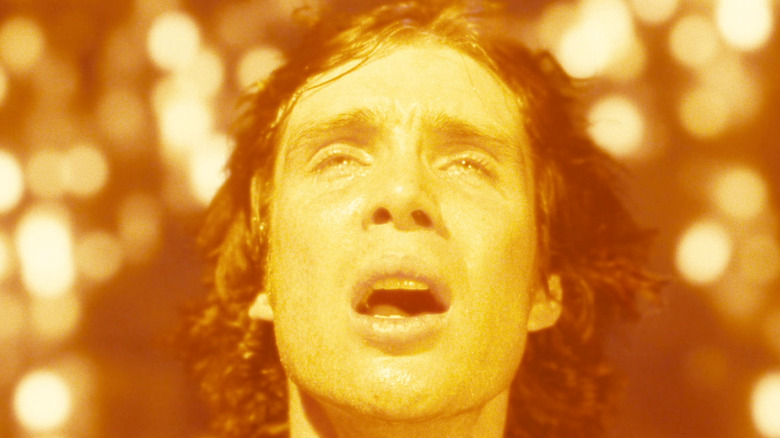
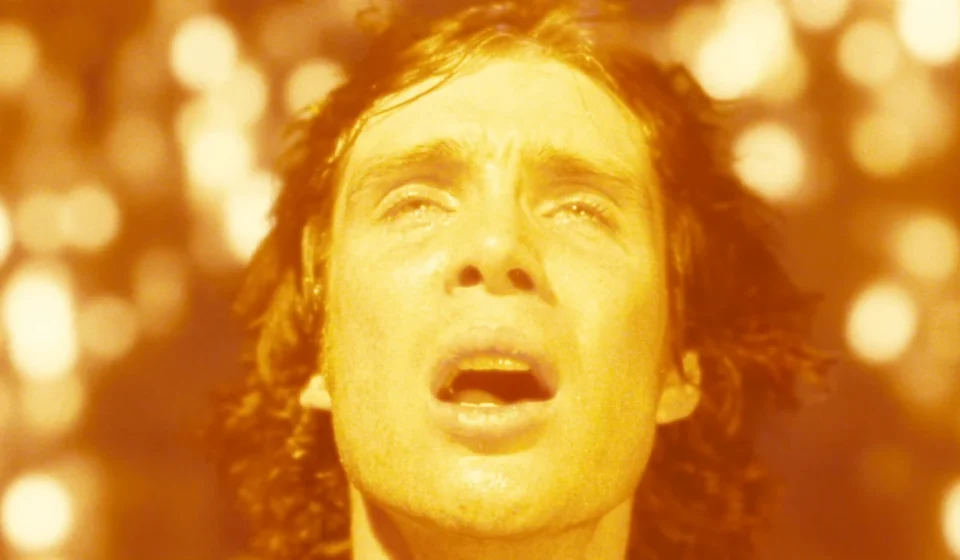
The film argues that our emotions, our need for validation, and our inherent capacity for madness are the true variables in any equation. In the vacuum of space, far from the reach of Earth’s society, morality becomes a luxury. The Icarus II crew discovers that when you stare directly into the face of god—or in this case, the source of all life—the ego begins to dissolve. This makes the film a profound piece of existential horror. It suggests that while we may have the technology to survive the cosmos, we may not yet have the emotional fortitude to endure the silence of it.
Why Sunshine Deserves a Second Look
The commercial failure of Sunshine was largely a byproduct of a flawed distribution strategy. It arrived in theaters during a period where "smart" sci-fi was often sidelined in favor of lighter fare. It struggled to find a marketing hook: it wasn’t an action-packed alien thriller, nor was it a warm, fuzzy exploration of discovery. It was, and is, a challenging, mid-budget, high-concept film that demands the viewer’s full attention.
However, the passage of time has been kind to the film. In an era where audiences are increasingly seeking "elevated" genre content, Sunshine fits perfectly alongside modern classics like Arrival or Annihilation. It is a visual feast, featuring a haunting, iconic score by John Murphy and Underworld that elevates the viewing experience to a transcendental level.
Conclusion: A Legacy of Light and Shadow
To ignore Sunshine is to ignore one of the most inventive and daring experiments in 21st-century science fiction. It is a film that refuses to offer easy answers or comforting resolutions. It is cold, it is bright, and it is profoundly, deeply human.
Whether you are a fan of hard-science thrillers or you simply appreciate high-stakes psychological dramas, Sunshine offers a cinematic experience that lingers in the mind long after the credits roll. It is a testament to what happens when brilliant filmmakers are given the space to take risks, even if those risks don’t always pay off at the box office. In the final analysis, Sunshine remains a masterpiece of the genre—a blazing, beautiful warning about what happens when we reach for the heavens and find only ourselves staring back.
For those who have yet to take the journey, the Icarus II is waiting. Just remember: when you are that close to the sun, it’s best not to look directly into the light.