
The world of cinema and stage has dimmed its lights to mourn the loss of one of its most vibrant, versatile, and audacious luminaries. Tim Curry, the actor whose career spanned five decades and defied the constraints of genre, character type, and conventional performance, has passed away at the age of 80. To speak of Curry is to speak of a force of nature—a performer who transformed "theatricality" from a mere acting style into a living, breathing philosophy.
Whether he was draped in the fishnets and corset of a transgressive scientist or voicing the animated manifestations of pure evil, Curry possessed a unique, magnetic gravity. He was a master of the "too much," proving that when an actor leans into the bizarre, the sinister, and the absurd with absolute conviction, they don’t just occupy a role—they define it.
A Legacy Built on Boldness: The Facts of a Singular Career
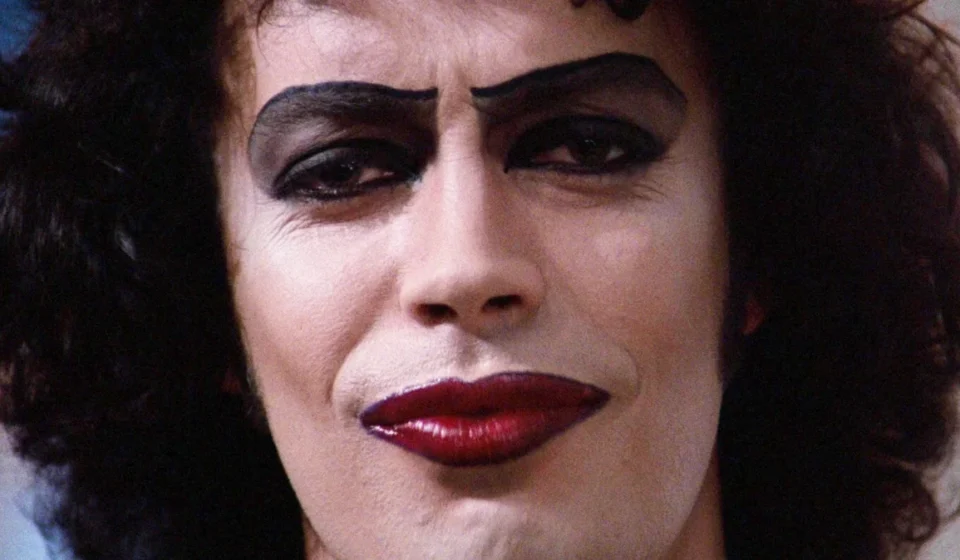
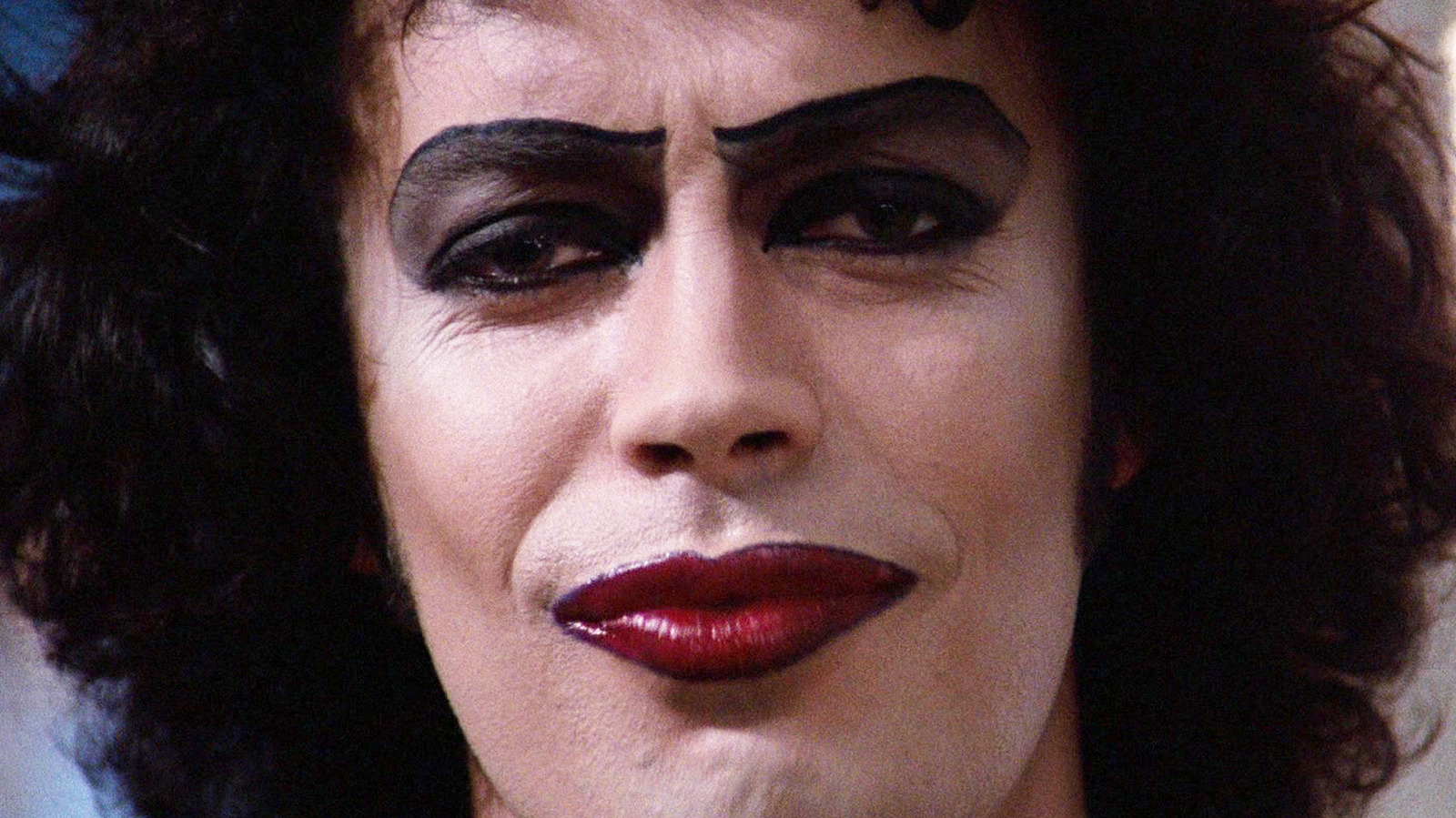
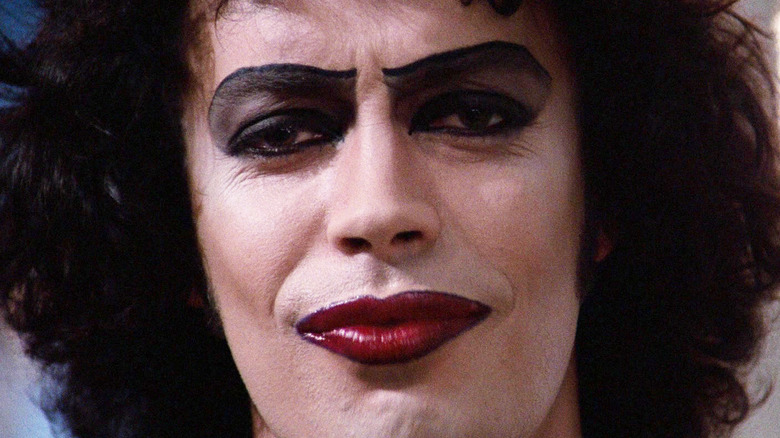
Tim Curry was not merely a character actor; he was a cultural landmark. While many performers struggle to escape the shadow of their breakout roles, Curry thrived by expanding upon the DNA of his most famous performance, Dr. Frank-N-Furter in the 1975 cult classic The Rocky Horror Picture Show.
Curry’s career was defined by a refusal to be "palatable." In an industry that often incentivizes the sanding down of an actor’s strange edges to make them more mass-marketable, Curry did the opposite. He sharpened his edges. He leaned into the explosive, the theatrical, and the overtly eccentric. He was a man who understood that to play a villain, a monster, or a seducer effectively, one must treat the role with the same level of intellectual rigor and unbridled joy as a lead in a Shakespearean tragedy.
Chronology of an Icon
To trace Curry’s trajectory is to map the evolution of modern pop culture’s relationship with the "outsider."
- The Early Years (1960s – 1974): Before he was a household name, Curry was a force on the London stage. His training in the Royal Shakespeare Company provided the bedrock of his technical skill, ensuring that his later, more "gonzo" performances were always grounded in impeccable diction and physical control.
- The Breakthrough (1975): The Rocky Horror Picture Show changed everything. As Frank-N-Furter, Curry did more than just act; he invited a generation of outsiders to see their own queerness and non-conformity as a source of power rather than shame.
- The Prolific Character Era (1980s – 1990s): This period saw Curry become the industry’s go-to for roles requiring "menacing charisma." From the sinister darkness of the film Legend (1985) to the hilarious, fast-talking sleaze of Rooster in Annie (1982) and the high-tension brilliance of Wadsworth in Clue (1985), Curry proved he could anchor a film in any genre.
- The Animation and Voice-Acting Renaissance (1990s – 2010s): Curry’s voice became a signature of modern childhood. Whether as the fatherly, eccentric Nigel Thornberry in The Wild Thornberrys or the polluting entity Hexxus in FernGully, he brought the same level of commitment to a recording booth that he brought to a film set.
The Art of the "Tim Curry" Performance
What separated Curry from the "Hey, it’s that guy!" tier of character actors was his instant recognizability. Audiences didn’t just see a character; they saw a performance they were inherently excited to witness.
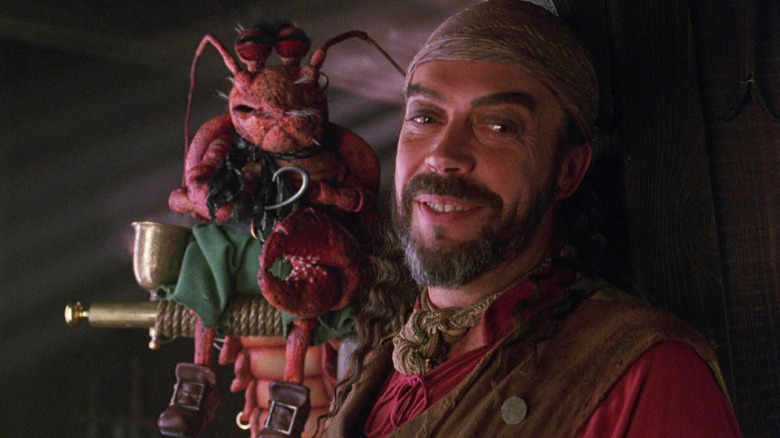
Consider the range of his vocal and physical choices. His work as Pennywise the Dancing Clown in the 1990 miniseries IT remains the gold standard for horror performance—not because it is a simple jump-scare, but because it is deeply, psychotically playful. He understood that a monster is scarier when it is enjoying its own cruelty. This same "joy in the dark" can be found in his turn as Long John Silver in Muppet Treasure Island (1996). Even when playing a pirate villain, he maintained a level of rapport with the puppets that made him feel like an honorary member of the troupe.
Curry’s performances were often characterized by a "glorious subtext." Even in a completely straight-faced drama, there was a twinkle in his eye that suggested he was in on a joke that only he and the audience could hear. This was his "sinister-seductive-silly" spectrum—a baritone-led performance style that could make an act of environmental destruction (as Hexxus) sound seductive, or a simple butler’s explanation (as Wadsworth in Clue) sound like a masterclass in comic timing.
Official Responses and Industry Impact
Following the news of his passing, the outpouring of grief and admiration from colleagues and fans has been immense. The Muppets’ official channels described him as a "natural force," noting that his presence in Muppet Treasure Island was not just a role, but a meeting of two legendary comedic spirits.
Critics have noted that Curry’s influence is pervasive, even if it is often invisible. He gave permission to a generation of actors to be "more." He showed that you could be flamboyant and frightening, desirable and repulsive, all within the same frame. For the LGBTQ+ community, his legacy as Frank-N-Furter remains a foundational text in the history of queer cinema, providing a blueprint for the "queer menace"—an archetype that is unapologetic, hyper-visible, and entirely commanding of the space they inhabit.
Implications: The End of an Era of "Gonzo" Acting
The loss of Tim Curry leaves a void that is unlikely to be filled. Modern acting often trends toward the "naturalistic" and the "subtle." While these have their place, the "Curry style"—the art of the grand, the high-concept, and the purposefully exaggerated—is a dying craft.
Curry proved that you do not need to diminish yourself to be accepted by a mainstream audience. He navigated the transition from stage to screen, from live-action to animation, and from cult status to mainstream fame without ever losing the strange, sharp, and brilliant edges that made him who he was.
He taught us that we can be anything and everything: a child-eating clown, a suave villain, a loving father figure, or a cosmic force of chaos. He demonstrated that as long as you commit to your performance with 100% of your soul, the audience will follow you anywhere—into the dark, onto a treasure ship, or into a castle of absolute pleasure.
Conclusion: A Masterclass in Being "Too Much"
Tim Curry’s passing is a reminder that the most memorable performers are those who refuse to be just one thing. He was a master of contradictions. He was "too much" in a world that often demands we be just enough.
In the wake of his death, we are left with a vast catalog of work that serves as a permanent, vibrant record of a life lived in Technicolor. For the fans who grew up watching him, he was more than an actor; he was a gateway to the idea that being weird, loud, and unapologetic was not only acceptable—it was a form of art.
Rest in peace, Tim Curry. You were, and will always be, a one-of-a-kind original. You taught us that life is too short to be subtle, and that if you are going to leave a mark, you might as well make it loud, make it strange, and above all, make it memorable.