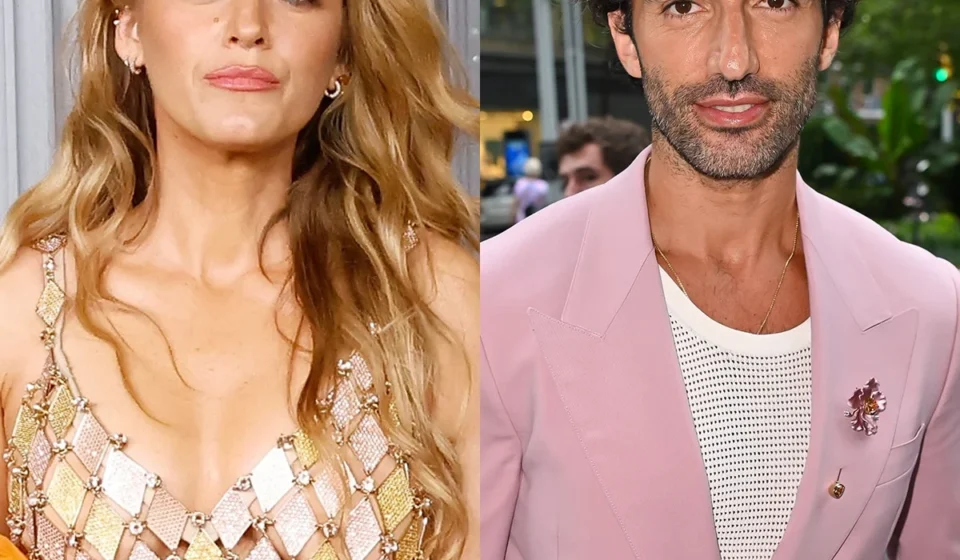
The "It Ends With Us" Saga: A Comprehensive Timeline of the Legal Battle Between Blake Lively and Justin Baldoni

The 2024 film adaptation of Colleen Hoover’s blockbuster novel It Ends With Us was intended to be a cinematic triumph, a poignant exploration of domestic violence and resilience. Instead, the production became synonymous with one of the most high-profile and acrimonious legal battles in recent Hollywood history. For nearly two years, stars Blake Lively and Justin Baldoni—who also served as the film’s director—engaged in a scorched-earth legal conflict that played out in the courtroom, in the press, and in the court of public opinion.
What began as whispers of "creative differences" during the film’s August 2024 press tour quickly escalated into a complex web of lawsuits involving sexual harassment allegations, claims of retaliatory smear campaigns, and multi-million dollar defamation countersuits. As both parties look to move forward following a May 2026 settlement, the saga remains a case study in the volatile intersection of celebrity, workplace culture, and the #MeToo era.
Main Facts: The Core Dispute
At the heart of the conflict was a profound breakdown in the working relationship between lead actress Blake Lively and director-star Justin Baldoni. The tension, which fans first suspected during the film’s promotional cycle, culminated in a formal complaint filed by Lively in December 2024 with the California Civil Rights Department (CRD), followed by a federal lawsuit.
Lively accused Baldoni, his production company Wayfarer Studios, and several associates of engaging in a coordinated, retaliatory "smear campaign" against her. She alleged that this campaign was launched after she voiced concerns regarding "invasive, unwelcome, unprofessional, and sexually inappropriate behavior" that she and other crew members experienced on set. Baldoni and Wayfarer vehemently denied these claims, characterizing them as a "desperate" attempt by Lively to deflect from negative press she received during the film’s promotion.
Chronology of the Conflict
2024: The Unraveling
- August 9: It Ends With Us debuts in theaters. Social media users and entertainment journalists immediately note a lack of joint press appearances between Lively and Baldoni, sparking widespread speculation.
- December 20: Lively files a formal CRD complaint against Baldoni and his associates, including CEO Jamey Heath and various publicists.
- December 21: The New York Times publishes a bombshell report detailing the alleged smear campaign, citing texts and internal documents provided by Lively’s legal team. That same day, the talent agency WME drops Baldoni as a client.
- December 24: Stephanie Jones, Baldoni’s former publicist, files a lawsuit against him, alleging that he and his team conspired to sabotage her career and used her as a scapegoat for their own PR crises.
- December 31: Baldoni and his associates file a $250 million lawsuit against The New York Times, alleging libel and false light. Simultaneously, Lively files a formal lawsuit in federal court.
2025: The Escalation
- January 16: Baldoni expands his legal offensive, filing a $400 million lawsuit against Lively, her husband Ryan Reynolds, and her publicist Leslie Sloane, accusing them of extortion and defamation.
- January 27: A seven-minute voice memo from Baldoni to Lively is leaked, featuring the director apologizing for his handling of a scene and praising the creative influence of Lively and Taylor Swift.
- February 18: Lively files an amended complaint, alleging that two other women on set had also reported feeling uncomfortable by Baldoni’s behavior.
- March 4: A federal judge stays discovery in the case against The New York Times, noting the paper’s motion to dismiss appeared likely to succeed.
- June 9: A judge dismisses Baldoni’s countersuit against Lively and Reynolds, citing a failure to prove claims of defamation or extortion.
- August 17: Actress Isabela Ferrer alleges that Baldoni’s team attempted to manipulate and bully her regarding her testimony in the case.
2026: The Settlement
- April: A judge dismisses 10 of the 13 claims in Lively’s lawsuit, including the sexual harassment charge, ruling that Lively was an independent contractor rather than an employee, which complicated the legal standing of that specific claim.
- May 4: Attorneys for both sides announce a global settlement. The joint statement expressed pride in the final film and a commitment to ensuring safe, respectful workplaces.
Supporting Data and Evidence
The legal battle was marked by an unprecedented release of "receipts." Both sides weaponized digital communication to support their narratives.
Lively’s team relied heavily on internal emails and text messages subpoenaed from former associates to substantiate the claim that a "sophisticated press plan" was enacted to damage her reputation. Conversely, Baldoni’s legal team, led by Bryan Freedman, launched a dedicated website to release what they termed "the truth," including screenshots of texts intended to prove that Lively and Reynolds were the ones orchestrating a takeover of the production.
The involvement of third parties, such as the New York Times and Taylor Swift, added layers of complexity. While Baldoni’s team attempted to subpoena Swift to prove she was involved in "creative interference," Swift’s representatives successfully blocked the effort, calling the move "tabloid clickbait."
Official Responses and Legal Arguments
The defense strategies adopted by both parties highlight the "DARVO" (Deny, Attack, Reverse Victim and Offender) dynamic often observed in high-profile harassment cases.
Lively’s attorneys, Esra Hudson and Michael Gottlieb, maintained that their client’s pursuit of legal action was a necessary stand against workplace toxicity. They argued that the attacks against Lively—including suggestions that she was "difficult" or "controlling"—were classic tactics designed to silence women who report misconduct.
On the other side, Bryan Freedman remained aggressive throughout the process. Following the settlement, he maintained that Lively "received nothing" and reiterated his client’s innocence. "There was no sexual harassment. There was no retaliation. There was no smear campaign," Freedman stated, framing the settlement as a way to stop the "bleeding" of legal costs rather than an admission of guilt.
Implications for Hollywood and Beyond
The settlement of the It Ends With Us dispute has significant implications for the film industry.
1. The Power of Independent Contractors
The judge’s ruling that Lively’s sexual harassment claims were hindered by her status as an independent contractor rather than an employee serves as a warning for future talent. This distinction creates a potential loophole in workplace protection laws, suggesting that high-level actors and directors may have different legal avenues for recourse than traditional staff members.
2. The Weaponization of PR
The case highlighted the dangerous role of "crisis management" firms in Hollywood. When such firms are used not just to mitigate bad press, but to actively orchestrate smear campaigns against coworkers, the ethical boundaries of the industry are severely tested. The lawsuits against publicists like Melissa Nathan and Jennifer Abel underscore a growing trend of accountability for the "fixers" who facilitate these campaigns.
3. The Court of Public Opinion
This case was unique in how deeply it penetrated social media. From TikTok analysis of red-carpet body language to the public parsing of voice memos, the audience became a participant in the trial. While this brought transparency, it also meant that the reputations of both stars were permanently altered by unverified claims long before any judicial verdict was reached.
4. A Path Toward Closure?
The final settlement, which included a commitment to "workplaces free of improprieties," suggests a desire from both studios and talent to return to a status quo where films are marketed based on their content rather than their behind-the-scenes drama. However, with Lively still pursuing attorney fees—a request recently granted in part—the financial fallout of this conflict continues to linger.
As both actors return to their respective careers, the "It Ends With Us" case will likely serve as a cautionary tale for years to come. It stands as a stark reminder that in an industry built on storytelling, the narratives we craft behind the camera can often be more destructive—and harder to resolve—than the ones we project on the screen.