
In the latest installment of the fxpodcast, we sit down with legendary Industrial Light & Magic (ILM) visual effects supervisor John Knoll to dissect the groundbreaking production of The Mandalorian and Grogu. More than a simple "making-of" conversation, the discussion serves as a deep dive into the philosophy of the Star Wars aesthetic, exploring what it means to steward a visual language that has defined, and redefined, cinematic history for nearly five decades.
The Continuity of Craft: From Analog Roots to Digital Frontiers
John Knoll occupies a singular position in the history of visual effects. His career acts as a bridge between the analog ingenuity of the original Star Wars trilogy—defined by optical compositing and intricate model photography—and the cutting-edge digital frontiers of the current era. Having transitioned from the pre-digital age through the rise of computer-generated imagery (CGI) in the prequels, and into the modern era of virtual production and real-time rendering, Knoll’s perspective is uniquely holistic.
For Knoll, the evolution of ILM is not a story of technological displacement, but one of architectural growth. He challenges the common industry narrative that treats miniatures, puppets, and digital effects as competing methodologies. Instead, he views them as a singular, evolving "ILM problem": the perpetual quest to ensure that impossible images feel photographed, physical, and emotionally resonant.
The "Style Book" of a Galaxy Far, Far Away
A central revelation in our conversation concerns the fluidity of the Star Wars visual identity. Audiences often perceive the original trilogy’s aesthetic as a rigid, codified set of rules. However, Knoll clarifies that many of the details fans cherish—from the specific flicker of a lightsaber to the behavior of blaster bolts and the density of star fields—were notoriously inconsistent across the original films.
Over the decades, ILM has had to retroactively formalize these idiosyncrasies into a cohesive "style book." This is not intended as a bureaucratic rule set that stifles creativity, but rather as a foundational framework designed to protect the "soul" of the franchise. By distilling the inherited visual memory of the past, ILM provides a sandbox that allows each new production to innovate while remaining tethered to the franchise’s established, tactile reality.
Hybrid Innovation in The Mandalorian and Grogu
The production of The Mandalorian and Grogu represents the pinnacle of this synthesis between legacy techniques and modern technology. While the film embraces the virtual production workflows pioneered by the Mandalorian series, it also features a masterful return to traditional model photography—with a twist.
The Miniature-LED Hybrid
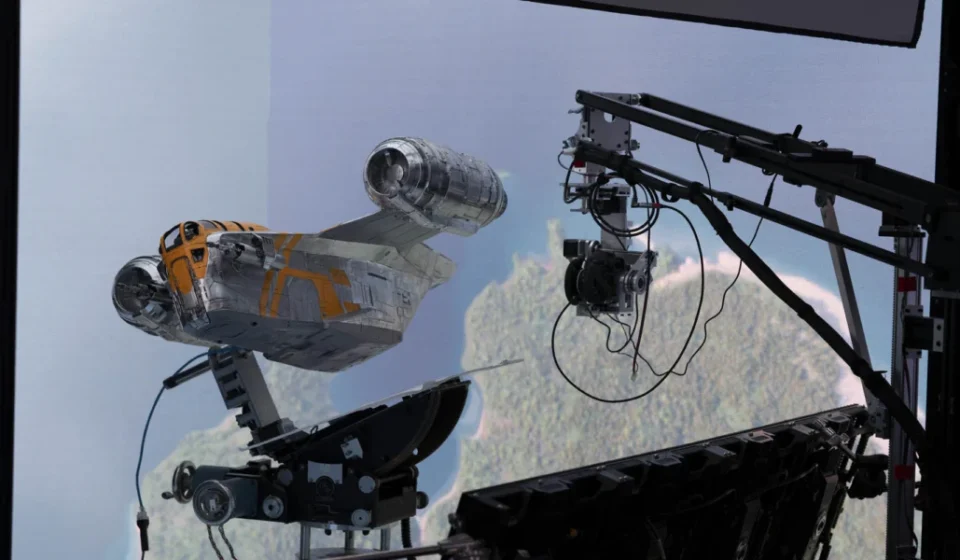
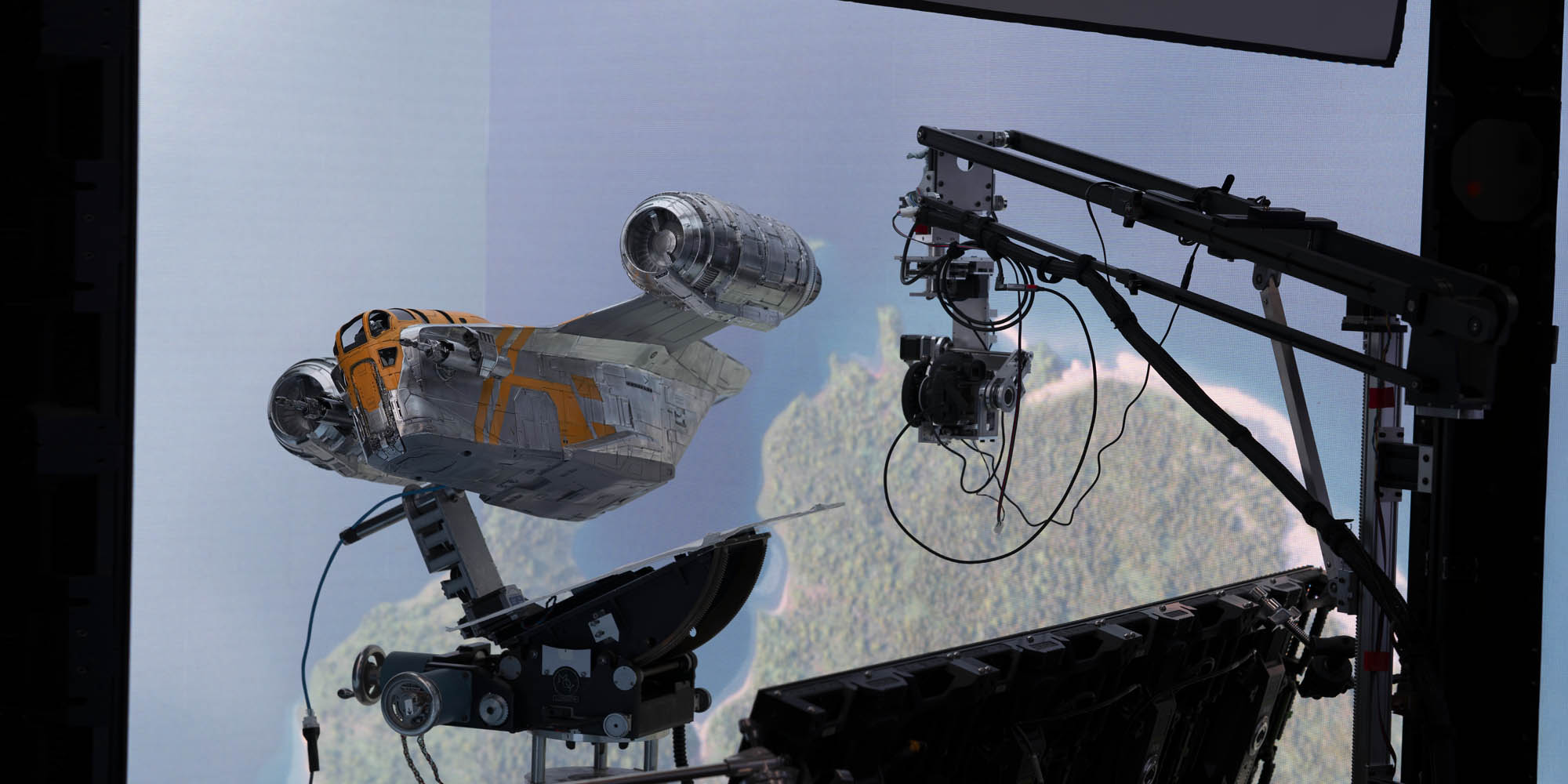
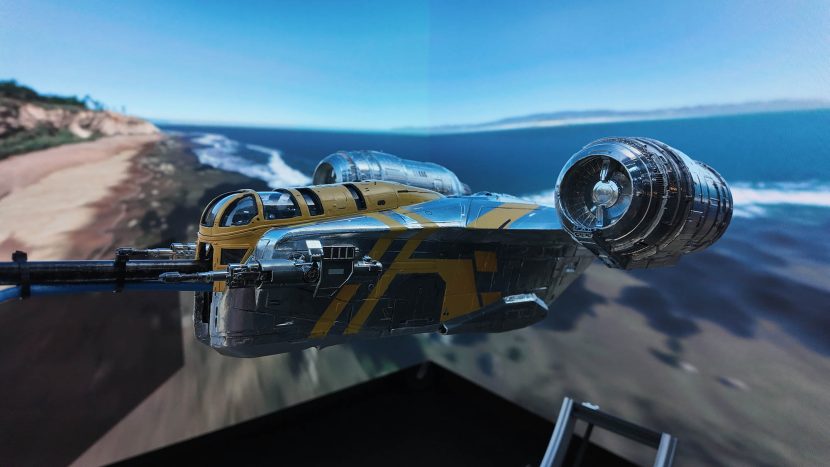
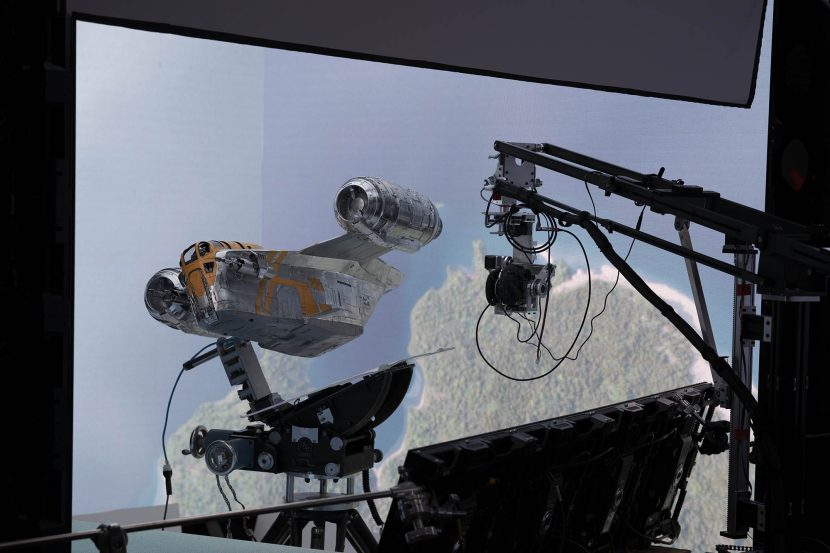
In a move that highlights the ingenuity of modern ILM, the team utilized an eight-foot LED volume to house a miniature of the Razor Crest. Rather than relying solely on a blue screen or a fully digital asset, the crew placed the physical model inside this bespoke LED environment.
This allowed the metallic surfaces of the ship to capture genuine, interactive lighting from the surrounding digital world. By shooting the miniature with motion-control rigs and using LED-based illumination, the team achieved a look that is arguably more authentic than pure CGI. This hybrid methodology—combining the physical weight of a model with the dynamic, reactive light of real-time virtual environments—produces a shot language that feels unmistakably "Star Wars."
Navigating the Challenges of Scale
This technique, however, was not without its hurdles. Knoll details the technical complications inherent in using LED panels at a miniature scale. When working with micro-environments, the relative size of the LED raster becomes a significant issue, often resulting in edge aliasing and moiré patterns. Solving these problems required meticulous, frame-by-frame adjustments, including multiple passes for engine glows, running lights, and blue-screen separation. These "invisible" craft decisions are exactly what separate a synthetic-looking shot from one that feels grounded in a physical reality.
The Puppet and the Pixel: The Performance of Grogu
Perhaps the most significant challenge in the film was maintaining the audience’s connection to Grogu. The character’s appeal relies entirely on his perceived sense of physical presence.

Knoll explains that the project’s logic shifted early on from a "digital-first" approach to a "puppet-first" philosophy. The practical puppet developed by Legacy Effects proved so expressive and charming that it became the benchmark for the character’s performance. When digital augmentation was required, the directive to ILM’s animators was not to aim for anatomical perfection, but to replicate the physical constraints, weight, and slight, charming imperfections of the puppet. The goal was to ensure the digital version felt like a natural extension of the physical one, rather than a superior replacement.
Pushing the Boundaries of Alien Design
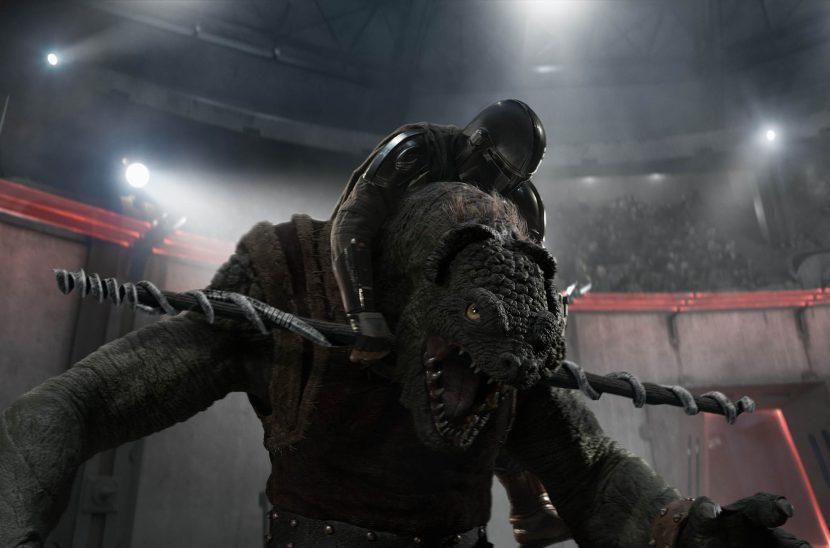
The film also serves as a testing ground for how far the Star Wars creature language can be pushed before it feels unmoored from the universe. Knoll discusses the creative tension involved in animating creatures like the Hutts, which the film demands be more active, expressive, and mobile than previously seen.
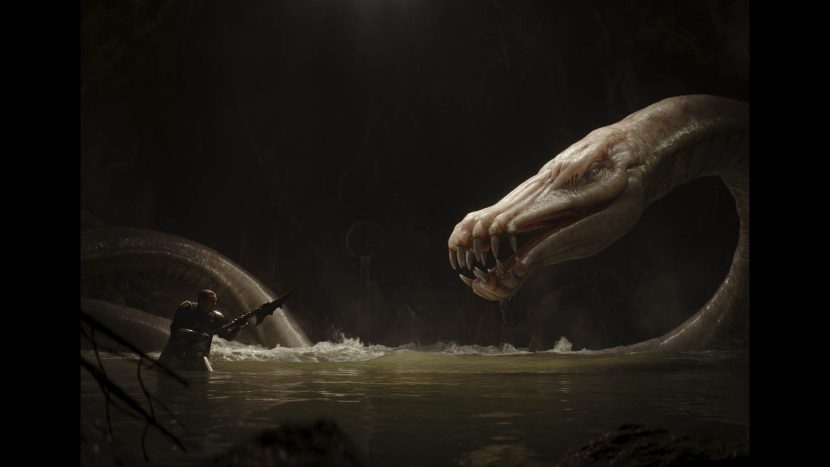
The challenge here is one of taste and restraint. How does one give a character the ability to speak, fight, and emote without stripping away the "alien-ness" that defines the species? It is a constant calibration, ensuring that even as the technology allows for more complex, nuanced performances, the creatures retain the handcrafted aesthetic that has been a staple of the franchise since 1977.
Water Simulations and Environmental Integration
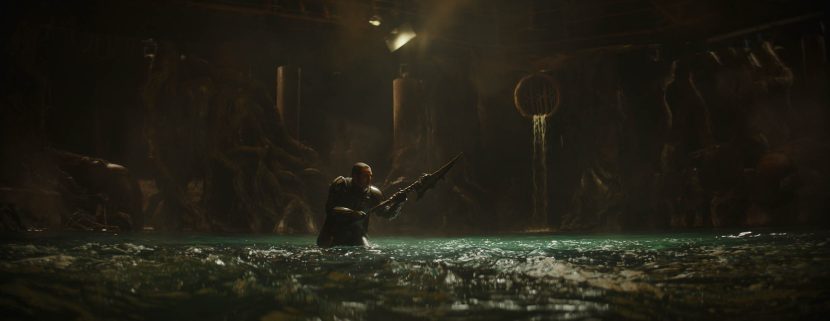
Visual effects remain a "stress test" when it comes to water. In The Mandalorian and Grogu, a specific sequence involving live-action performers, physical sets, and digital creatures forced the team to blend reality with complex simulations.

Water is notoriously difficult because it demands total consistency across multiple visual cues: surface tension, refractive light, scale-appropriate splashes, and the way it interacts with human skin and clothing. By carefully blending photographed water elements with ILM’s high-fidelity simulations, the team in Vancouver achieved a level of integration that is meant to be felt by the viewer, not analyzed. This "invisible complexity" is the hallmark of modern, high-end production.
The Future of Virtual Production: Beyond the Stage
The podcast also touches upon the use of the "Shakari Street" environment, which serves as a prime example of the maturity of virtual production. Instead of relying on a standard, all-encompassing volume stage, the filmmakers used a real-world location enhanced by a tracked, distant LED wall.

This hybrid approach—combining a physical street set with digital extension—demonstrates that virtual production is a toolbox, not a singular destination. By using wet-down floors, practical props, and precise camera tracking, the team bridged the gap between the physical and the digital, providing the actors with a coherent environment that felt lived-in and real.
Implications: The Continuum of Filmmaking
By the conclusion of the conversation, John Knoll’s stance on the state of the industry is clear: Visual effects are not a cheat code for reality, nor are they a subordinate element of filmmaking. They are a core, collaborative discipline.
The integration of miniatures, puppets, LED volumes, simulations, and advanced compositing represents a single, unbroken continuum of cinematic storytelling. As the industry moves forward, the primary metric for success remains unchanged: Does the final image serve the story? Does it feel coherent within its own universe? Does it carry the emotional weight the scene demands?
For ILM and for Knoll, the goal is not to "fool" the audience with technology, but to leverage every tool available—whether invented in 1975 or 2026—to craft an experience that feels as tangible as the original film that changed cinema forever. In an era where digital tools are becoming increasingly powerful, the most important lesson from The Mandalorian and Grogu is that the best visual effects are the ones that prioritize the human touch, ensuring that no matter how far we travel into the galaxy, it always feels like home.