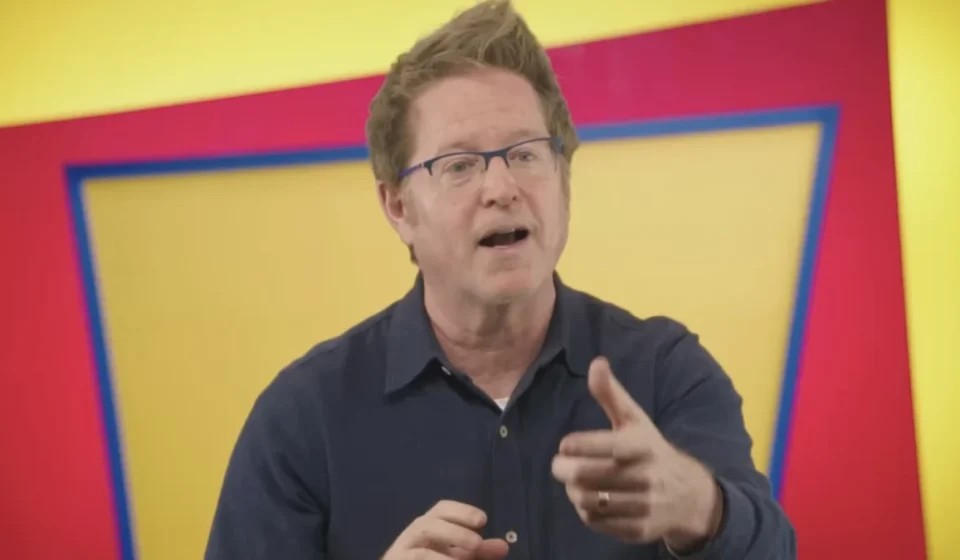

In the landscape of modern cinema, where expository dialogue often dominates and visual storytelling feels increasingly like a lost art, Pixar veteran Andrew Stanton remains a beacon of narrative discipline. Having served as one of the original architects of the modern computer-animation revolution, Stanton has spent over three decades mastering the delicate balance between emotional resonance and narrative restraint. His core philosophy—a simple yet profound directive for storytellers—is perhaps more relevant today than ever: "Make the audience put things together. Don’t give them 4; give them 2+2."
The Architect of Pixar’s Emotional Core
Andrew Stanton’s journey with Pixar Animation Studios is nothing short of legendary. Joining the company in 1990 as its ninth employee and only its second animator, he was present at the inception of a cultural phenomenon. His fingerprints are on the very fabric of the studio’s success. He served as a writer on Toy Story, the groundbreaking 1995 feature that introduced the world to computer-generated long-form storytelling.
Stanton did not merely help build the house; he defined its architecture. As the creative force behind the emotional tapestries of Finding Nemo and WALL-E, he proved that animation could be a medium for profound philosophical inquiry and deep, human-centric storytelling. WALL-E, in particular, stands as a testament to his belief in visual communication, famously featuring a first act almost entirely devoid of human speech. His career has seen its share of challenges—most notably the ambitious but commercially star-crossed live-action epic John Carter—but his subsequent pivot to high-end television, helming episodes for Stranger Things, Breaking Bad, and For All Mankind, has only solidified his reputation as a master of the craft. His recent return to the franchise that started it all, Toy Story 5, has reaffirmed his ability to deliver massive box-office success without sacrificing the heart that made the original so indelible.
The "Unifying Theory of 2+2"
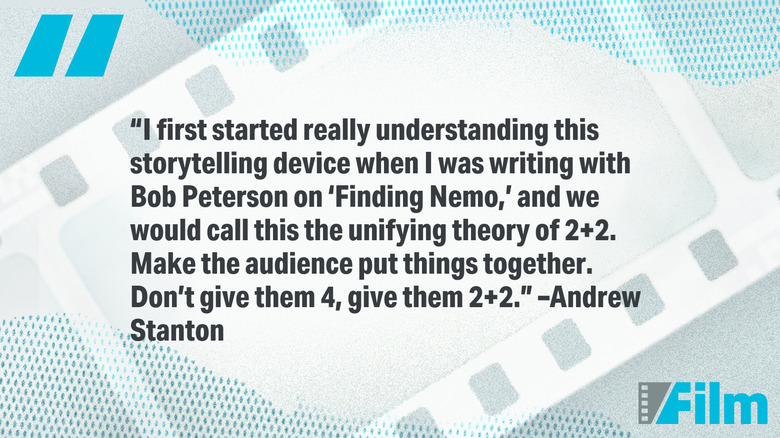
The philosophy that defines Stanton’s career was codified during the writing process for Finding Nemo. Working alongside Bob Peterson, the co-director and writer of Pixar’s Up, Stanton stumbled upon what he calls the "unifying theory of 2+2."
"Make the audience put things together," Stanton explained during his seminal 2012 TED Talk. "Don’t give them 4, give them 2+2."
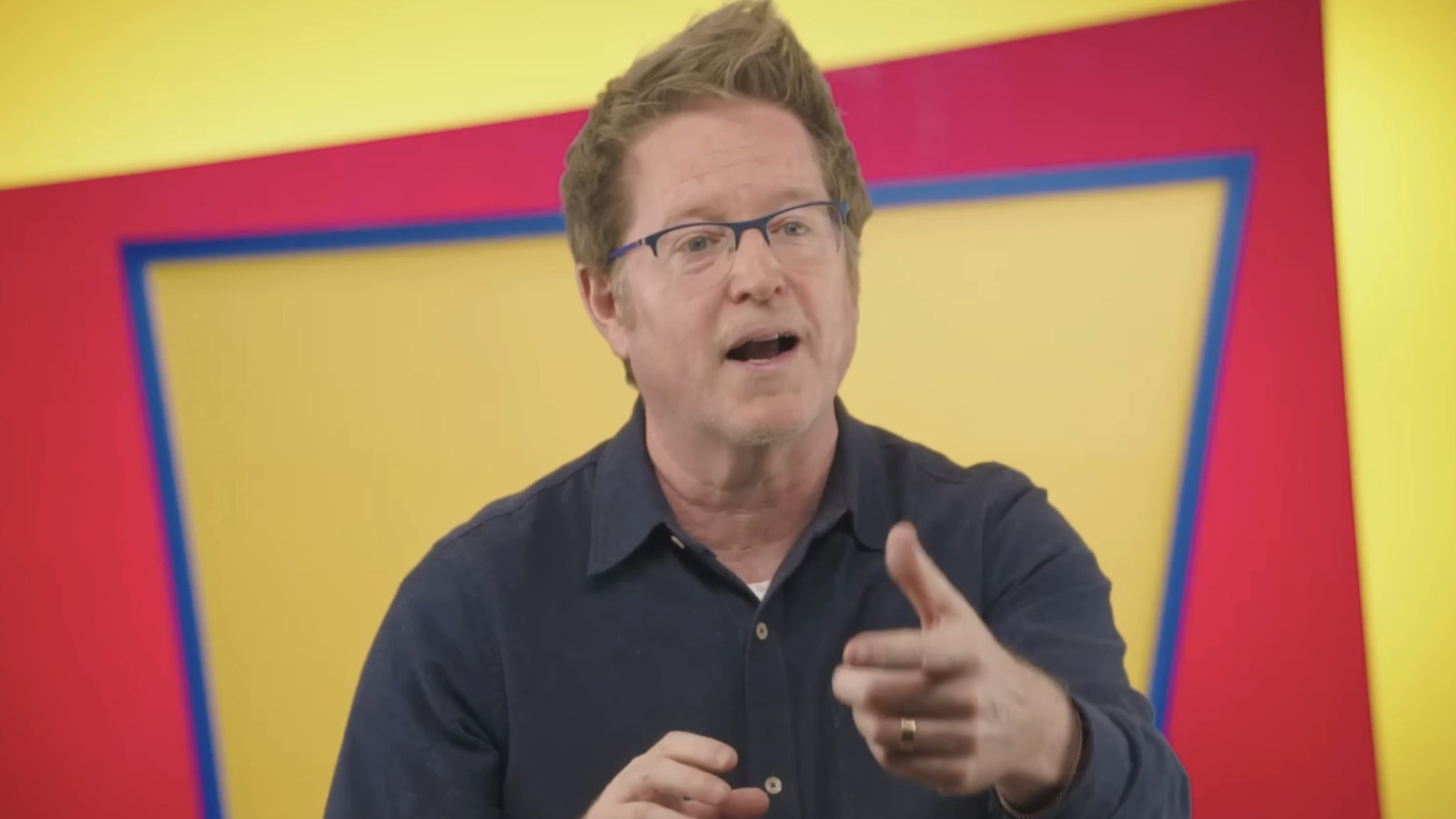
This approach acts as a counterweight to the "spoon-feeding" style of modern blockbuster filmmaking. By inviting the audience to engage in the deduction process, a director creates a sense of ownership over the narrative. When a viewer successfully connects the dots themselves—realizing a character’s internal state through a subtle glance rather than a lengthy monologue—they are no longer passive observers; they become active participants.
This is the essence of "showing, not telling." It requires a level of trust in the audience that many contemporary studios seem to lack. Stanton argues that this is the most inclusive form of cinema, as it transcends language barriers and cultural divides by relying on the universal grammar of human emotion and visual cues.
The Crisis of the "Second Screen"
Stanton’s advice arrives at a critical juncture in the history of media consumption. In an era where streaming services prioritize "watchability"—often defined by how much a viewer can follow while simultaneously scrolling through social media—the pressure to simplify narratives has become immense.
Reports have surfaced regarding studio executives, particularly within the streaming sector, evaluating scripts based on their "second screen" viability. This trend seeks to remove ambiguity and complexity to ensure that a viewer doesn’t feel "lost" if they glance down at their phone for thirty seconds. This "dumbing down" of content is the antithesis of the Stanton method.
By prioritizing accessibility over engagement, studios risk alienating the very audience they seek to keep. When a film or series provides the viewer with "4" instead of "2+2," the intellectual and emotional reward is minimized. The audience is robbed of that "aha!" moment, that brief spark of satisfaction that comes from deciphering a character’s motivation or the weight of a scene’s silence.
Case Study: The Silence of WALL-E
To understand the efficacy of Stanton’s theory, one need only look at WALL-E. If the film’s narrative were dictated by contemporary studio notes, the titular robot’s lonely existence on a desolate Earth would have been explained through a voiceover or dialogue-heavy exposition. Instead, Stanton chose to let the visuals—the rust on WALL-E’s frame, the way he meticulously organizes trash, his fascination with the remnants of human culture—do the heavy lifting.
The audience does not need to be told that WALL-E is lonely; they see it in his actions. They do not need to be told that his interaction with EVE is a transformative experience; they feel it in the change in his mechanical gait and the brightness of his optical sensors. The film proves that if you give the audience the tools to solve the riddle of a character’s heart, they will happily perform the work required to do so. In fact, they will find the process deeply fulfilling.
Implications for the Future of Filmmaking
The implications of Stanton’s "2+2" theory extend far beyond animation. As the lines between prestige television and feature-length cinema continue to blur, creators are faced with a choice: do they cater to the distracted viewer, or do they aim for the engaged one?
Stanton’s perspective suggests that the most successful, long-lasting stories are those that demand our full attention. He offers a challenge to the industry: stop underestimating the viewer. Even younger audiences, who are often characterized as having shorter attention spans, are fully capable of understanding complex emotional arcs if the storytelling is disciplined.
His additional principles, such as "Make me care," "Art is chaos, so you need a system," and the daring advice that "if you want someone’s attention, whisper," serve as a roadmap for a more courageous approach to filmmaking. They suggest that the power of cinema lies not in the spectacle, but in the intimacy of the connection between the screen and the viewer.
Conclusion: A Call for Narrative Discipline
In a crowded media landscape, where content is often viewed as a commodity to be consumed in the background, Andrew Stanton’s wisdom serves as a necessary intervention. Filmmaking is not just about conveying information; it is about creating an experience that resonates long after the credits roll.
By forcing the audience to perform the mental labor of "2+2," filmmakers honor the intelligence of their viewers and preserve the magic of discovery. Whether it is through the silence of a robot on a dying planet or the complex interpersonal dynamics of a family in a live-action drama, the mandate remains the same: trust the audience. If creators provide the pieces, the audience will be more than happy to build the picture themselves. As Stanton proves, the most memorable stories are the ones where we feel like we were the ones who truly understood the point all along.