Decapitation, Deconstruction, and the Art of the Unreliable Narrator: Inside the Surreal Production of Interview with the Vampire Season 3

Editor’s Note: The following article contains significant spoilers for Season 3 of AMC’s "Interview with the Vampire," specifically regarding the climactic events of Episode 7, “The Failures.”
Television production is often described as a collaborative marathon, but for the creative team behind AMC’s Interview with the Vampire—or, as this season has been aptly dubbed, The Vampire Lestat—the process has frequently resembled a high-stakes, surrealist art installation. As showrunner Rolin Jones and his team navigated the complex adaptation of Anne Rice’s iconic lore, they faced perhaps their most daunting technical challenge to date: how to translate the gruesome, gothic intimacy of a decapitated vampire onto the screen without losing the raw, emotional tether that grounds the series.
The Technical Triumph of "The Failures"
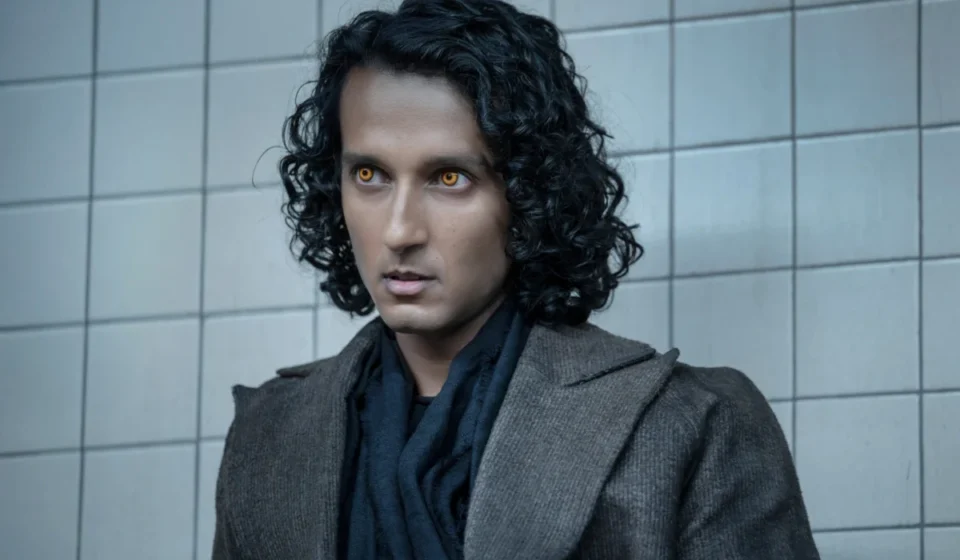
In Episode 7, titled “The Failures,” the narrative reaches a fever pitch of physiological and psychological horror. The sequence involves a startling visual: Louis de Pointe du Lac (Jacob Anderson), having been decapitated, remains unnervingly animate. His head, bloodied and rigged to a series of monitors, sits on a butcher shop counter, serving as a focal point for the machinations of Armand (Assad Zaman).
For the production team, the objective was twofold: maintain the visceral, grounded aesthetic of the show while ensuring that Anderson—an actor known for his expressive, nuanced performances—remained the emotional anchor of the scene. The danger, as Jones noted, was that the technical requirements would reduce Louis to a mere prop.

“Most of the conversation was about trying to figure out the logistics,” Jones explained during a recent appearance on the Filmmaker Toolkit podcast. “How the table worked, how the green screen environment would function. It’s not the greatest puppet head in the world, but it wasn’t supposed to be a double. We utilized an articulated jaw and a blend of practical and post-production effects to ensure that the performance remained functional and emotive.”
The success of the scene hinged on the team’s ability to "hide the seams." By focusing on the interplay between Anderson and Zaman, the production design allowed the audience to suspend their disbelief just long enough to process the horror of the situation before returning to the core conflict: the fractured, toxic, and deeply codependent relationship between the two vampires.
A Chronology of Chaos: From Staged Monologues to Global Manipulation
The narrative structure of The Vampire Lestat has been intentionally disorienting, acting as a set of “mini-plays” that build toward a singular, devastating realization. The season culminates with the reveal of Lestat (Sam Reid) delivering a monologue that he has been narrating throughout the season, a revelation that forces viewers to re-evaluate the reliability of every frame they have consumed since the premiere.
The Evolution of the Narrative
- The Early Episodes: The season established a sense of mystery surrounding Armand’s whereabouts. Viewers were led to believe he was absent, only for the reveal to confirm he was orchestrating events from the shadows.
- The Mid-Season Pivot: The introduction of Regina (Delainey Hayles)—who bears an uncanny resemblance to the late Claudia—served as a masterstroke of entrapment. Her alliance with Armand was not merely a plot twist; it was a character-driven revelation that shifted the power dynamic of the entire series.
- The Climax: The final, expansive sequence in the butcher shop acts as a "three-hander," where the camera slowly opens up the space, moving from the isolated perspective of Louis to a broader, more threatening reality where Armand’s influence is felt in every frame.
According to Jones, the goal was to make the show’s confined, single-room settings feel as cinematic and expansive as a feature film. “If you’re an Armand fan, you’ve been asking where he is all season,” Jones remarked. “Now you realize he’s in every frame. Whether it’s Regina or Seamus Patterson’s character, Alex, it’s him. He’s been creeping through this whole goddamn show.”

The Philosophy of the "Painterly" Edit
Beyond the practical effects, the aesthetic identity of Interview with the Vampire is defined by its editorial rhythm. The show’s editors are encouraged to approach the footage not as a linear television narrative, but as a evolving painting.
This is particularly evident in how the team revisited footage from Seasons 1 and 2 to construct Lestat’s final “concert.” By manipulating past shots and recontextualizing them through Lestat’s subjective, fading memory, the editors have created a tapestry that rewards multiple viewings.
“I told them: start painting, start manipulating, go back and remold the clay,” Jones said. “This is Lestat. Everything is subjective to his ego and his trauma.”
One specific example cited by Jones is the breakdown scene in Episode 1. A subtle freeze-frame in that sequence, when viewed in the context of the season finale, takes on a new, haunting significance. It is a detail so specific that Jones notes, with a hint of professional pride, that no one online has correctly deciphered its full implications yet. This commitment to detail—the “odd beauty” of the show—is what separates the series from standard genre fare.

Implications for the Future: Adapting The Queen of the Damned
As the third season concludes, the show finds itself at a precipice. The destruction of the previous status quo is not merely a plot device; it is a creative reset. The shift from the intimate, claustrophobic drama of the first three seasons to the wider, more chaotic world of The Queen of the Damned necessitates a change in how the story is told.
Jones has been vocal about the challenges ahead. Anne Rice’s source material for the next arc is famously structured around strict, character-specific points of view. “That should be a massive clue to how we are considering the next season,” Jones teased.
The implication is that the show will continue to lean into its experimental roots. If Season 3 was an exercise in the unreliable narrator and the deconstruction of the self, the upcoming episodes will likely explore the fragmentation of the vampire world on a global scale.
The Convergence of Craft and Character
Ultimately, the technical ingenuity behind the decapitated Louis or the carefully curated flashbacks is all in service of one goal: character evolution. The scene in the butcher shop is not just a triumph of puppetry; it is the moment Louis finally stops looking inward.

“The real beauty of Jacob’s performance is the moment he switches from ‘I’m going to do this to save Regina’ to ‘What do I owe this guy?’” Jones said. “Armand’s past, Louis’s perspective on his own history—there was so much left on the table. For Armand to force him to finally see him? It’s an odd scene, but it’s an odd beauty.”
By prioritizing these moments of intense, uncomfortable human connection over pure plot reveals, Interview with the Vampire has carved out a unique space in modern television. It is a show that refuses to settle for the expected, choosing instead to challenge its audience to look closer, rewatch, and accept that in the world of Anne Rice, the truth is often found in the fragments of what we thought we knew.
As the series heads into its next chapter, it remains a testament to the idea that TV can be, and should be, a work of art—a painting that continues to change every time you stand in front of it.
Interview with the Vampire Season 3 is now available to stream in its entirety on AMC+.