
For years, the skincare industry has focused heavily on the complexion. From the "glass skin" trends of K-beauty to the clinical precision of prescription-strength tretinoin, the face has long been the primary beneficiary of advanced dermatological innovation. However, a major shift is currently underway. As beauty consumers become increasingly educated on active ingredients, the spotlight has turned downward—literally. Body retinols are no longer a niche luxury; they are becoming a fundamental pillar of a modern, holistic skincare routine.
The Main Facts: Why Body Retinols Are Trending
Retinol, a derivative of Vitamin A, has long been the "gold standard" for facial anti-aging. By accelerating cell turnover and stimulating collagen production, it effectively treats fine lines, hyperpigmentation, and texture irregularities. Recently, beauty powerhouses like Osea, Nécessaire, and U Beauty have successfully translated these potent facial-grade technologies into sophisticated body-care formulas.
The shift is driven by a consumer demand for "skintellectual" products that address body-specific concerns such as crepey skin, keratosis pilaris (the small, rough bumps often found on the back of arms), and sun damage on the décolletage. Unlike traditional body lotions, which primarily focus on surface-level hydration via occlusives and emollients, body retinols work at a cellular level to fundamentally improve the skin’s structure over time.
A Brief Chronology of the Body-Care Boom
The evolution of body care has been a slow climb, characterized by three distinct phases:
- The Era of Basic Moisturization (Pre-2015): Body care was largely synonymous with basic lotions. Fragrance and scent were the primary selling points, and "anti-aging" was a term reserved exclusively for the face.
- The Rise of Targeted Ingredients (2015–2020): Brands began introducing AHA/BHA-infused body washes and lotions to treat body acne and rough texture. This educated consumers on the effectiveness of chemical exfoliation below the neck.
- The Retinol Integration (2021–Present): With the normalization of advanced skincare, consumers began asking why they couldn’t apply their high-performance serums to their bodies. Brands responded by engineering retinol-powered lotions, balms, and serums that are specifically formulated for the thicker, more resilient skin of the body, while remaining gentle enough for daily use.
Supporting Data: The Efficacy of Vitamin A
Clinical studies have consistently shown that consistent use of topical retinoids can improve skin elasticity and thickness. While the skin on the body is often thicker than that of the face, it is also prone to different environmental stressors, such as prolonged sun exposure on the chest and hands.
According to dermatological consensus, the body’s skin turnover rate slows down significantly as we age, leading to a duller, rougher appearance. Data from consumer trials—such as those conducted by brands like Nécessaire—indicate that regular application of body retinol can lead to a measurable reduction in "crepiness," a term describing the thin, wrinkled texture that often appears on the arms and thighs during middle age. Furthermore, the inclusion of supportive ingredients like peptides and antioxidants in these modern formulas helps to mitigate the irritation that sometimes accompanies high-potency Vitamin A.
Official Perspectives: Expert Insights
Dermatologists are generally supportive of this trend, provided consumers exercise caution. "The skin on your body is less sensitive than your face, but that doesn’t mean you can ignore proper application," notes one leading aesthetic expert. "The key is finding a formula that balances active potency with barrier-supporting ingredients like ceramides or hyaluronic acid."
Many brands have adopted a "bio-retinol" approach or encapsulated retinol delivery systems. This technology allows the active ingredient to penetrate the skin slowly, minimizing the risk of the "retinization" phase—the period of flaking and redness often associated with starting a new retinol regimen.
Implications for Your Skincare Routine
The rise of body retinol signifies a shift in how we perceive aging. It is no longer about "correcting" the face while ignoring the rest of the body. Instead, it is about a cohesive approach to skin health.

How to Integrate Body Retinol
- Start Slowly: Much like facial retinol, body retinol should be introduced gradually. Begin by applying it two or three nights a week to allow your skin barrier to acclimate.
- Sun Protection is Non-Negotiable: Because retinoids increase photosensitivity, applying a broad-spectrum SPF to any exposed areas treated with retinol is mandatory, even if you are only using the product at night.
- Layering Logic: If you have exceptionally dry skin, you may need to layer a nourishing body cream over your retinol serum. Look for "sandwiching" techniques, where you apply a thin layer of moisturizer, your retinol, and another layer of moisturizer to lock in hydration.
The Best Body Retinols of 2026: A Curated Selection
As the market expands, consumers are presented with a variety of textures, from weightless serums to decadent balms. Here is a breakdown of the top-performing products currently shaping the industry.
1. Nécessaire The Body Retinol
Widely considered the gold standard for efficacy, this leave-on serum is a favorite for its fast-absorbing, non-sticky finish. It combines retinol with peptides, making it an excellent choice for those looking to firm and tighten crepey skin on the arms and legs.
2. U Beauty Resurfacing Body Compound
For those who view body care as an investment, this compound is the premium choice. It utilizes advanced technology to deliver AHAs and retinol simultaneously, ensuring that surface dullness is polished away while the deeper layers are stimulated for long-term radiance.
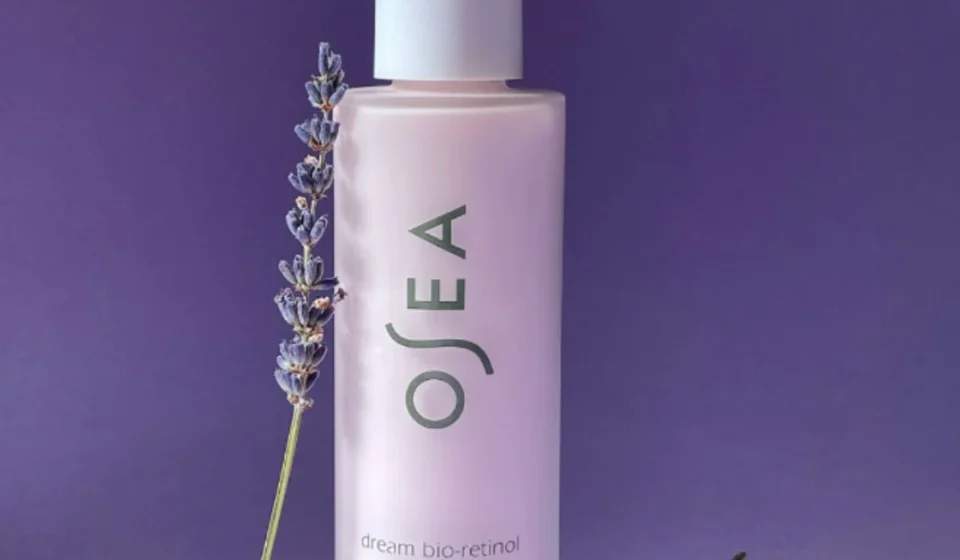
3. Dream Bio-Retinol Body Serum
A perfect option for those who find traditional synthetic retinols too harsh. This formula uses bio-retinol—a plant-derived alternative—paired with red seaweed and magnesium. It serves as both a treatment and a sensory experience, with lavender notes promoting relaxation before sleep.
4. Soft Services Software Update Retinol Body Serum
This product is specifically marketed as an "update" for the skin. It focuses heavily on skin-cell turnover, making it the ideal choice for individuals dealing with significant textural changes, such as laxity or persistent dullness.
5. Agent Nateur Body (Balm) Ageless Body Treatment Crème
While not a traditional retinoid, this honorable mention deserves a place on your shelf. It provides the deep, luxurious hydration and skin-smoothing benefits that many users seek from their anti-aging routine, making it a fantastic companion to a retinol serum or a standalone product for those with sensitive skin.
The Future of Body Care
The "body-care boom" is not merely a passing trend. As science continues to bridge the gap between facial and body dermatology, we can expect to see more specialized formulations. Future developments may include time-released capsules that provide 24-hour benefits or personalized body serums tailored to specific skin concerns like post-pregnancy stretch marks or severe sun damage.
Ultimately, the incorporation of body retinol is an act of long-term skin health. By treating your body with the same level of care as your face, you are investing in the resilience and vitality of your skin for years to come. Whether you choose to start with a gentle bio-retinol or a high-potency serum, the results—smoother, firmer, and more radiant skin—are well worth the effort.
Disclaimer: This article is for informational purposes only and does not constitute medical advice. Always consult with a dermatologist before starting any new skincare regimen, especially when incorporating active ingredients like retinoids. Pricing and product availability are accurate as of the time of publication and are subject to change by the respective retailers.