Bridging the Physical and Digital: How Clear Angle Studios is Redefining the VFX Pipeline

In the high-stakes world of modern visual effects, the boundary between physical reality and digital recreation is becoming increasingly porous. At the center of this evolution sits Clear Angle Studios, a name that has quietly become synonymous with the backbone of the contemporary VFX pipeline. No longer just a service provider for static geometry, Clear Angle has emerged as a critical technological partner for major studios, bridging the gap between raw physical capture and the cutting-edge requirements of neural rendering.
In a recent fxpodcast episode, Jamie Hearing, Digital Effects Supervisor at Clear Angle Studios, sat down to discuss the company’s trajectory, current technical capabilities, and the shift toward machine-learning-integrated production.
The Evolution of Capture: From Static Meshes to Neural Landscapes
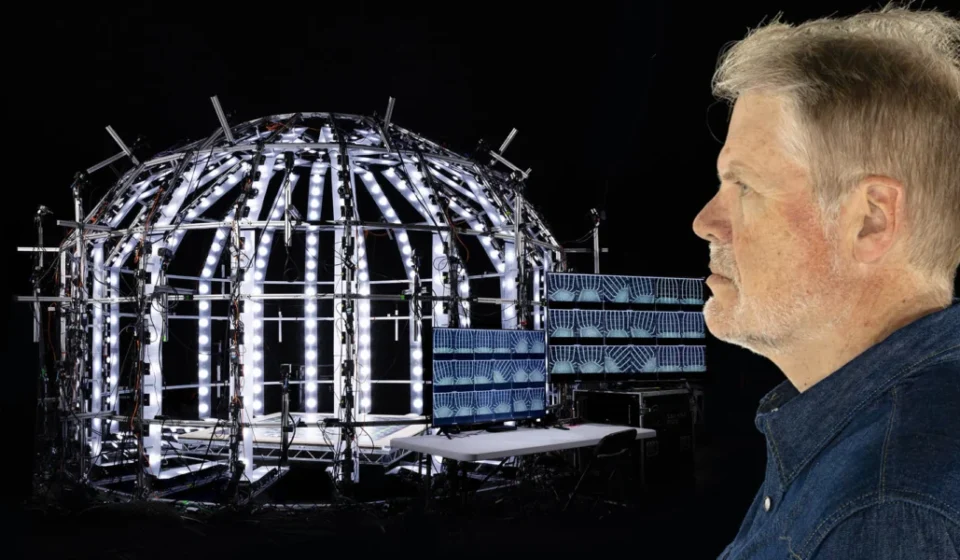
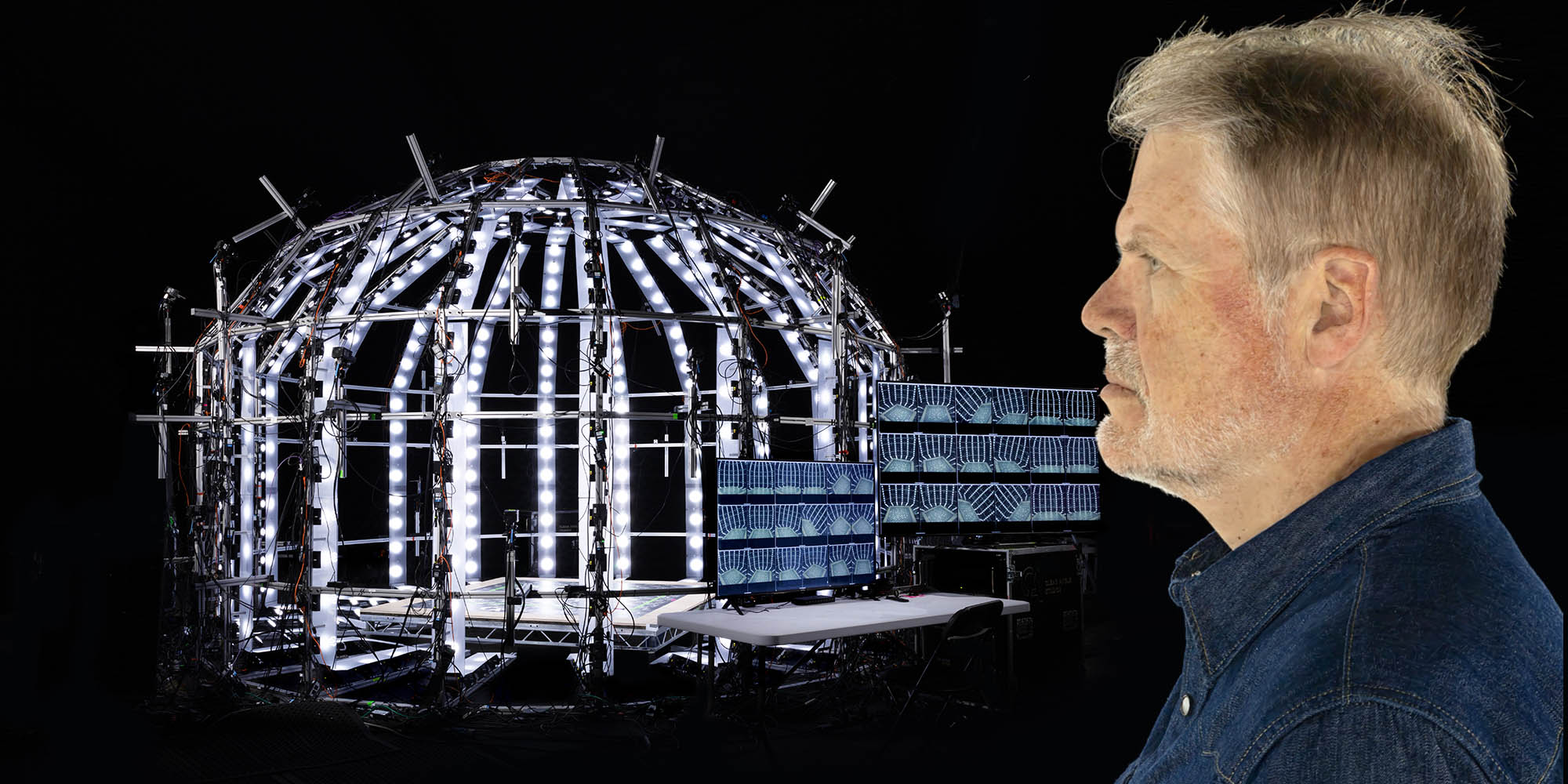
Clear Angle’s reputation was built on the precision of its scanning services, but the company’s current operations reveal a much more complex infrastructure. With 18 full-body scanning rigs deployed globally, the company has standardized the capture of human geometry. Each rig features a 24-camera array complemented by sophisticated LED lighting systems, designed to capture static poses with exacting fidelity in both geometry and texture.
However, as Jamie Hearing explains, the industry’s needs have evolved. "We are no longer just looking at a cleaned-up mesh for a conventional CG workflow," Hearing notes. The conversation is shifting toward radiance fields and Gaussian splatting. By leveraging neural rendering, Clear Angle is moving away from the limitations of polygon-based meshes, which often struggle with the complex physics of hair, fine transparency, and subtle light reflections. Instead, these new methodologies allow for the reproduction of what the cameras actually saw, offering a level of realism that was previously considered unattainable in traditional rendering pipelines.
Technical Chronology: Scaling the Pipeline
The growth of Clear Angle can be mapped through the development of its modular capture hardware. The company’s trajectory from specialized head-scanning to mass-volume environmental capture reflects the escalating scale of blockbuster production.
1. The Foundation: Full-Body and Head Scanning
At the company’s Pinewood facility, the standard process involves a meticulous calibration of multi-camera arrays. This setup ensures that even the most complex anatomical regions receive the necessary fidelity for digital double work. This foundation, established years ago, remains the bread and butter of their character work.
2. The Evolution of ‘Dorothy’
The "Dorothy" rig serves as a critical milestone in the company’s history. Originally designed for high-resolution facial scans and FACS (Facial Action Coding System) poses, it provided the platform for 4D facial performance capture. This hardware laid the groundwork for the more complex volumetric rigs used today.
3. The VCR (Volumetric Capture Rig)
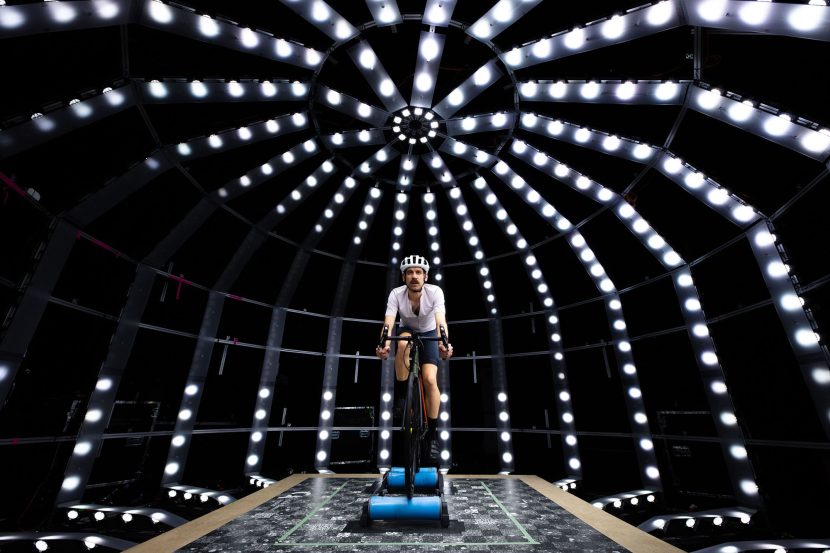
Representing the current state-of-the-art, the VCR is a modular, large-scale system utilizing 40 machine-vision cameras equipped with high-performance Sony sensors. This rig is capable of encompassing full characters or entire groups, maintaining synchronized lighting and high frame-rate capture. It is the bridge between the company’s legacy head-capture tech and the requirements of modern Gaussian splatting.
4. Integration of DI4D
Perhaps the most significant recent development is the integration of DI4D’s TopoTrack technology. By incorporating this into their workflow, Clear Angle now captures 4D performance data with consistent topology and texture correspondence. As Hearing highlights, human facial movement is inherently non-linear; 4D capture provides artists with a "ground truth" that static scans simply cannot replicate, ensuring that skin tension and muscular movement are preserved with anatomical accuracy.
Supporting Data: Large-Scale Environmental Capture
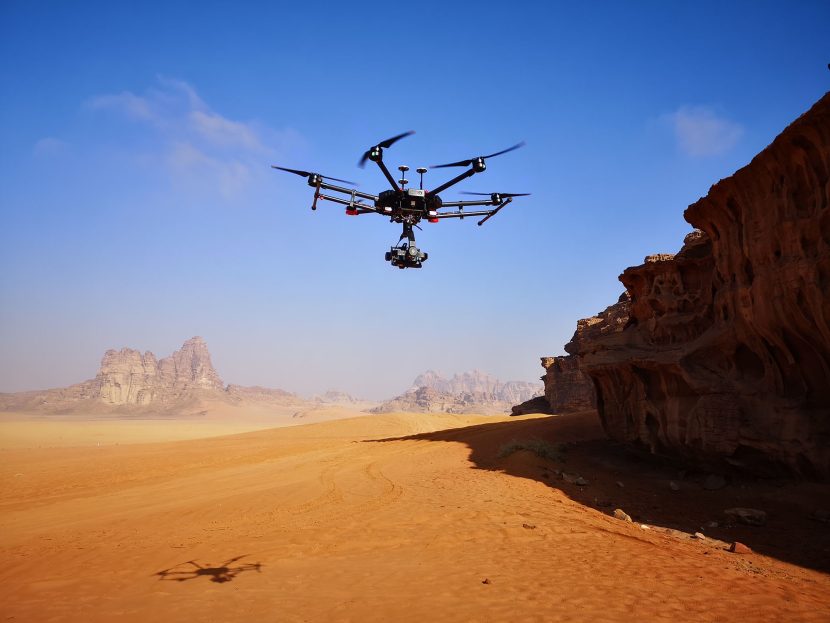
Beyond the human form, Clear Angle has tackled the logistics of vast, real-world environments. Recent expeditions—most notably in the rugged landscapes of Iceland—demonstrate the company’s capacity to synthesize massive amounts of data into usable VFX assets.
The challenge, according to Hearing, is not merely to capture data, but to capture the right data. This involves:
- LiDAR integration: Providing the structural bedrock for large-scale environments.
- Aerial and Drone Photogrammetry: Extending the capture range from close-up texture detail to expansive, cinematic establishing shots.
- Metadata Management: Ensuring that raw sensor fidelity is preserved, allowing VFX supervisors to make informed decisions downstream without needing to re-scan.
Official Perspective: The Human Element in Tech
Jamie Hearing’s career path—from his academic background at Bournemouth University to character work at DNEG and, ultimately, his role as a supervisor at Clear Angle—mirrors the multidisciplinary nature of the company.
When asked about the future, Hearing emphasizes that Clear Angle is positioned at the "intersection of scanning, data, and VFX craft." The company’s value proposition is increasingly shifting toward providing high-quality training data for machine learning models. As the industry moves toward AI-driven workflows, the demand for controlled, high-fidelity capture has never been higher. Scanning is no longer just for the final asset; it is the fuel for the AI pipelines that will define the next generation of VFX.
Implications: The Future of Production
The implications of Clear Angle’s current trajectory are profound for the VFX industry:
The Death of the "Good Enough" Asset
With the integration of neural rendering and 4D facial tracking, the tolerance for "uncanny valley" effects is narrowing. Studios are no longer willing to settle for approximations when they can have a neural-rendered representation of the actual performance.
Democratization of High-End Data
By creating modular systems like the VCR, Clear Angle is enabling smaller productions to access the same caliber of data as major feature films. This modularity reduces the overhead of high-end capture, potentially standardizing the use of volumetric data across a wider spectrum of entertainment media.
The Rise of the "Data-First" Pipeline
The industry is moving toward a model where the VFX pipeline is a data-processing chain rather than a purely manual artistic construction. Clear Angle’s focus on raw sensor fidelity and metadata-rich capture suggests that the future of VFX lies in how effectively we can feed the digital engine with the physical world’s complexity.
Conclusion
Clear Angle Studios has successfully transitioned from a scanning boutique to a cornerstone of modern digital production. By embracing the chaos of real-world capture and refining it through the lens of machine learning and neural rendering, they are solving the fundamental problem of VFX: how to translate the nuance of the physical world into a format that a computer can understand and manipulate.
As Jamie Hearing noted during his interview, the goal is to provide the "final 10 or 20 percent" of detail that separates a good effect from a perfect one. In an era where audiences are increasingly discerning, that remaining 20 percent is exactly where the future of cinema is being won. Clear Angle, with its blend of engineering precision and artistic intuition, is undoubtedly the company to watch as this transition unfolds.