
The history of cinema is littered with "what ifs"—projects that possessed the visual ambition of an epic and the heart of a classic, only to be crushed by the cold, unforgiving machinery of the box office. In the fantasy genre, where production budgets often balloon to astronomical heights to facilitate world-building and creature effects, the pressure to deliver a financial return is immense.
However, as any seasoned film historian will tell you, box office receipts are a commercial metric, not a barometer of artistic worth. A film’s failure to capture a mass audience during its theatrical run is rarely a reflection of its quality. Often, it is a byproduct of poor release timing, marketing miscalculations, or, in some cases, being simply too visionary for the cultural zeitgeist of the era. This article explores five such fantasy films—masterpieces that, despite their initial commercial stumbling, have secured their place in the pantheon of beloved cinema.
The Economics of Fantasy: Why Great Films Fail
To understand why these films flopped, one must look at the "blockbuster paradox." Fantasy films require massive capital investment to build new worlds. When a studio spends $100 million or more, they don’t just need a "good" movie; they need a global phenomenon.
Throughout the 1980s and 2000s, studios often overestimated the appetite for high-concept fantasy. While audiences flocked to established franchises like The Lord of the Rings or Harry Potter, original concepts or niche adaptations struggled to find their footing. When these films falter, the industry often misinterprets the data, erroneously deciding that audiences "don’t want" that specific brand of storytelling, when in reality, they simply weren’t marketed effectively or were released into a saturated marketplace.
1. The Dark Crystal (1982): The Shadow of the Muppets
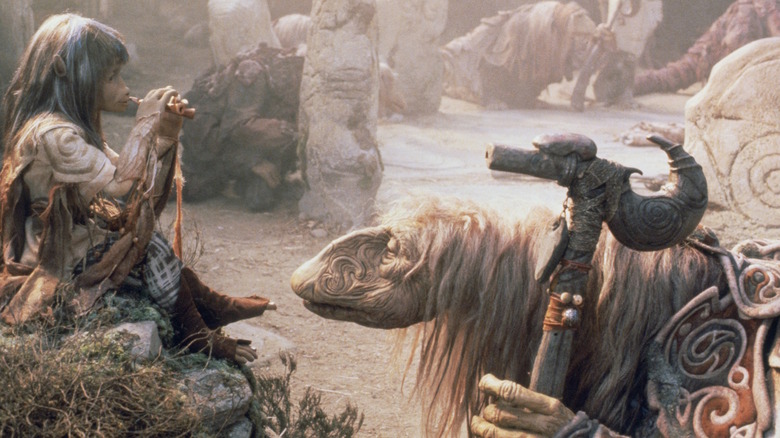
Jim Henson is a titan of puppetry, a man whose work with The Muppets defined a generation of family entertainment. When he announced The Dark Crystal, the public expected the whimsy and musicality of Kermit and Fozzie. What they received was a dark, brooding, and technically complex high-fantasy epic that felt more like a mythic nightmare than a Saturday morning cartoon.
The Chronology of a Cult Classic
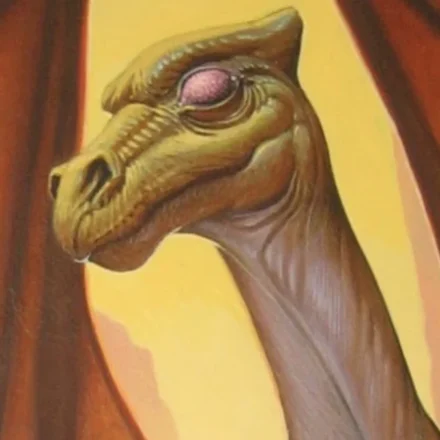
Released in December 1982, the film followed the Gelfling, Jen, on a perilous journey to restore a shattered crystal and save his world from the bird-like, parasitic Skeksis. The film utilized groundbreaking animatronics and practical effects that remain stunning to this day.
Why It Failed
The primary issue was a fundamental mismatch between brand expectation and product reality. Families brought their young children, expecting lighthearted humor, and were instead met with unsettling creature designs and a tone that skewed closer to fantasy-horror. It was a film ahead of its time, lacking the modern "young adult" label that might have helped it find its demographic.
The Legacy
Despite its lukewarm reception, The Dark Crystal eventually found its audience on home video and through subsequent generations discovering its unmatched artistry. Its vindication came decades later with Netflix’s The Dark Crystal: Age of Resistance, a prequel series that proved the world Henson built was not only viable but deeply resonant.
2. Reign of Fire (2002): The Apocalypse We Didn’t Expect
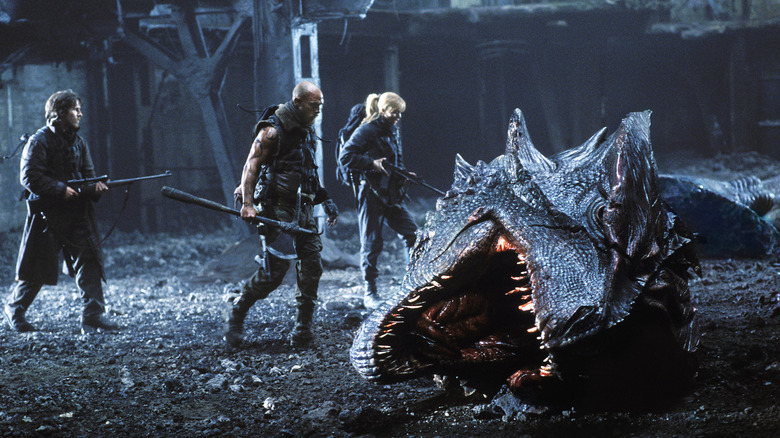
Few concepts sound as inherently "cool" as Reign of Fire: dragons returning to the modern world and turning Earth into a post-apocalyptic ruin. Directed by Rob Bowman, the film took its premise seriously, avoiding the campiness that usually accompanies creature features.
The Box Office Mismatch
With a budget of $60 million, the film grossed $82 million worldwide—a figure that, after accounting for marketing and theater cuts, spelled disaster. The film was simply lost in a summer dominated by the massive cultural footprint of Men in Black II and the horror-franchise draw of Halloween: Resurrection.
The Quality Argument
Reign of Fire is now cited by critics as one of the definitive dragon films. The chemistry between Christian Bale and Matthew McConaughey, paired with the gritty, grounded visual effects, elevated the film beyond a standard monster movie. It didn’t treat the dragons as mystical background dressing; it treated them as a terrifying, apex-predator reality. It remains a masterclass in tone, refusing to wink at the camera or apologize for its premise.
3. Where the Wild Things Are (2009): The Price of Vision
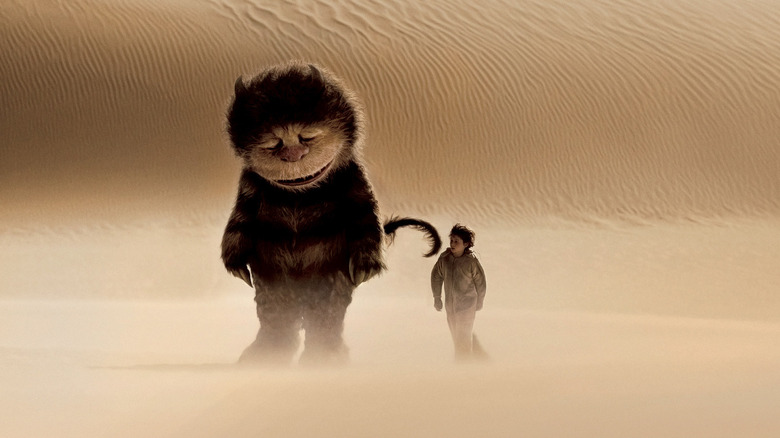
Adapting Maurice Sendak’s 10-page children’s book into a feature-length film was always going to be a risk. Director Spike Jonze, known for his surrealist sensibilities, turned the story into an exploration of childhood loneliness, abandonment, and the complexities of temper.
The Financial Burden
The production was plagued by ballooning costs and creative clashes, with the budget eventually hitting $100 million. While the film earned exactly $100 million at the global box office, it was a "flop" in the eyes of the studio, which expected a profit margin commensurate with the high marketing spend.
The Artistic Achievement
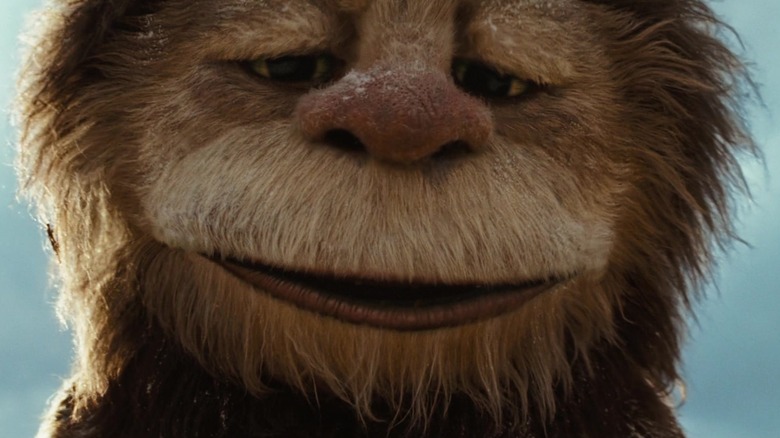
Jonze’s film is a triumph of emotional storytelling. By utilizing practical suits for the "Wild Things," he gave the characters a tangible weight that CGI simply cannot replicate. The film wasn’t meant to be a high-octane adventure; it was an introspective, melancholic, and deeply beautiful meditation on growing up. It is the gold standard for "visionary" filmmaking, proving that even if a film fails to net a profit, it can still win the war for cultural relevance.
4. Pete’s Dragon (2016): The Remake That Did Too Much
Disney’s strategy of remaking its animated classics has been a multi-billion dollar goldmine. However, 2016’s Pete’s Dragon—directed by the indie darling David Lowery—was a stark departure from the typical "live-action cash grab."
The Data Gap
Grossing $143 million against a $65 million budget, the film wasn’t a total failure, but it was a "disappointment" compared to the massive hauls of films like The Jungle Book. Because it lacked the brand-name recognition of the "Disney Princess" catalogue, it was sidelined by both the studio and the general public.
Implications for Future Storytelling
Lowery’s film was quiet, earnest, and deeply sentimental. It avoided the frenetic pacing of modern blockbusters, favoring a pastoral, slow-burn approach. Its failure sent a discouraging message to studios: audiences may claim they want "originality" and "heart," but they often vote with their wallets for spectacle. Pete’s Dragon stands as proof that sometimes the best films are those that prioritize soul over mass-market appeal.
5. Dungeons & Dragons: Honor Among Thieves (2023): The Modern Tragedy
The most recent entry on this list is perhaps the most painful. After the disastrous 2000 Dungeons & Dragons film, the brand was considered radioactive. When filmmakers Jonathan Goldstein and John Francis Daley finally cracked the code in 2023, they produced a film that was funny, visually inventive, and faithful to the spirit of tabletop gaming.
The Competition Factor
The film’s $150 million budget required a massive global reach, but it arrived at a time when the box office was dominated by the juggernaut of The Super Mario Bros. Movie. Despite critical acclaim, the film grossed only $205 million.
The "Marvel" Trap
The industry’s obsession with "Marvel-sized" returns is precisely what makes Honor Among Thieves a tragedy. It was a perfect, self-contained adventure that didn’t need a massive universe to function. It was, in many ways, the best-case scenario for IP adaptation. Its failure to secure a sequel is a testament to the rigid, binary thinking of modern Hollywood: a movie is either a franchise-launching hit or it is considered a wasted asset.
Conclusion: The Long-Term Value of "Flops"
The history of these five films reveals a recurring pattern: the box office is a snapshot, but the legacy is a long-term investment. In an era of streaming, where films are easily accessible long after their theatrical run, the "flop" label is losing its teeth.
For the audiences who cherish these stories, the box office numbers are irrelevant. We do not value The Dark Crystal because it made millions in 1982; we value it because it shaped our imagination. We do not watch Reign of Fire to support the studio’s bottom line; we watch it because it is an exhilarating piece of monster-movie craft. Hollywood may define these films by their red ink, but history defines them by their impact. Ultimately, the true success of a fantasy film is not found in the ledger, but in the enduring wonder it leaves behind.