The Frontier Reclaimed: Why Classic Westerns Are Finding a Second Life on Free Streaming

The Western, as a genre, has been pronounced dead more times than a classic gunslinger in a desert shootout. Critics throughout the 1970s and 80s often argued that the era of the cowboy had been relegated to the annals of history, superseded by the grit of urban noir and the spectacle of science fiction. Yet, the genre persists, buoyed by a modern renaissance spearheaded by creators like Taylor Sheridan.
To understand this resilience, one must look at the Western not merely as a collection of tropes—the Stetson, the spurs, and the six-shooter—but as the American equivalent of the Arthurian legend. As Taylor Sheridan has eloquently argued, the post-Civil War era in the United States functions as our "medieval period." It is the crucible in which the national character was forged, defined by vast, untamed landscapes and the uneasy transition from lawlessness to order. Because the United States remains inextricably linked to its foundational myths, the Western can never truly die; it simply waits for the next generation to rediscover the campfire.
Today, thanks to the rise of Ad-supported Video On Demand (AVOD) platforms, the greatest chapters of this American epic are no longer locked behind high-priced cable subscriptions. Services like Tubi, Pluto TV, and The Roku Channel are effectively serving as digital national heritage sites, granting the public unrestricted access to the mid-20th-century television shows that defined the genre.
The Evolution of the Frontier on Screen: A Chronology
The mid-20th century was the golden age of the televised Western, a time when networks flooded the airwaves with stories of pioneers and lawmen. Understanding the evolution of these shows requires a look at their historical trajectory:
- 1952: Death Valley Days transitions from radio to television, establishing the anthology format that would allow for diverse storytelling.
- 1955: Gunsmoke premieres on CBS, shifting the tone of the genre toward "adult" themes and psychological realism.
- 1958: Wanted: Dead or Alive introduces a new type of protagonist: the morally conflicted, solitary bounty hunter, launching Steve McQueen to stardom.
- 1959: Bonanza and Rawhide debut, bringing high-production value and familial stakes to the frontier.
- 1970s: The "death" of the traditional Western occurs on network television as audiences shift toward more contemporary, cynical programming.
- Present Day: The democratization of streaming brings these archives back to life, allowing a new generation to binge-watch the foundations of the genre for free.
The Titan of the Plains: Gunsmoke (1955–1975)
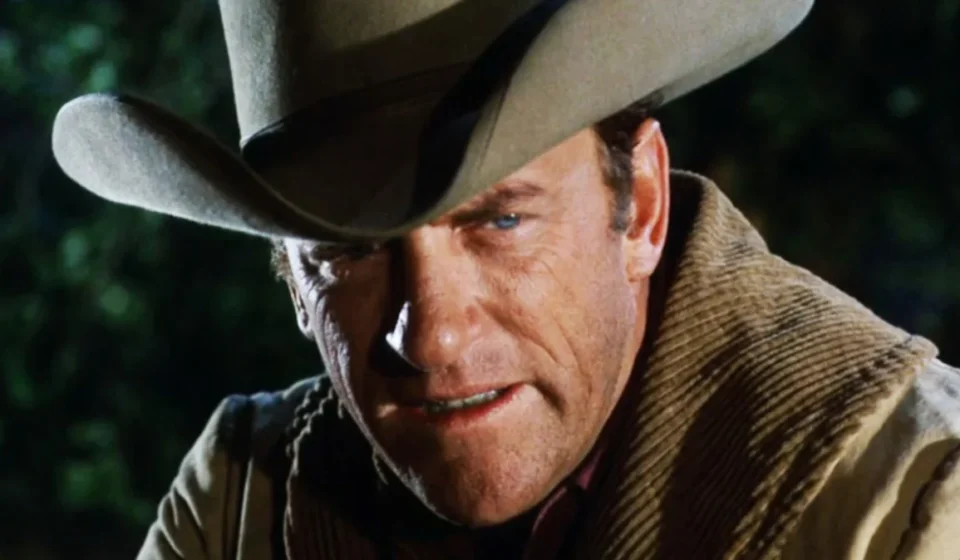
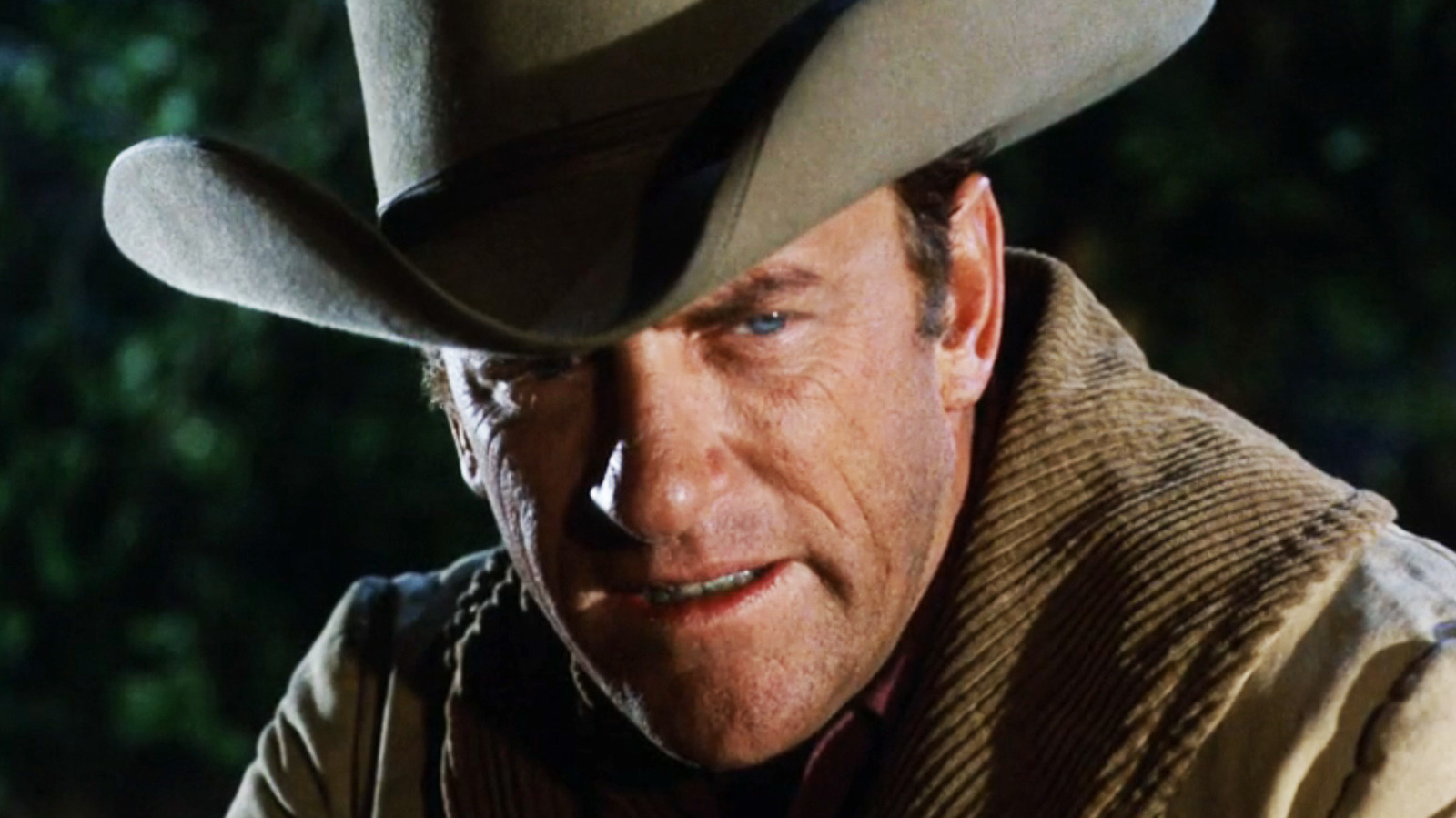
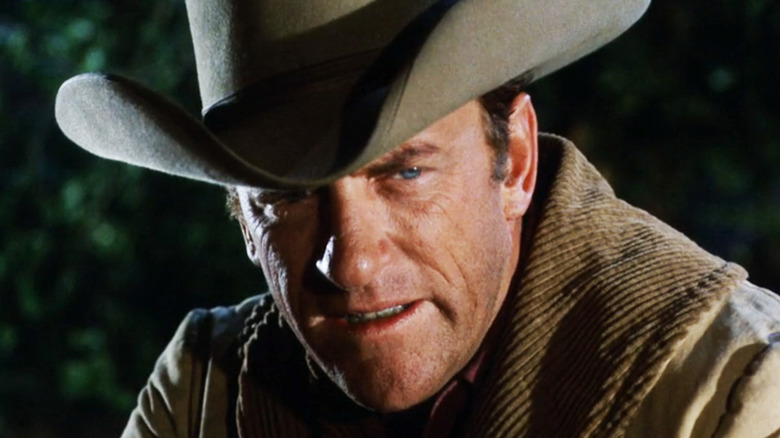
Often cited as the "granddaddy" of the Western, Gunsmoke remains a masterclass in longevity and thematic depth. When it debuted in 1955, it arrived with a unique seal of approval: an introductory endorsement from John Wayne himself. Wayne, who had been offered the role of U.S. Marshal Matt Dillon but turned it down, introduced James Arness to the world, declaring the show "honest, adult, and realistic."
These were not empty descriptors. Gunsmoke was a pivot point for the genre. It moved away from the one-dimensional, white-hat morality that characterized earlier serials. By focusing on the psychological burden of a man tasked with maintaining order in a violent, chaotic Dodge City, the series allowed for complex character arcs that spanned two decades. With 635 episodes available on Pluto TV, it is the most significant archive of the Western experience, representing 20 years of American television history that refuses to fade.
The Anthology Standard: Death Valley Days (1952–1970)
If Gunsmoke was the epic novel, Death Valley Days was the essential collection of short stories. Originally created as a marketing vehicle for the Pacific Coast Borax Company—a fascinating piece of corporate-history-meets-pop-culture—the show evolved into a prestige anthology series.
The brilliance of Death Valley Days lay in its flexibility. Because it was an anthology, it could pivot from lighthearted comedy to harrowing drama in the span of a single week. Its commitment to "historical-adjacent" storytelling gave it an air of legitimacy that few other programs possessed. Furthermore, it served as a launchpad for future legends; the series famously featured performances by Clint Eastwood, George Takei, and James Caan. Even Ronald Reagan graced the series as a host between 1964 and 1966. For those who want to experience the breadth of Western storytelling, all 18 seasons are currently streaming on Tubi.
The Family Frontier: Bonanza (1959–1972)
While many Westerns focused on the lone ranger, Bonanza brought the focus home to the Ponderosa. The story of Ben Cartwright and his three sons—Adam, Hoss, and Little Joe—introduced a family-centric dynamic that resonated with a post-war American audience looking for stability.
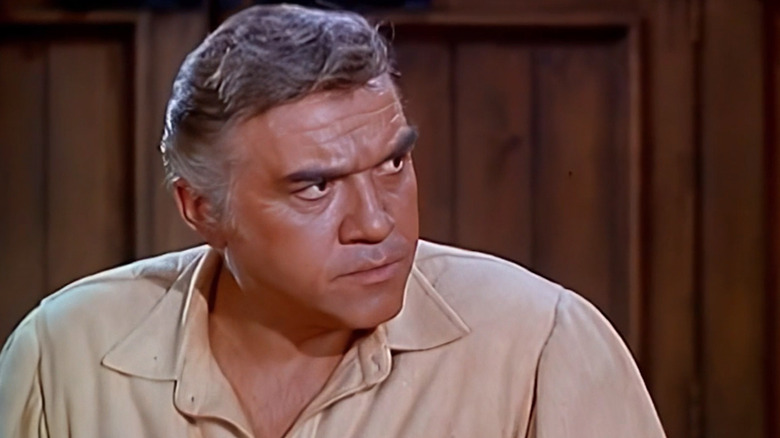
The series is a landmark in television history, not just for its 14-season run, but for its pioneering use of color television to showcase the majesty of the Lake Tahoe region. While only select episodes from the early seasons are currently available on free platforms like Tubi, Xumo, and The Roku Channel, the show remains a vital piece of the Western canon. It proved that a Western could be about the "vicissitudes of life" rather than just the frequency of gunfire.
The Evolution of the Anti-Hero: Wanted: Dead or Alive (1958–1961)
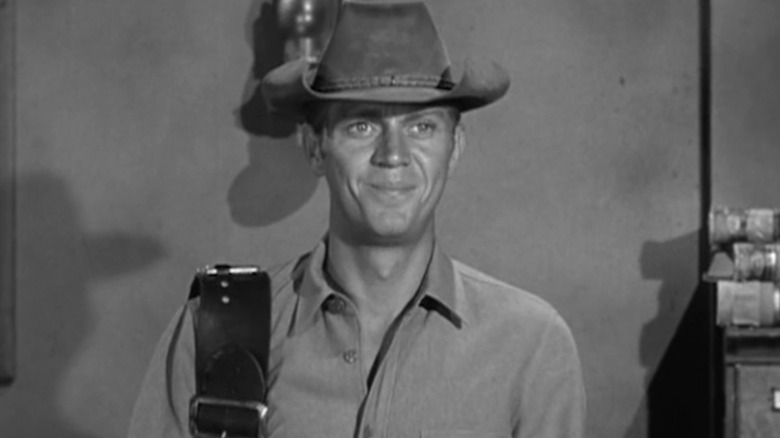
Before Steve McQueen was a silver-screen icon, he was Josh Randall, the bounty hunter with a conscience. Wanted: Dead or Alive represents a critical transition in the Western hero. Randall was not a sheriff; he was a man operating in the grey areas of the law.
The series is particularly noteworthy for its subversion of expectations. In several episodes, Randall makes decisions that cost him money and physical comfort in favor of moral integrity. This nuance made him a precursor to the "Man with No Name" archetype. Spanning 94 episodes, the show provides a concise, high-quality look at the birth of the modern anti-hero. It is currently available in its entirety on Tubi, offering a perfect entry point for viewers who prefer shorter, high-impact storytelling over the massive multi-season commitments of Gunsmoke or Bonanza.
The Crucible of Stardom: Rawhide (1959–1965)
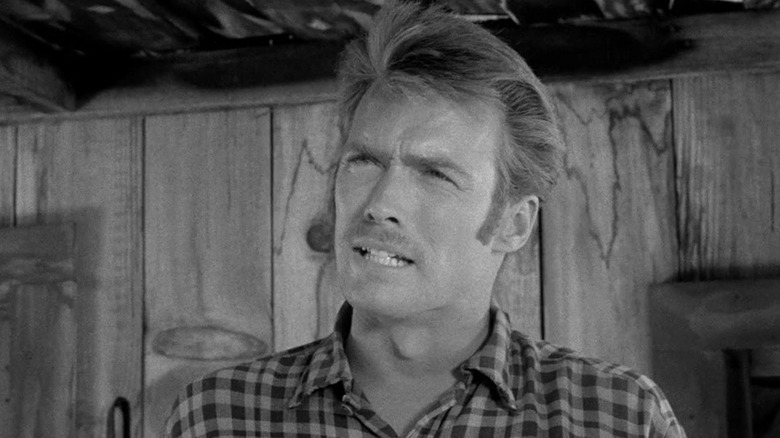
For many, Rawhide is synonymous with the rise of Clint Eastwood. As Ramrod Rowdy Yates, Eastwood spent years on the cattle trail, a grueling environment that forced him to sharpen his screen presence and timing.
The series was far more than a stepping stone for its lead actor, however. Rawhide was a gritty, grounded look at the logistics of the cattle drive, often tackling social issues like racism and the lingering trauma of the Civil War. It rejected the "simple good guy vs. bad guy" trope in favor of depicting the harsh reality of life on the trail. Watching Rawhide today, one can see the exact moment the "Man with No Name" began to coalesce within Eastwood’s performance. All eight seasons are available for free on Pluto TV, offering an invaluable look at the evolution of an American icon.
Implications for the Modern Viewer
The migration of these classic series to free, ad-supported streaming services has profound implications for the cultural preservation of the Western.
- Accessibility as Preservation: By removing the paywall, these platforms ensure that these shows remain part of the public consciousness rather than being relegated to expensive, out-of-print physical media.
- Generational Bridging: These services allow younger viewers, who might be fans of the "Sheridan-verse" (such as Yellowstone or 1883), to trace the DNA of those shows back to their source.
- Educational Value: As we reckon with our history, these shows provide a window into how the mid-20th century viewed the 19th-century frontier. While they often carry the biases of their own time, they are vital documents in the history of American media and myth-making.
Ultimately, the Western remains the most enduring genre in American storytelling because it forces us to confront our origins. Whether through the familial warmth of Bonanza or the gritty, philosophical inquiries of Gunsmoke, these series remind us that the frontier was never just a place on a map—it was a state of mind. With these titles now available to everyone, the fire of the American West continues to burn, providing warmth and perspective to any viewer willing to saddle up and tune in.