
By Alex Billington
July 21, 2026
In the annals of horror history, few films have managed to sustain the level of visceral terror and cultural relevance as Tobe Hooper’s 1974 masterpiece, The Texas Chain Saw Massacre. Over five decades after it first crawled out of the Texas heat and onto the big screen, the film remains a touchstone for the genre—a grit-stained, sweating nightmare that defined the slasher archetype long before the term became a staple of pop culture. Now, as we approach August 18, 2026, Dark Sky Films and Fathom Events are inviting audiences to return to the Sawyer farmhouse for a special celebration: "Texas Chain Saw Day."
This is not merely a standard theatrical re-release. It is a bold, experimental reimagining that bridges the gap between 1970s guerrilla filmmaking and the meticulous, labor-intensive craft of modern animation.
The Main Event: A Vision Reborn
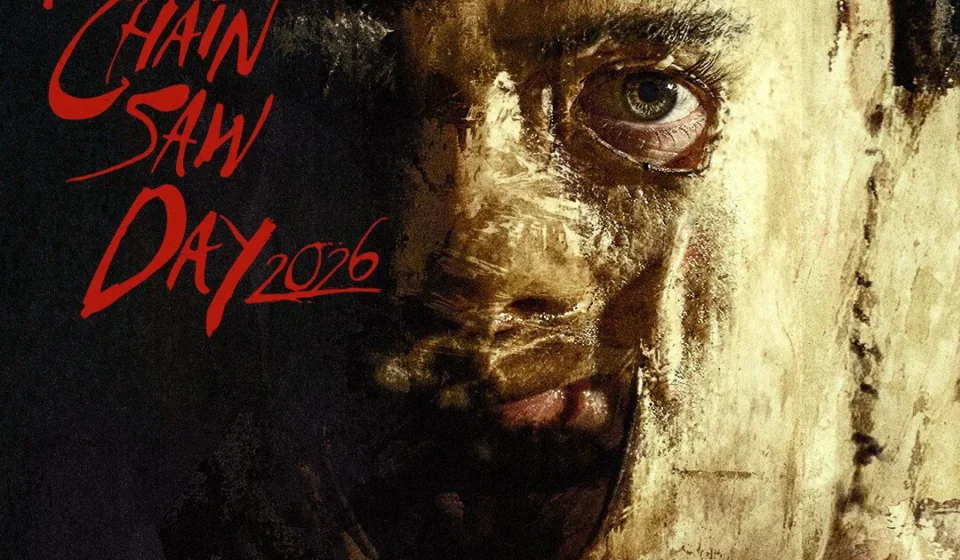
The headline for this year’s commemoration is as surprising as it is ambitious. While the 2024 50th-anniversary 4K restoration set a high bar for visual fidelity, the 2026 celebration takes a radical turn. Reports from Bloody Disgusting confirm that the upcoming screening will feature a unique, fully rotoscoped version of the film.
Helmed by director Paul Beck—a veteran of the rotoscoping craft whose previous work on Richard Linklater’s A Scanner Darkly and Apollo 10 1/2 set industry standards—this new iteration promises to strip away the "documentary-like" haze of the original 16mm film and replace it with a haunting, hyper-stylized aesthetic. Crucially, the production team has emphasized that this is an entirely analog-adjacent process; there is no AI assistance involved. Every frame has been painstakingly rendered by hand, preserving the original performances of Marilyn Burns, Gunnar Hansen, and the rest of the ensemble while providing a fresh, unsettling visual texture that feels both contemporary and deeply eerie.
A Chronology of Terror: From 1974 to 2026
To understand the significance of this event, one must look at the timeline of the franchise’s evolution.

- October 11, 1974: The Texas Chain Saw Massacre is unleashed on an unsuspecting public. Produced on a shoestring budget of less than $140,000, the film was a grueling ordeal for cast and crew alike, filmed in the sweltering Texas heat. It quickly became a lightning rod for controversy, banned in several countries for its perceived violence.
- The Mid-70s to 90s: The film transitions from a grindhouse curiosity to an enshrined piece of Americana, spawning numerous sequels, prequels, and reboots, none of which ever quite captured the raw, documentarian dread of Hooper’s original.
- October 1, 2024: Following an exhaustive 4K restoration, Dark Sky Films brings the original masterpiece back to theaters for its 50th anniversary. The reception proves that the film’s power has not waned; a new generation of horror fans experiences the terror of Leatherface on the big screen.
- August 18, 2026: "Texas Chain Saw Day." This event marks a departure from traditional exhibition, introducing the rotoscoped reimagining and a special behind-the-scenes featurette exploring the technical evolution of the film’s visual language.
Supporting Data: The Economics of Fear
The enduring legacy of The Texas Chain Saw Massacre is supported by remarkable financial and cultural metrics. Despite its humble beginnings, the film grossed over $30 million during its initial theatrical run—an astronomical return on investment in 1974 dollars.
The film’s success in the modern era is equally impressive. The 2024 4K restoration sold out shows across North America, proving that horror audiences remain hungry for "analog" terror in an era dominated by CGI spectacles. The choice to utilize rotoscoping for the 2026 event is a strategic move by Dark Sky and Fathom to capitalize on the "prestige horror" trend, where high-concept art-house aesthetics are used to repackage legacy content for a sophisticated, modern audience. By leaning into the "painstaking art" of hand-drawn animation, the distributors are positioning this screening not just as a movie, but as a gallery-level installation.
Official Responses and Creative Intent
Director Paul Beck has been vocal about the importance of keeping the human element in the project. "In an age where generative AI threatens to replace the soul of animation," Beck noted in recent discussions, "it was vital that Texas Chain Saw Day be a tribute to human labor. Rotoscoping is a dialogue between the original performance and the artist’s hand. We aren’t changing the film; we are interpreting it through a new lens of light and shadow."
Dark Sky Films has echoed this sentiment, framing the event as a celebration of Tobe Hooper’s directorial prowess. The inclusion of an exclusive featurette is intended to educate the audience on why Hooper’s composition and editing remain a masterclass in tension-building. The goal, according to event organizers, is to provide a "360-degree look" at why the film continues to influence every major horror director working today, from Ti West to Ari Aster.
Implications: The Future of Legacy Media
What does "Texas Chain Saw Day" mean for the broader film industry? It signals a shift in how studios view their "back catalog." Rather than simply remastering or color-grading, companies are increasingly looking for ways to "remix" classic films to create new theatrical events.
This strategy solves several problems for distributors:

- Eventization: In an era where streaming services host almost everything, the theatrical experience must offer something unique to draw crowds. A rotoscoped, one-night-only event provides that "must-see" urgency.
- Cultural Preservation: By focusing on the craft (rotoscoping), the distributors are elevating the status of the film from "exploitation horror" to "cinematic art."
- Audience Engagement: By involving the fans in a "day" rather than just a screening, Fathom is building a community-centric model that turns the cinema into a hub for horror enthusiasts.
However, the move also carries risks. Purists may view the rotoscoping of a classic as an unnecessary alteration of Hooper’s vision. Yet, the history of The Texas Chain Saw Massacre is one of constant reinvention—a story of a group of youths stumbling into a nightmare that keeps evolving.
Final Thoughts: Returning to the House
As August 18th approaches, the question for many is not whether they should see it, but whether they can handle the intensity of the experience once more. The Texas Chain Saw Massacre remains a violent, confrontational, and deeply unsettling film. It captures a specific moment in American history—a period of social and political malaise—that feels strangely resonant in 2026.
Whether you are a devotee who has memorized every frame of the original or a newcomer curious about the legend of the Sawyer family, the upcoming Texas Chain Saw Day offers a rare opportunity to engage with a piece of history that refuses to die. It is a testament to Tobe Hooper’s vision that fifty-two years later, we are still whispering about the man in the mask, still feeling the hum of the chainsaw, and still finding new ways to be terrified.
For those planning to attend, tickets and location details are available through the Fathom Events official portal. Just remember: if you hear something, don’t wait for the chainsaw. Stop. And run.
For more on the history of this horror classic, revisit the 50th Anniversary coverage, or explore our archives on the influence of 1970s exploitation cinema.