Science-Fiction Epic "Hope" Dominates South Korean Box Office in Record-Breaking Weekend

The South Korean cinematic landscape experienced a seismic shift this past weekend, as the highly anticipated science-fiction survival thriller Hope decimated the competition, signaling a robust return to form for local theatrical exhibition. According to the latest data provided by the Korean Film Council’s (KOFIC) tracking service, KOBIS, the domestic market witnessed a massive surge in attendance and revenue, largely propelled by the arrival of director Na Hong-jin’s latest genre-bending spectacle.
The Rise of "Hope": A Genre-Defining Success
During the three-day window of July 17–19, Hope stormed to the top of the South Korean box office with a commanding performance. The blockbuster generated an impressive $11.3 million in ticket sales, accounting for 1,504,019 admissions. This figure represents a staggering 66.62% share of the total market revenue for the weekend, effectively turning the rest of the top ten list into a battle for second place.
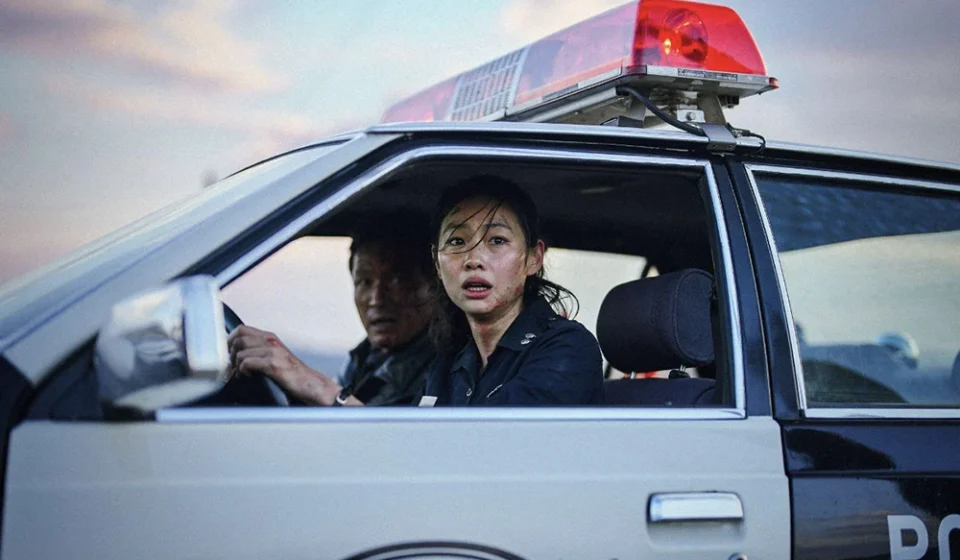
The film’s narrative—a high-stakes survival thriller centered on the residents of a remote, isolated harbor village who encounter a mysterious alien entity on the outskirts of their community—has clearly struck a chord with domestic audiences. As the quiet town is transformed into a desperate battleground for survival, the film masterfully blends the visceral intensity expected of director Na Hong-jin with the scale of an international blockbuster.
The production is a testament to the growing trend of cross-cultural collaboration in South Korean cinema. Featuring an ensemble cast that bridges the gap between East and West, Hope stars Korean heavyweights Hwang Jung-min, Zo In-sung, and Jung Ho-yeon, alongside international stars Michael Fassbender and Alicia Vikander. Capitalizing on aggressive pre-release marketing and a successful run of preview screenings, the film has already amassed a cumulative gross of $16 million from 2,129,723 total admissions, setting a pace that suggests it will remain a dominant force for weeks to come.
A Weekend of Contrasts: The Broader Market Performance
While Hope undeniably claimed the lion’s share of the weekend’s spoils, the broader market showed signs of significant revitalization. The total market collective gross for the weekend reached $17.1 million, a substantial leap from the previous week’s total of $8.2 million. This jump illustrates the "blockbuster effect," where a single massive tentpole film functions as an engine for the entire theatrical ecosystem, drawing in casual viewers who then explore other offerings.
The Mid-Tier Landscape
The second position was claimed by the family-oriented feature Minions & Monsters, which debuted to a solid $2.1 million from 308,575 admissions. With a total local cume now sitting at $2.6 million, the film is performing within expectations for the competitive summer season.
In its second week, the animated feature Moana shifted to third place, collecting $1.2 million from 173,555 admissions. Having brought its South Korean cumulative haul to $5.6 million from 772,104 total viewers, Moana continues to maintain a steady, if slightly decelerating, presence in the market.
Toy Story 5, a long-standing fixture in the top five, captured fourth place with an additional $834,989. Since its mid-June premiere, the franchise entry has proven to be a reliable earner, pushing its total local footprint to a remarkable $19.1 million from 2,750,183 total admissions.
Psychological Thrills and Niche Successes
The fifth spot was held by the psychological horror-remake The Eyes. Directed by Yeom Ji-ho and featuring a standout performance by Shin Min-ah and Kim Nam-hee, the film has displayed extraordinary longevity. In its fourth frame, it generated $552,784, bringing its cumulative total to $9.9 million. The film’s ability to remain in the top five for nearly a month is a rare feat for a horror-thriller, suggesting strong word-of-mouth and high repeat-viewing rates.
Rounding out the list, the faith-based animated musical David took the sixth spot, successfully crossing the million-dollar threshold. The viral hive-mind thriller Colony, directed by the visionary Yeon Sang-ho, continues its extended residency in the top ten. Despite being in theaters since May 21, the film added $92,196 to its coffers, bringing its massive cumulative total to $42.2 million from 5,941,130 tickets.
The bottom of the top ten was rounded out by niche and franchise titles, including the Japanese animated feature Doraemon the Movie: New Nobita and the Castle of the Undersea Devil ($42,042), Josh Safdie’s Marty Supreme ($48,551), and the specialized animation Bleach: Thousand-Year Blood War – The Calamity ($30,669).
Chronology of Market Dynamics: July 17–19
The weekend’s performance can be analyzed as a classic "wedge" strategy, where the dominant release of Hope acted as the primary driver for theater attendance.
- Friday, July 17: Hope began its run with a massive opening day, capturing the bulk of prime-time screening slots. The immediate surge in ticket sales was bolstered by the international star power of Fassbender and Vikander, which garnered significant media attention in the South Korean press.
- Saturday, July 18: The film saw its peak performance as weekend crowds flocked to multiplexes. According to KOBIS, the Saturday haul for Hope alone accounted for nearly 40% of the total weekend revenue for the entire industry.
- Sunday, July 19: The market remained elevated, with family-oriented films like Minions & Monsters and Toy Story 5 seeing a slight uptick in afternoon matinee admissions, balancing out the more mature demographic attracted by Hope and The Eyes.
Implications for the Future of South Korean Cinema
The success of Hope provides several critical insights into the current trajectory of the Korean film industry.
First, the "Hybrid Blockbuster" model—defined by the fusion of high-concept local storytelling with international cast members—has proven to be a highly effective strategy. By integrating Western stars into a distinctly South Korean genre aesthetic, producers are effectively widening the film’s appeal, making it a viable product for both domestic and international markets.
Second, the market’s resilience in the face of diverse content types is encouraging. The presence of a psychological horror film like The Eyes remaining in the top five alongside a massive sci-fi epic shows that the South Korean audience remains discerning and eager for variety. The industry is currently moving away from a "monoculture" of releases, favoring instead a mix of high-budget spectacles and lower-budget, high-concept genre films.
Finally, the role of local distributors and the Korean Film Council cannot be understated. The aggressive tracking and transparent reporting provided by KOBIS continue to provide stakeholders with the data necessary to adjust marketing strategies in real-time. As the industry looks toward the late summer season, the massive success of Hope has effectively reset the bar for what a successful theatrical opening looks like in the post-pandemic era.
Closing Analysis
The box office results for the weekend of July 17–19 underscore a pivotal moment for the South Korean exhibition sector. With Hope establishing itself as the undisputed leader of the summer, the industry has successfully demonstrated its capacity for large-scale production and massive consumer engagement.
While franchise films and established animations continue to provide a stable "floor" for total market revenue, it is the ambitious, high-risk, high-reward projects like Hope that drive the "ceiling" of market potential. As the film continues its theatrical run, the industry will be watching closely to see if its momentum can be sustained into the fall, or if other upcoming releases can challenge its current, seemingly insurmountable, dominance. For now, the message from the box office is clear: audiences are hungry for spectacle, they are willing to return to the cinema in record numbers, and they are ready to embrace a new era of globalized, high-octane South Korean storytelling.