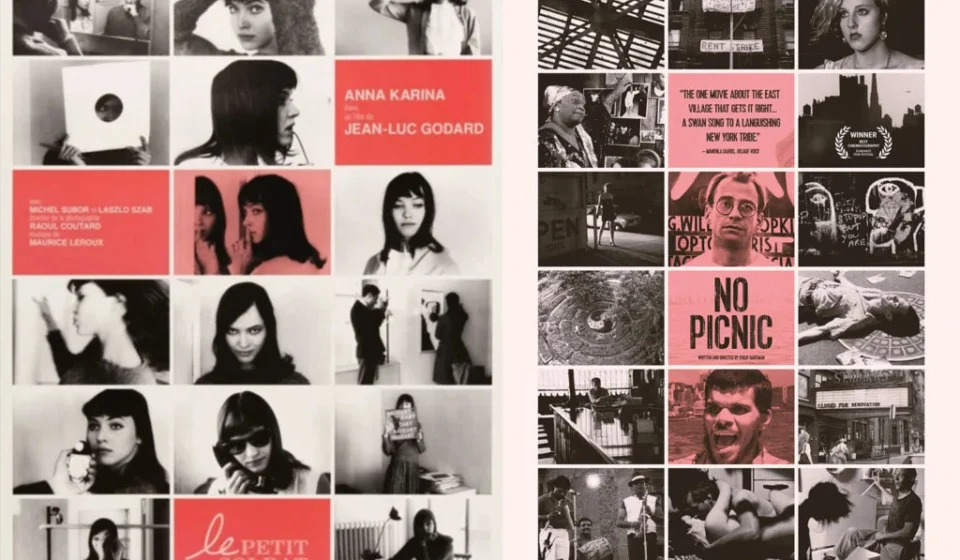

In the annals of American independent cinema, few stories are as improbable—or as heartwarming—as the recent rediscovery of No Picnic (1986). A gritty, luminous, and deeply ethnographic portrait of New York’s Lower East Side in the mid-1980s, the film spent nearly four decades in relative obscurity. Yet, in the spring of 2025, it emerged from the shadows to become a box-office phenomenon at Manhattan’s prestigious Film Forum, outperforming established classics and proving that the struggle for artistic survival in the city is a timeless, resonant narrative.
A Product of the NoHo Underground
The genesis of No Picnic is rooted in the hustle of 1980s New York. Phil Hartman, a quintessential downtown polymath and co-founder of the legendary Great Jones Cafe, decided to channel the profits from his Cajun-inspired NoHo watering hole into a cinematic experiment. Alongside experimental filmmaker Peter Hutton, who provided the film’s distinctive, lustrous black-and-white 16mm cinematography, Hartman set out to capture a neighborhood on the precipice of irreversible change.
The film is a noirish, episodic ramble through the Lower East Side—a district then being aggressively rebranded by real estate interests as the "East Village." Completed in 1987 with the help of funding from Wim Wenders’s production house, Gray City Films, and the nascent success of Hartman’s next venture, Two Boots Pizza, the project was never intended to be a blockbuster. It was, first and foremost, a document of a dying era.
A Chronology of Obsolescence and Recovery
The journey of No Picnic from a Sundance award-winner to a long-lost artifact is a testament to the volatility of the independent film industry.
The Initial Spark (1985–1990)
Upon its completion, the film garnered critical acclaim, notably winning the cinematography award at the 1987 Sundance Film Festival. Despite this initial success, structural obstacles prevented a wider release. Gray City Films, which had intended to leverage the film to help purchase and operate the historic St. Mark’s Cinema, folded before the deal could be finalized. It was only through the intervention of Jonas Mekas, the titan of avant-garde cinema, that the film secured a home at Anthology Film Archives. A glowing review from The Village Voice critic Manohla Dargis helped propel the film to a successful six-week run in 1990.
The Long Hiatus (1990–2025)
For the next 35 years, No Picnic effectively vanished from the cultural conversation. Hartman became occupied with the expansion of his Two Boots empire, which eventually included a 99-seat repertory theater, the Pioneer Theater. During these decades, the film existed primarily as a dusty VHS or DVD on the shelves of the Two Boots Video Store. When the Pioneer Theater shuttered in 2008 due to skyrocketing rents, it seemed the final nail in the coffin for the film’s public life.
The Resurrection (2025)
The film’s revival began with a series of serendipitous connections. Mary Engel, daughter of the legendary neorealist filmmakers Morris Engel and Ruth Orkin, introduced Hartman to programmer Jake Perlin, who operates The Film Desk—a boutique distribution company specializing in neglected cinema. Perlin, having studied under Peter Hutton at Bard, recognized the historical weight of the film. Following a successful restoration and a high-profile premiere at the Museum of Modern Art’s "To Save and Project" series in early 2025, the stage was set for a theatrical return.
The Heart of the Neighborhood: Performance and Place
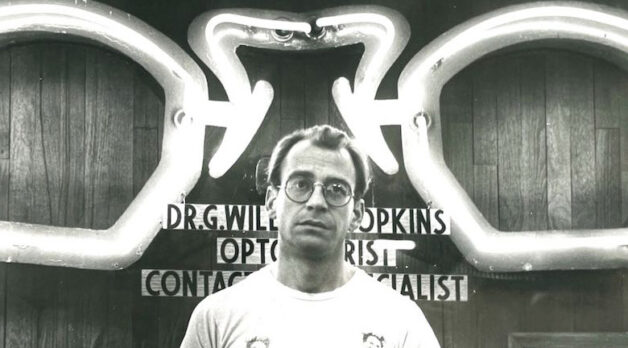
At the center of No Picnic is David Brisbin, who plays Mac, a 30-something former musician navigating the precarious existence of the 1980s urban creative. Mac’s life is defined by the mundane: stocking jukeboxes and cigarette machines, navigating romantic entanglements, and watching the institutions of his youth vanish.
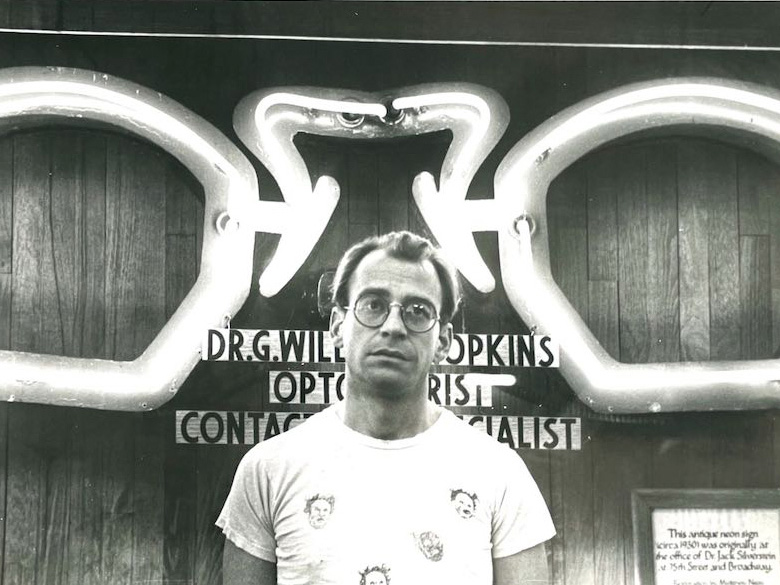
The film serves as a "who’s who" of the era’s downtown scene. It features cameos from luminaries like Luis Guzmán, Steve Buscemi, and filmmaker Lewis Klahr, with a memorable turn by musician Richard Hell as an irate neighbor. Yet, the film’s true star is the neighborhood itself. Hartman famously remarked that he and his crew were "racing around" to film landmarks like Adam Purple’s Garden and Bleecker Bob’s Records, fully aware that they were capturing a vanishing tribe.
Supporting Data: An Unprecedented Theatrical Run
When No Picnic opened at Film Forum on April 17, 2025, expectations were modest. The theater was already hosting a high-profile series and the debut of the Bronx-set indie gem Mad Bills to Pay. However, the response was immediate and overwhelming.
- Week 1: The film sold out nearly every screening, grossing over $28,000.
- Week 2: Held over, it remained the theater’s top-performing film, adding $16,000.
- Total Run: By the end of its twelve-week tenure, the film had grossed $123,000—a staggering figure for a repertory run.
To put this in perspective, No Picnic outperformed legendary canonical works during its time at the theater:
- It surpassed the total gross of Federico Fellini’s 8½ ($120,000).
- It outperformed Akira Kurosawa’s The Seven Samurai ($103,000).
- It nearly matched the intake of Satyajit Ray’s Days and Nights in the Forest ($127,000).
Official Responses and Cultural Implications
The success of No Picnic has sparked a dialogue between generations. Manohla Dargis, reflecting on the film’s return, noted that its resonance lies in its "evergreen" exploration of affordability and displacement. "The only way I could afford to live in the East Village at that time," she recalled, "was to live in illegal sublets."
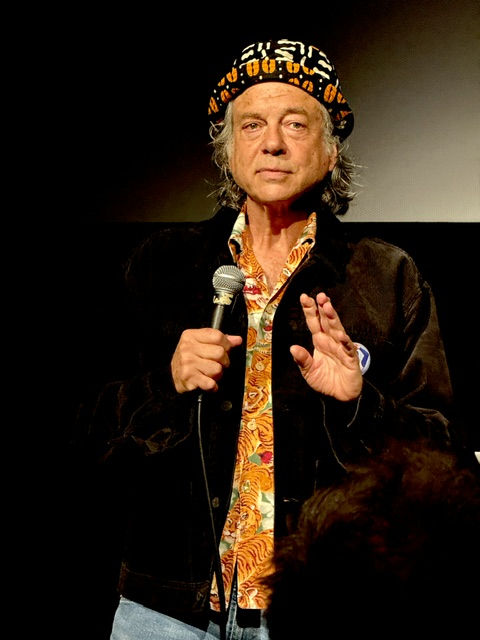
Producer Christine Vachon, who served as an assistant sound editor on the original production, views the film as a "perfect time capsule" that has "folded back onto this time." This sentiment is echoed by younger viewers. Meg Aubry, a filmmaker based in the currently gentrifying neighborhood of Ridgewood, described the film as an "education in New York culture." For her and her peers, the film offers a look at the "pre-digital, pre-Starbucks" landscape, where community was forged on fire escapes rather than through social media.
The "Terroir" of Urban Decay
Perhaps the most poignant reflection comes from Hartman himself. In discussing why a 40-year-old film resonates so deeply with Gen Z audiences today, he invokes the concept of "terroir"—a term usually reserved for wine, denoting the specific environmental conditions that give a vintage its unique character.
"I feel like there’s a terroir to No Picnic," Hartman explained. "You can feel the earthiness of the East Village and the rubble, the empty lots, the abandoned buildings. I think there’s something really appealing about that."
The film’s success represents a reclamation of history. As David Brisbin observed, "Young people in the East Village now have a sense they missed something and want to know what that time was like." By capturing the end of an era without resorting to nostalgia or cynicism, No Picnic has managed to transcend its own time. It serves as a reminder that while the physical geography of New York City is in a constant state of flux, the human impulse to create, to connect, and to define one’s own space remains constant.
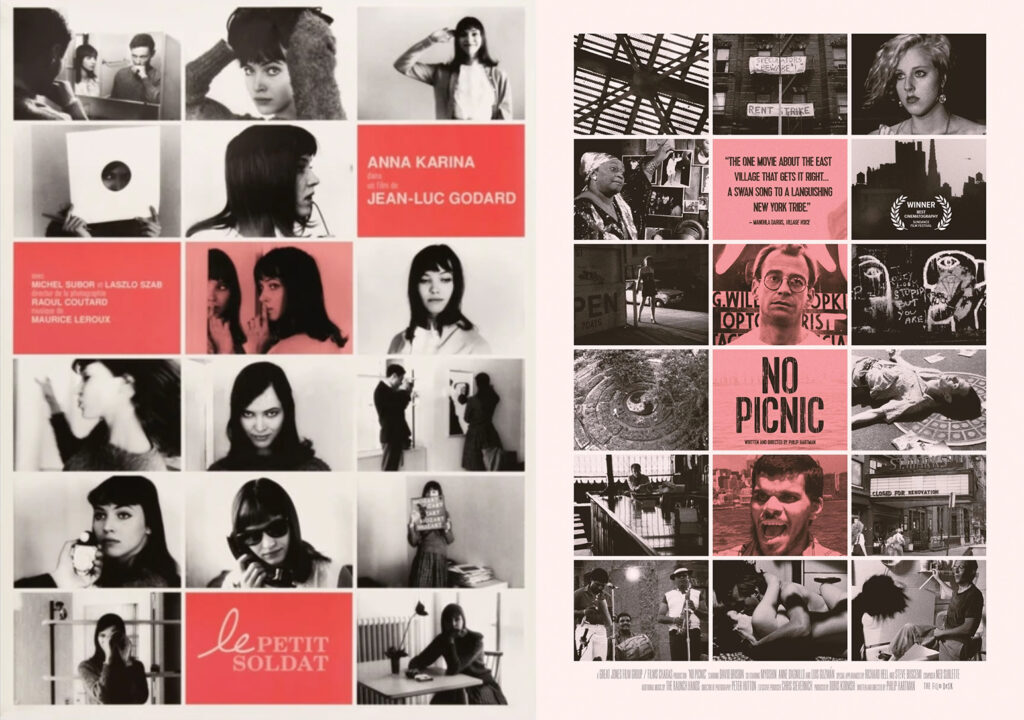
As Hartman joked regarding the film’s long dormancy, "It’s marketing genius to create something and then keep it a secret for 40 years." In the end, No Picnic was not merely a movie about a neighborhood; it was a promise kept to the ghosts of the Lower East Side, finally delivered to a generation ready to listen.