The Radical Act of Choosing: Why Guillermo del Toro Believes Disobedience is the Root of Responsibility

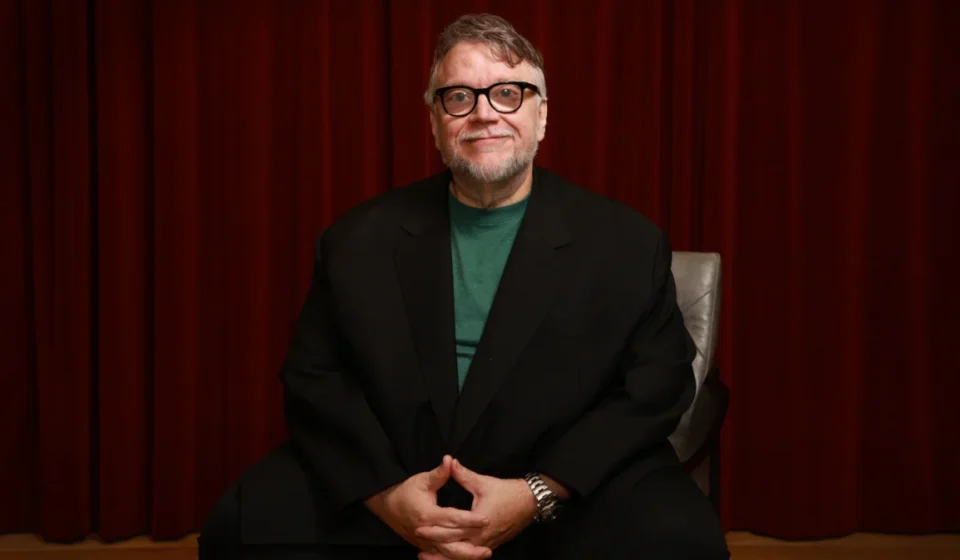
Guillermo del Toro is a filmmaker who has built an entire cinematic universe upon the shoulders of outcasts, monsters, and the misunderstood. From the aquatic romance of The Shape of Water to the gothic haunting of Crimson Peak, his work is consistently defined by a deep, empathetic curiosity for those who exist on the margins of society. However, beyond the creature effects and the lush, dark aesthetics lies a core philosophical conviction that has guided his career and life: the necessity of dissent.
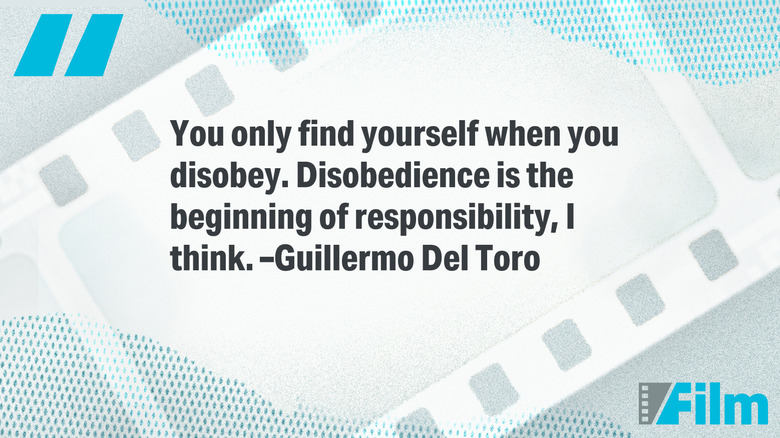
"You only find yourself when you disobey," del Toro famously remarked in a 2007 interview. "Disobedience is the beginning of responsibility, I think." This provocative statement serves as the moral compass for his most iconic works and provides a lens through which to understand one of cinema’s most visionary auteurs.
The Foundation of a Non-Conformist: A Chronology of a Visionary
Born on October 9, 1964, in Guadalajara, Jalisco, Mexico, Guillermo del Toro’s early life was marked by both traditional constraints and radical opportunities. Raised in a devout Catholic family, he was exposed to the rigid structures of institutional faith and social expectation from a young age. Yet, his childhood took an unexpected turn in 1969 when his father, Federico del Toro Torres, won a $6 million lottery.
This sudden influx of wealth transformed the family’s reality, moving them into a mansion library that would become the epicenter of young Guillermo’s intellectual development. Del Toro claims to have read every book in that expansive collection, a feat that fueled his maximalist imagination.
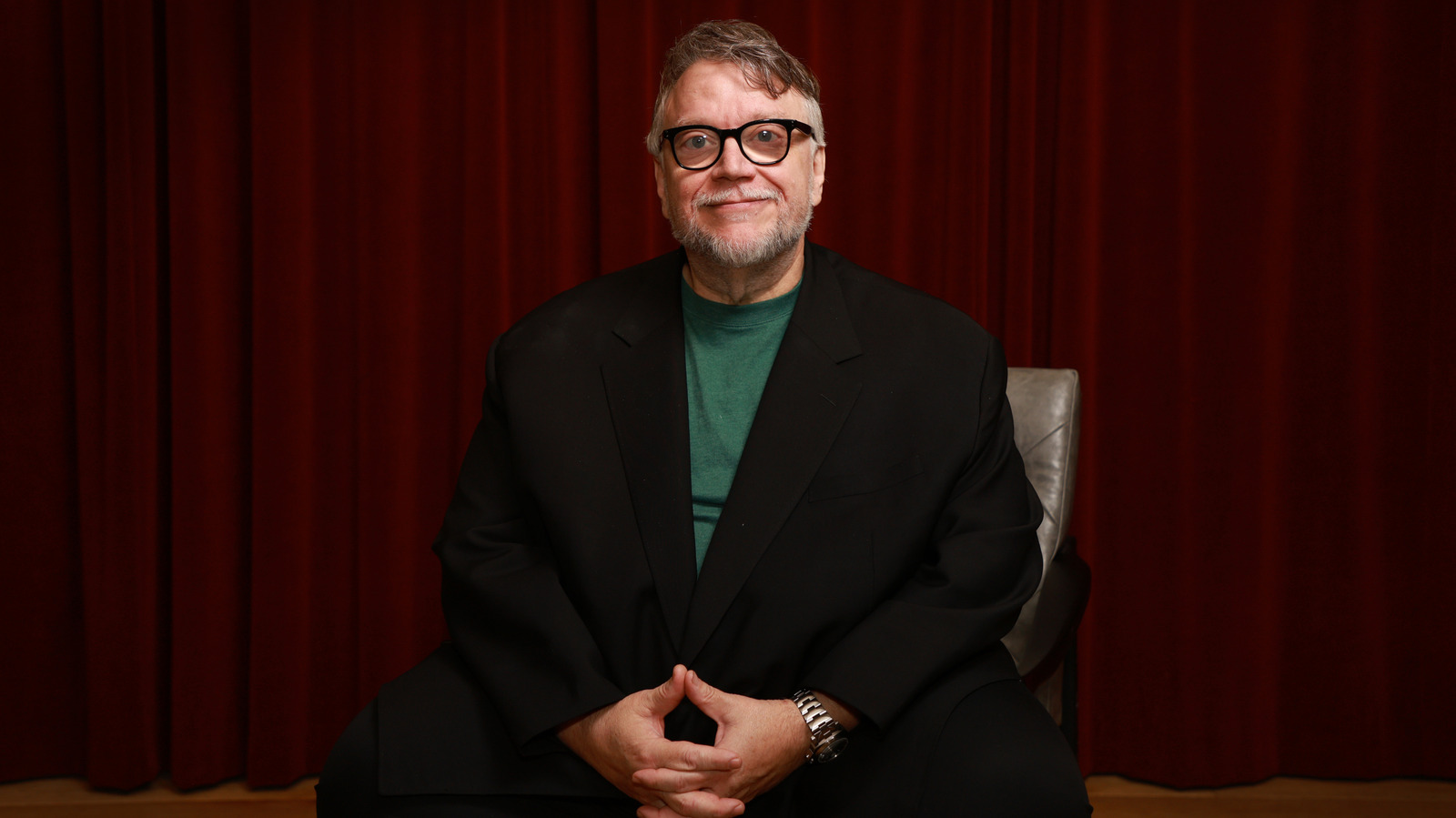
The path to his artistic identity was solidified by his own initiative. After being captivated by James Whale’s 1931 classic Frankenstein, a young del Toro saved his own money to purchase a Spanish edition of Mary Shelley’s novel. This act—of seeking out the source material beyond what was readily provided—was an early manifestation of the intellectual independence he would later preach. By age eight, he was already experimenting with a Super 8 camera, beginning a trajectory that would lead to his 1993 feature debut, Cronos, a film that reimagined the vampire mythos through a lens of human frailty rather than supernatural power.
The Anatomy of Disobedience: Lessons from Pan’s Labyrinth
The quote regarding disobedience was articulated during the height of the international acclaim for his 2006 masterpiece, Pan’s Labyrinth. Set against the backdrop of 1944 Spain under the oppressive regime of dictator Francisco Franco, the film is a searing indictment of blind authority.
In the film, the villainous Captain Vidal represents the ultimate antithesis of del Toro’s philosophy. Vidal is a man defined by his devotion to duty, his obsession with punctuality, and his belief in the hierarchy of power. The film’s moral center, however, is the young Ofelia and the rebels who defy Vidal’s order.
As Doctor Ferreiro famously tells the Captain, "To obey—just like that—for the sake of obeying, without questioning… That’s something only people like you can do, Captain." This line is the heartbeat of the film. For del Toro, obedience is not a virtue; it is a mechanism of control used by the powerful to strip the vulnerable of their moral agency. When Ofelia completes her tasks—tasks that require her to disobey the expectations of the adult world—she is not merely being rebellious; she is exercising the responsibility to choose her own fate.
Philosophical Implications: Authority vs. Autonomy
The implications of del Toro’s philosophy are profound. In our daily lives, we are conditioned to view obedience as synonymous with goodness and dissent as synonymous with chaos. Del Toro flips this binary, arguing that true responsibility only emerges when an individual consciously decides to reject an unjust or mindless command.
The Myth of the "Just" Structure
Del Toro has often described himself as "anti-structural." He harbors a deep skepticism toward institutions, whether they are religious, political, or social. His films serve as parables—timeless stories that hold as much weight today as they did in the past.
When he reimagines iconic figures like Hellboy or Pinocchio, he isn’t just retelling familiar stories; he is injecting them with the struggle of the individual against the "machine." In his version of Pinocchio, the island where boys are turned into donkeys is not merely a fairy-tale trope, but a direct critique of the rigid, militaristic indoctrination of Mussolini’s Italy. By showing the dangers of blind obedience to the state, del Toro forces the audience to confront the reality that systems often demand the sacrifice of our humanity.
Fatherhood and the Cycle of Abuse
A recurring motif in del Toro’s work is the subversion of the "father figure." From the biological fathers who demand compliance to the metaphorical fathers in the form of governments or deities, his protagonists often find themselves in conflict with authority figures who claim to know what is "best" for them.
In Frankenstein, which del Toro has long obsessed over, the tragedy stems from the creator’s failure to take responsibility for his creation. Conversely, his heroes—like Hellboy—choose to reject their "destiny" (the role designed for them by an authoritative father) to forge their own path. This is the essence of responsibility: acknowledging that you are the sole author of your actions, even if those actions put you at odds with the status quo.
The Artist as a Rebel: Creative Dissent
Creating art is, in itself, a form of disobedience. In a global industry that demands safe, formulaic, and mass-marketed content, del Toro’s commitment to his eccentric, "freakish" visions is an act of defiance. He does not make "pamphlets"—he does not seek to lecture the audience on current events with a rigid agenda. Instead, he builds worlds that challenge the viewer’s perception of what is normal.
By centering his narratives on creatures that society would typically label as monsters, he forces us to empathize with the "other." He proves that the truly monstrous behavior is not found in the beast, but in the human who demands that the beast—or the child, or the citizen—submit to an unjust order.
Conclusion: Living the Lesson
Guillermo del Toro’s philosophy of disobedience is not a call for anarchy; it is a call for conscience. It is the understanding that when you follow the path laid out by others without question, you forfeit your ability to be a moral actor.
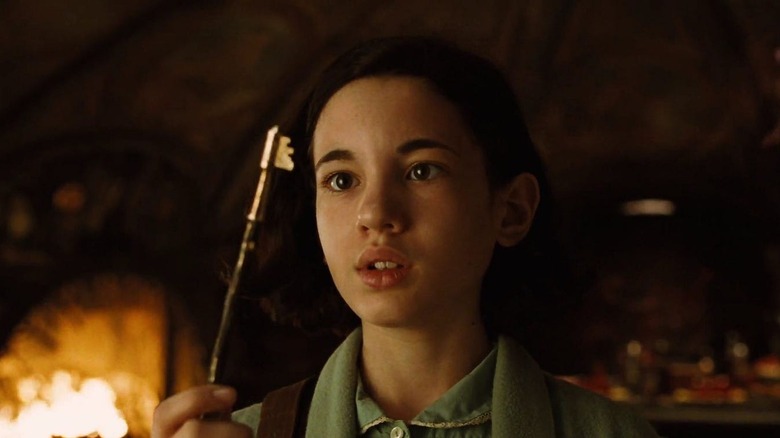
To live responsibly, one must have the courage to question the structures that govern our lives. Whether it is the constraints placed upon women in the Victorian era (as seen in Crimson Peak) or the brutal demands of a fascist regime (as in Pan’s Labyrinth), the act of saying "no" to an authority that has lost its moral compass is the first step toward self-actualization.
As we navigate an increasingly complex world, del Toro’s words remain a potent reminder: we are not defined by whom we obey, but by what we are willing to stand against. Responsibility is not found in the comfort of compliance; it is found in the lonely, difficult, and necessary act of choosing for oneself. In the cinema of Guillermo del Toro, the monster is rarely the one who disobeys—the monster is the one who demands that you do not.