The Frontier Reimagined: Why Luke Bracey’s Charles Ingalls Feels So Familiar to Modern Audiences

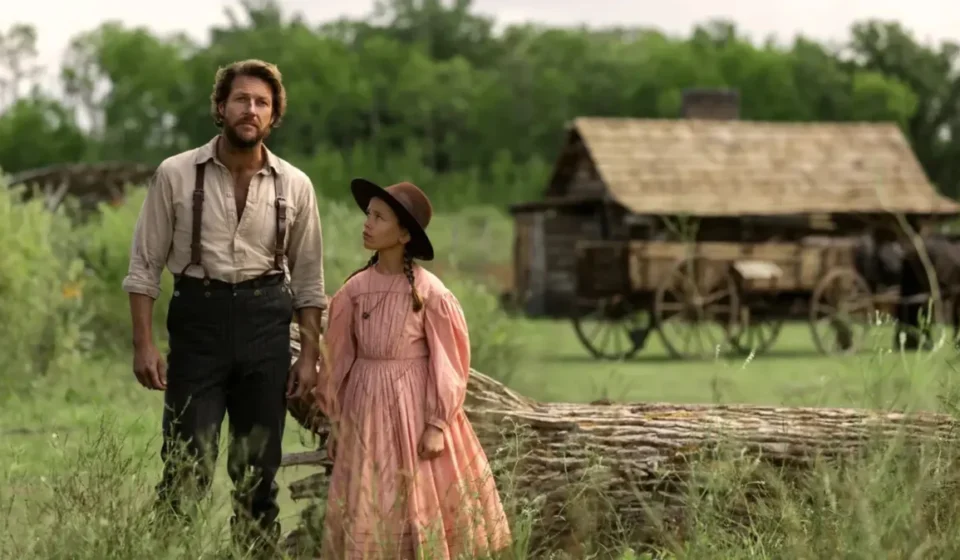
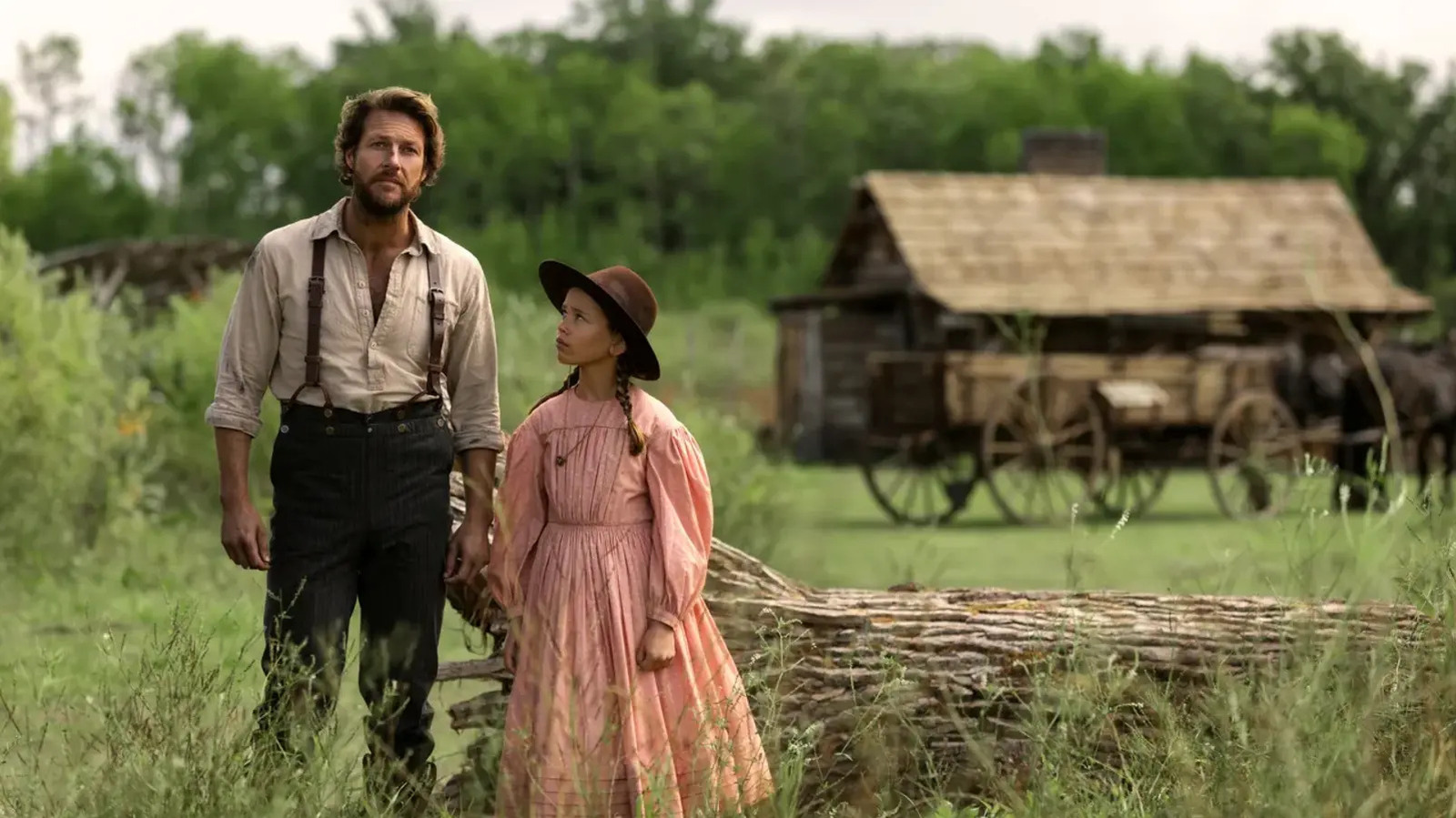
The sweeping plains of the American Midwest are once again the backdrop for one of television’s most enduring sagas. With the July 8, 2026, premiere of Netflix’s reimagining of Little House on the Prairie, a new generation of viewers is being introduced to the Ingalls family. While the series maintains the spirit of Laura Ingalls Wilder’s seminal memoirs, the production carries a distinct, contemporary cinematic weight. Central to this tonal shift is the casting of Australian actor Luke Bracey as the new Charles "Pa" Ingalls.
For many viewers, the sight of Bracey—a rugged, chiseled presence—stepping into the boots of the iconic patriarch has sparked a collective moment of recognition. Why does this face seem so familiar? The answer lies in a decade and a half of diverse, high-profile roles that have quietly established Bracey as one of the most versatile workhorses in modern Hollywood.
The Legacy of the Prairie: From NBC to Netflix
To understand the significance of this casting, one must acknowledge the shadow cast by the original NBC series. Running from 1974 to 1983, the Michael Landon-led adaptation of Little House on the Prairie became a cultural monolith. Across 200 episodes, Landon’s portrayal of Charles Ingalls defined the archetype of the "stalwart pioneer father"—a man of unyielding morality, immense physical labor, and deep emotional resonance.
For Gen-Xers and beyond, Landon was Pa. The new Netflix iteration, which debuted with an eight-episode limited run, faces the monumental task of honoring that legacy while updating the source material for a modern streaming audience. With Alice Halsey stepping into the boots of Laura Ingalls, the chemistry between the young pioneer and her father, portrayed by Bracey, serves as the series’ emotional anchor. By moving away from the episodic, procedural nature of the 1970s original and embracing the serialized, high-production value typical of modern Netflix dramas, the show offers a more granular look at the hardships and triumphs of 19th-century frontier life.
A Career in Focus: The Chronology of Luke Bracey
Luke Bracey’s path to the prairie did not happen overnight. His career trajectory is a classic study of an actor steadily climbing the ranks of the industry, moving from the sun-drenched sets of Australian television to the high-stakes world of international blockbusters.
Early Beginnings (2009–2011)
Bracey’s professional journey began on the Australian soap opera Home and Away. Like many Australian exports, this served as his training ground, providing him with the rigorous discipline required for daily television production. His transition to American cinema was swift, marked by his 2011 appearance in the romantic comedy Monte Carlo. Sharing the screen with Selena Gomez and Leighton Meester, Bracey played the quintessential romantic interest, signaling his early status as a classic "leading man" type.
The Action Star Transition (2013–2015)
By 2013, Bracey began experimenting with more physically demanding roles. His involvement in Jon M. Chu’s G.I. Joe: Retaliation as the Cobra Commander is perhaps the most deceptive entry in his filmography. Because his face was obscured behind the character’s iconic mask and his voice provided by Robert Baker, the role tested Bracey’s ability to project intensity through physicality alone.
This culminated in his 2015 breakthrough: the starring role of Johnny Utah in the remake of Point Break. Stepping into a role made famous by Keanu Reeves was a daring move that solidified Bracey’s status as a viable action star. The film’s focus on extreme sports and global set-pieces highlighted his ability to anchor a large-scale studio production.
Character Depth and Prestige Cinema (2016–2022)
Following his action-heavy period, Bracey pivoted toward roles that demanded more emotional nuance. His performance in Mel Gibson’s war drama Hacksaw Ridge (2016) demonstrated his capability in an ensemble cast, portraying the grit and camaraderie of a soldier in the Pacific theater.
His resume continued to diversify with roles in:
- The Best of Me (2014): Solidifying his status in the romantic drama genre via the Nicholas Sparks universe.
- Violet (2021): A turn toward independent cinema in Justine Bateman’s directorial debut, showing a willingness to engage with complex, internal character work.
- Elvis (2022): A high-profile appearance as Jerry Schilling in Baz Luhrmann’s Oscar-nominated biopic. This role required Bracey to embody a real-life figure from the "Memphis Mafia," further proving his ability to thrive in stylized, high-budget prestige projects.
Supporting Data: The "Hey, It’s That Guy" Factor
What makes an actor like Bracey so "familiar" to a casual viewer? It is the sheer volume of his appearances in movies that occupy the middle-to-high ground of the streaming landscape. Whether it is his role as a CIA operative in The November Man or his chemistry with Diane Keaton and Richard Gere in Maybe I Do, Bracey has effectively become a ubiquitous presence in genre-hopping cinema.
His recent work in the Australian television series The Artful Dodger and his turn in Bruce Beresford’s The Travellers indicate a performer who refuses to be pigeonholed. By oscillating between mainstream studio romance, gritty historical drama, and high-octane action, Bracey has built a subconscious rapport with audiences. When they see him as Charles Ingalls, they are not seeing a newcomer; they are seeing a familiar face finally inhabiting a role that allows him to combine his action-star physicality with the paternal warmth he has hinted at in his previous romantic leads.
Official Responses and Creative Direction
The production team behind the Netflix reboot has been vocal about the importance of the casting. In a press statement during the series’ development, the showrunners emphasized that they were not looking for a "Landon clone," but rather an actor who could interpret the "Charles Ingalls archetype" through a contemporary lens.
"Luke brings a unique blend of vulnerability and ruggedness," the production team noted. "Charles Ingalls isn’t just a builder of houses; he’s a builder of futures. Luke captures that quiet desperation of a man trying to protect his family against an unforgiving landscape."
Bracey himself has spoken about the weight of the role, acknowledging the cultural significance of the source material. In recent interviews, he described the process of stepping into the character as a "re-imagining of the American pioneer spirit," noting that while the technology and filmmaking style have evolved, the core themes of family, integrity, and survival remain identical to those penned by Wilder in the 1930s.
Implications for the Future of the Franchise
The casting of Luke Bracey in a property as beloved as Little House on the Prairie serves as a litmus test for the current trend of "IP Resurrection." Netflix’s willingness to cast an established, recognizable actor rather than a complete unknown suggests a strategy of blending nostalgic comfort with modern star power.
If this series succeeds, it could pave the way for a new era of "prestige comfort TV," where historical family dramas are given the same cinematic polish and high-caliber casting as high-fantasy or sci-fi epics. For Bracey, this role is a potential career-defining turn. At 37, he has moved from the soap opera sets of Australia to the center of a global streaming phenomenon. His journey mirrors the very pioneers he now portrays: a steady, determined trek toward a new frontier.
As audiences continue to stream the series, the question of why he looks so familiar will likely fade, replaced by the recognition of his performance as the new, definitive Charles Ingalls. By grounding the show in his versatile experience, Netflix has ensured that the "Little House" remains a home worth visiting—even if the inhabitants have changed.