Beyond the Lagoon: The Forgotten Reunion of Gilligan’s Island Stars on The Wild Wild West

Introduction: A Sitcom Legacy Transcends Genre
Even nearly sixty years after the S.S. Minnow first crashed upon those uncharted sands, Gilligan’s Island remains an indelible pillar of American pop culture. Despite its humble beginnings as a slapstick sitcom—often derided by critics of the 1960s as "low-brow"—the show achieved a level of syndication dominance that few programs in television history can claim. While the series officially concluded after its third season in 1967, the cultural footprint of the seven castaways expanded through endless reruns, animated spin-offs, and a series of television reunion movies.
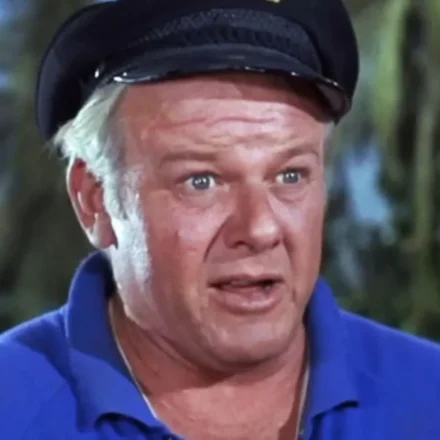
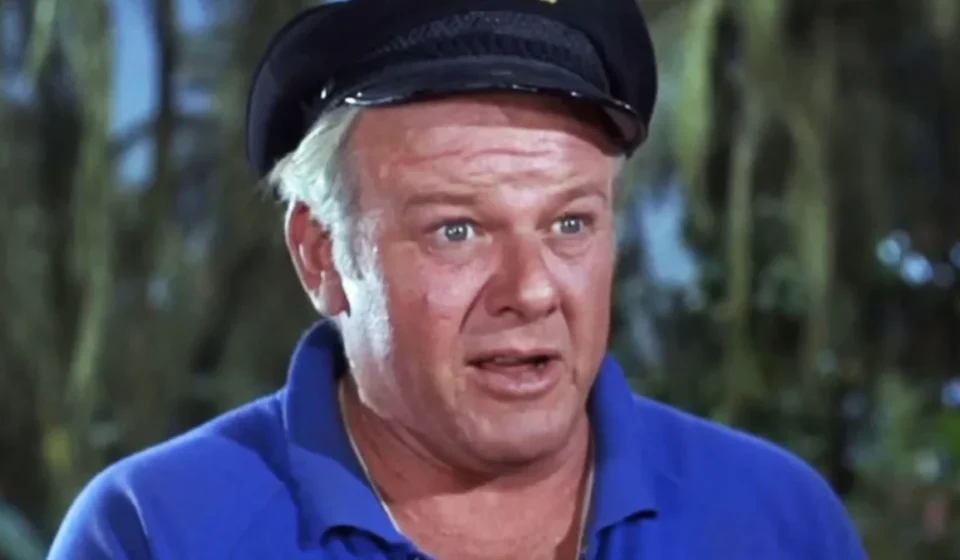
However, the camaraderie developed on the CBS backlot did not evaporate when the cameras stopped rolling on the lagoon. Actors Alan Hale Jr. (The Skipper) and Jim Backus (Thurston Howell III) maintained a professional bond that transcended their iconic roles. This enduring partnership culminated in a surprising 1969 guest appearance on the legendary genre-bending series The Wild Wild West, an episode that served as a subtle, winking homage to the very sitcom that had made them household names.
Chronology of a Crossover
To understand the significance of this reunion, one must place it within the volatile landscape of 1960s television. Gilligan’s Island debuted in 1964, bringing a lighthearted, comedic touch to the CBS lineup. Simultaneously, the network was incubating a far more experimental project: The Wild Wild West. Created by Michael Garrison, the series was pitched as "James Bond on horseback," an ambitious fusion of the Western, espionage, and burgeoning science-fiction genres.
The Timeline of Transition:
- September 1965: The Wild Wild West premieres on CBS, coinciding with the sophomore season of Gilligan’s Island.
- April 1967: Gilligan’s Island airs its final episode, "Gilligan the Goddess," after three seasons.
- 1968: Dawn Wells, who famously played Mary Ann Summers on Gilligan’s Island, makes a guest appearance on The Wild Wild West in the episode "The Night of the Headless Woman."
- 1969: Alan Hale Jr. and Jim Backus reunite on the set of The Wild Wild West for the Season 4 episode, "The Night of the Sabatini Death."
- 1969: The Wild Wild West is officially canceled, bringing a close to the era of high-concept Westerns on CBS.
By the time Hale and Backus filmed their segment, the landscape of television was shifting rapidly. The "Western" genre, which had dominated the 1950s and early 60s, was facing scrutiny from both network executives and political figures, setting the stage for the abrupt end of both programs’ respective legacies.
The Intersection of Genres: The Wild Wild West
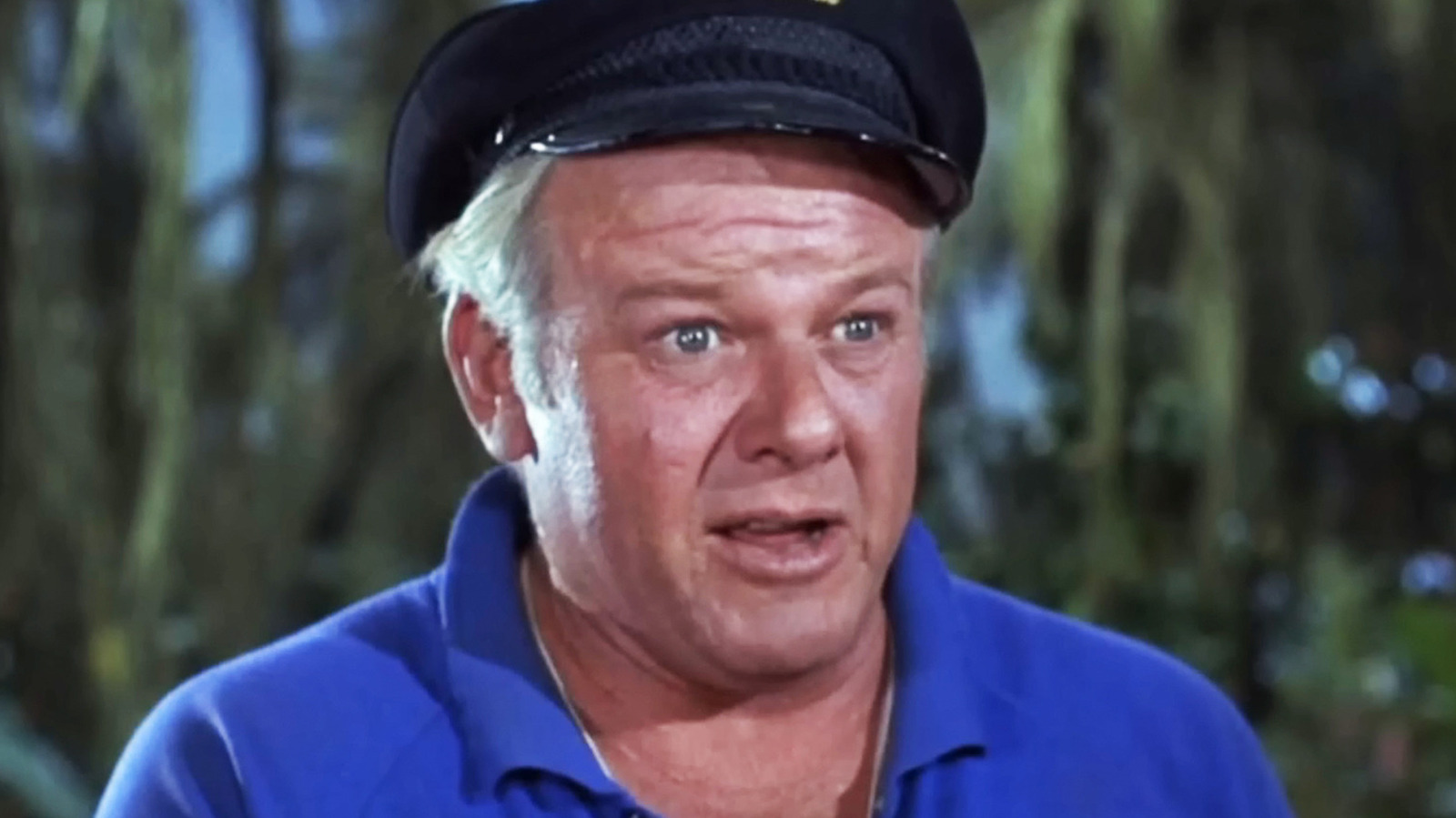
The Wild Wild West was a pioneer of the "mash-up" format. While shows like Gunsmoke leaned into the gritty realism of the American frontier, The Wild Wild West embraced the absurd. Featuring Secret Service agents James West (Robert Conrad) and the master of disguise Artemus Gordon (Ross Martin), the series utilized steampunk-adjacent technology—miniature cameras, hidden microphones, and elaborate gadgets—that felt decades ahead of its time.
The Plot of "The Night of the Sabatini Death"
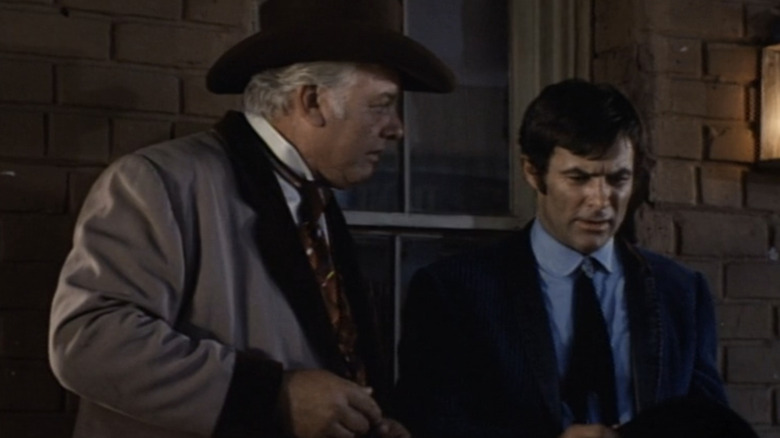
The episode featuring our two castaways acts as a microcosm of the show’s eccentric narrative style. The plot revolves around a dying crime boss, Johnny Sabatini, who tasks James West with delivering a gift to his niece. West, notably missing his usual partner Artemus Gordon for this installment, is joined by a new, temporary operative named Ned Brown, portrayed by Alan Hale Jr.
Hale’s character provides the muscle and the grounded, everyman charm that the actor had perfected over years of playing the Skipper. Jim Backus enters the fray as Fabian Swanson, a local mortician. In a grimly comedic turn of events, Swanson is murdered halfway through the episode, famously becoming a "customer of his own establishment." This bit of dark humor allowed Backus to display the dry, sophisticated wit that served as the perfect foil to the more action-oriented Robert Conrad.
Supporting Data: Behind the Scenes and Shared Sets
The connection between Gilligan’s Island and The Wild Wild West extended far beyond guest spots; it was, quite literally, built into the architecture of the CBS studio backlots.
The Legendary Lagoon
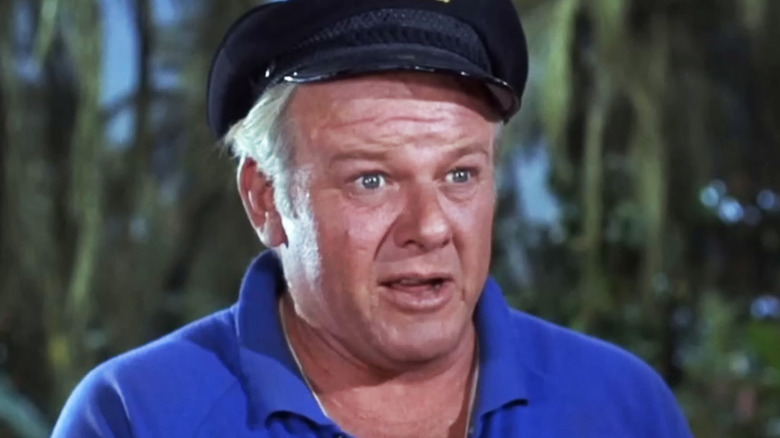
The "lagoon" used for the filming of Gilligan’s Island was a permanent fixture on the CBS lot. Because the set was expensive to build and maintain, the network mandated that other productions utilize the space. Consequently, the lagoon served as the backdrop for numerous adventures, appearing in various Westerns, including Gunsmoke. This shared infrastructure creates a fascinating "universe" of 1960s television where the same palm trees and water features hosted both the comedic struggles of the castaways and the high-stakes shootouts of federal agents.
The "Mary Ann" Precedent
It is important to note that Hale and Backus were not the first to bridge these two worlds. Dawn Wells’ 1968 guest appearance served as a bridge between the sitcom’s conclusion and the final, experimental phase of the Western series. Her presence on the set may well have opened the door for her male colleagues to follow, as casting directors of the era often relied on a tight-knit circle of familiar, reliable character actors to fill the ranks of episodic television.
Official Responses and Cultural Implications
The legacy of this reunion is anchored by the final scene of the episode. In a moment of pure meta-commentary, Alan Hale Jr.’s character, Ned Brown, departs after his mission is accomplished. He turns to James West and remarks that he plans to "spend a vacation all alone on a desert island."
As he speaks, the unmistakable, jaunty strains of the Gilligan’s Island theme song play. This was not merely a musical choice; it was a deliberate "Easter egg," a wink to the audience that acknowledged the shared history of the actors.
The Political Context of Cancellation
The demise of The Wild Wild West is often cited by media historians as a turning point in television censorship. The show was not cancelled due to poor ratings; rather, it was the victim of a moral crusade. In the late 1960s, the U.S. Congress, led by figures like Senator John Pastore, began holding hearings on the effects of television violence on youth. The Wild Wild West, with its frequent brawls and "dangerous" gadgets, became a primary target for critics. The network, eager to avoid regulatory heat, pulled the plug on the series, despite its popularity.
Conclusion: A Lasting Tribute
The reunion of Jim Backus and Alan Hale Jr. in The Wild Wild West stands as a testament to the versatility of 1960s character actors. While today’s television environment is strictly segmented by genre, the actors of the mid-20th century were expected to jump seamlessly from slapstick comedy to period action-thrillers.
By inserting a nod to the Skipper’s fate within the world of James West, the producers of The Wild Wild West honored the enduring appeal of Gilligan’s Island. For fans today, the episode offers more than just a piece of trivia; it provides a rare glimpse into a time when television was a communal experience, where actors moved between shows like old friends, and where a simple joke about a desert island could unite two entirely different worlds.
Whether one is a fan of the screwball antics of the S.S. Minnow or the steam-powered intrigue of the Old West, the collaboration between Backus and Hale remains a highlight of television history—a reminder that even after the ship has sunk, the crew finds a way to set sail again.