The Mechanics of a Heist: Why Apple TV+’s ‘12 12 12’ Struggles Under the Weight of Its Own Complexity

In the landscape of modern television, the heist genre remains a perennial favorite, offering a reliable cocktail of high-stakes tension, moral ambiguity, and the intellectual satisfaction of watching a "perfect" plan unfold. Yet, Apple TV+’s newest series, 12 12 12, attempts to reinvent the wheel by applying a rigid, almost mathematical framework to the traditional cat-and-mouse dynamic. While the series boasts A-list talent and a compelling premise, it ultimately serves as a cautionary tale about how structural ambition can occasionally stifle the very momentum it seeks to generate.
The Foundation: A Fictitious Manual for High-Stakes Crime
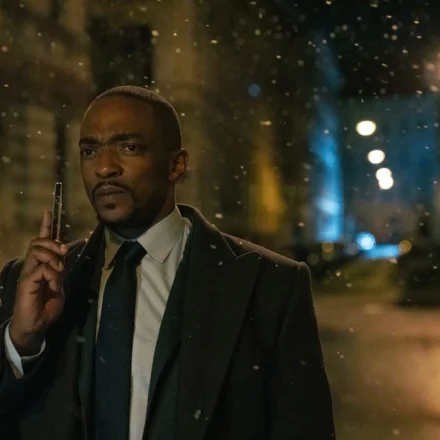
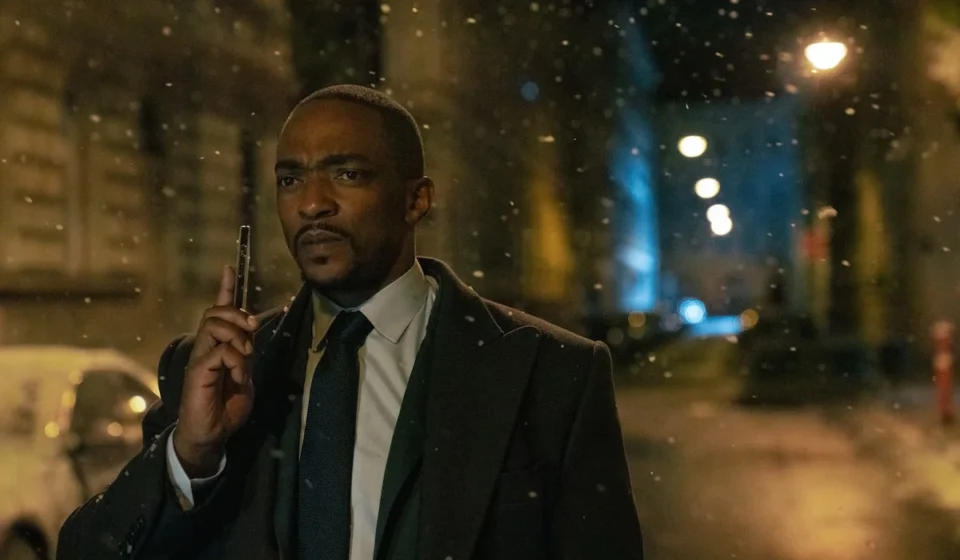
Every episode of 12 12 12 begins with a recurring, rhythmic mantra. Drawing from a fictional law enforcement manual titled "Principles of Crime, FBI Research Center, 4th Edition," Agent Jack Strickland (Anthony Mackie) narrates the show’s central thesis: "A high asset robbery, professionally conceived, is 12 months in planning, 12 hours in execution. A bank robber who’s not caught within 12 days is not caught at all."
This tripartite structure—12 months, 12 hours, 12 days—dictates the visual language of the show. The screen splits horizontally, providing the audience with a fractured window into the preparation, the chaotic execution, and the desperate aftermath. It is a stylistic choice that signals a show deeply invested in its own internal logic. However, as the series progresses, this rigid commitment to the "12" motif begins to feel less like a narrative device and more like a shackle, forcing a story that could have been a taut, two-hour feature film into an eight-episode slog.
The Protagonists: A Study in Contrasts
At the heart of the series are two titans of the industry: Jamie Dornan as the elusive master thief Paul Galvin, and Anthony Mackie as the relentless, albeit haunted, FBI agent Jack Strickland.
Dornan, who has shown remarkable range in projects like Barb and Star Go to Vista Del Mar, is once again tasked with playing a "conventional" lead here. While he brings a grounded, weary humanity to the role of a man trying to escape his criminal past, one cannot help but wish the creators had utilized his penchant for the eccentric. Galvin is defined by his intellect; he is the "plan guy," a man who maps out every contingency with cold, mechanical precision. When his erratic, impulsive brother Bobby (Jack Kesy) drags him back into the underworld, it is this meticulousness that serves as both his greatest asset and his ultimate burden.

Mackie, reuniting with director Kari Skogland (The Falcon and the Winter Soldier), provides a formidable foil. His version of the "obsessed lawman" is physically imposing and emotionally guarded. Yet, the writing often relegates his motivations to vague, placeholder secrets. We are told he is nursing a grudge, but the series takes its time—perhaps too much time—to peel back the layers of why he has truly chosen to bury himself in a remote police station in Zurich, waiting for a ghost to make a mistake.
Chronology and Narrative Pacing
The series relies heavily on temporal manipulation. In theory, this is the genre’s bread and butter; heist films thrive on the "reveal," where a flashback explains how a seemingly disastrous turn of events was actually part of the plan all along.
In 12 12 12, however, this strategy is employed with such frequency that it becomes exhausting. Rather than building suspense, the constant jumping between timeframes creates a fragmented viewing experience. The natural, rising tension of a heist—the anticipation of the job, the adrenaline of the execution, and the relief of the getaway—is constantly interrupted by the show’s desire to show its own cleverness.
When a viewer is forced to reset their emotional investment every hour, the stakes inevitably suffer. By the time the eighth episode arrives on Christmas Day, the audience has been through so many "twists" that the narrative impact is significantly diluted. The show succeeds in avoiding confusion, but it fails to maintain the necessary kinetic energy required to sustain a viewer’s interest for eight hours of television.
Supporting Data and Production Quality
Despite the narrative pacing issues, the production value of 12 12 12 is, as one would expect from an Apple TV+ production, high-end. The cinematography captures the stark, cold aesthetic of international crime hubs, and the "getting the team together" sequences are filmed with the slick, glossy finish that fans of the genre expect.

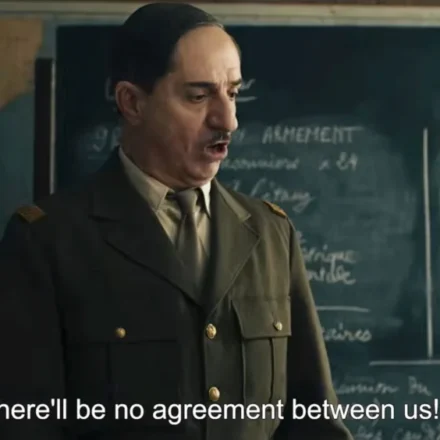
The supporting cast does heavy lifting to flesh out a world that otherwise feels somewhat sterile. Agathe Rousselle, playing Galvin’s wife, Severine, provides the emotional anchor that forces the viewer to care about the outcome of the heist. Her presence serves as the moral justification for Galvin’s return to crime: he isn’t doing it for greed, but for the life he has built with his father-in-law, Serge (José Garcia), and his impending child. These domestic stakes are the most effective parts of the show, grounding the "high asset" robbery in human consequence.
Official Perspectives and Behind-the-Scenes Vision
Co-creators Dudi Appleton and Jim Keeble have crafted a show that is deeply respectful of the genre’s tropes. By keeping their leads in well-defined "Protagonist" and "Antagonist" lanes, they ensure that the audience always knows who to root for. The decision to frame Strickland as a man so consumed by his obsession that he loses his humanity is a classic, if somewhat well-worn, character arc.
However, there is a palpable gap between the show’s high-concept ambitions and its execution. Industry critics have noted that while the "12-12-12" framework is a brilliant marketing hook, it functions as a narrative trap. The show is essentially a movie-length story stretched thin across a series format. When asked about the pacing, production sources suggest the goal was to create a "slow-burn, psychological character study" disguised as a heist thriller. Whether or not that shift in tone succeeds is largely in the eye of the beholder, but for those expecting a high-octane caper, the slow burn may feel more like a lukewarm simmer.
Implications for the Genre
The arrival of 12 12 12 highlights a growing trend in streaming television: the "extended feature." Many recent series seem to be scripts for films that were simply too long, broken into eight parts to satisfy the requirements of a streaming service’s content schedule.
The implication for the heist genre is clear: format matters. A heist is defined by its rhythm. If you break that rhythm, you risk breaking the spell. While 12 12 12 is not a failure, it is a reminder that complexity is not synonymous with depth. A simple, well-executed heist will almost always trump a "convoluted" one that spends more time looking at its own blueprints than it does executing the job.

Final Verdict: A Measured Performance
As the series concludes on December 25, viewers will likely feel a sense of relief—not because the mystery was solved, but because the marathon has finally reached its finish line. The show earns a grade of ‘C’ for its ambition, its strong performances from Dornan and Mackie, and its undeniable visual flair. However, it serves as a reminder that even the most well-planned jobs can go sideways when the architect loses sight of the ultimate goal: to deliver a clean, compelling, and cohesive story.
For die-hard fans of the heist genre, there is enough here to enjoy, provided you are willing to navigate the circuitous, and occasionally aggravating, route the show takes to get to the payoff. For everyone else, it is a polished but ultimately hollow experience that leaves one wishing the creators had spent less time counting to twelve and more time focusing on the heartbeat of the story.