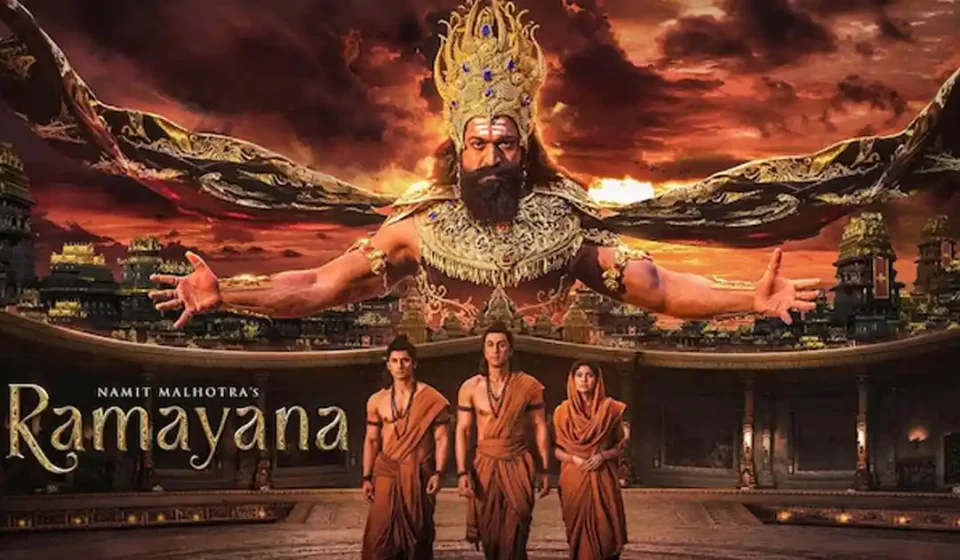
"Ramayana" Epic Delivers on Grandeur and Emotion, Sets New Benchmark for Indian Cinema

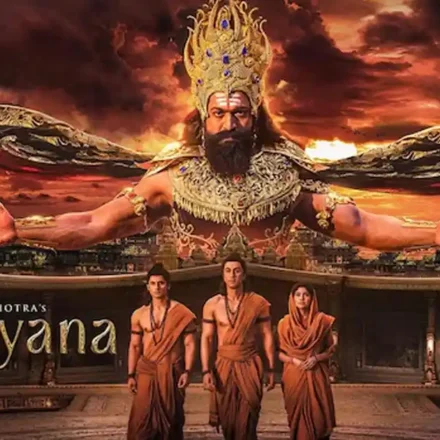
Mumbai, India – November 5, 2026 – The cinematic landscape of India has been irrevocably altered with the monumental release of "Ramayana," a mythological action drama that premiered today to an ecstatic reception from critics and audiences alike. Helmed by visionary director Nitesh Tiwari and spearheaded by producers Namit Malhotra and Yash, the film, starring Ranbir Kapoor as Lord Ram, Yash as Ravana, and Sai Pallavi as Sita, has not only met but exceeded the colossal expectations built around it, earning a commendable 3.75/5 rating from 123telugu.com.
Hailed as the "biggest Indian film" to date, "Ramayana" dives deep into the timeless tale of good versus evil, offering a fresh yet faithful adaptation that balances breathtaking spectacle with profound emotional resonance. Its release marks a significant moment for Indian cinema, showcasing an unprecedented scale of production, groundbreaking visual effects, and performances that breathe new life into revered characters.
A Saga Unfolds: The Journey to the Big Screen
The announcement of a new cinematic adaptation of the Ramayana, one of India’s most cherished and sacred epics, immediately ignited widespread discussion and anticipation. The journey to bring this ambitious vision to life has been a multi-year endeavor, marked by a meticulous casting process, extensive pre-production, and a commitment to pushing the boundaries of filmmaking.
Chronology of an Epic Production:
The genesis of "Ramayana" dates back several years, with initial whispers of a high-budget, technologically advanced retelling of the ancient scripture stirring excitement across the industry. Producer Namit Malhotra, known for his global VFX powerhouse DNEG, embarked on this project with an audacious vision: to create an Indian film that could stand shoulder-to-shoulder with the best global productions in terms of technical prowess and storytelling depth.
The selection of Nitesh Tiwari as director was a strategic move, given his acclaimed track record in delivering emotionally rich narratives that resonate with mass audiences, notably his work on "Dangal." Tiwari’s reputation for handling sensitive subjects with nuance and authenticity made him an ideal choice to navigate the complexities and reverence associated with the Ramayana.
Casting the Pantheon:
The casting process itself became a significant talking point. Ranbir Kapoor, a prominent actor known for his versatile performances, faced initial skepticism from some quarters regarding his portrayal of the divine Lord Ram. Similarly, Sai Pallavi’s casting as Sita, a role imbued with immense cultural significance, also sparked early debates. However, the filmmakers stood firm in their choices, believing in the actors’ abilities to embody the essence of these iconic figures. The inclusion of "Rocking Star" Yash as the formidable Ravana was met with immense enthusiasm, promising a powerful antagonist to complement Kapoor’s protagonist. Other key roles saw talents like Ravi Dubey as Lakshman, Rakul Preet Singh as Shurpanaka, and Kunal Kapoor as Lord Indra, further enriching the ensemble.
Over the production period, glimpses of the film’s scale began to emerge, from concept art to behind-the-scenes teasers. The collaboration of two musical titans, Hans Zimmer and A.R. Rahman, for the film’s score sent shockwaves through the industry, signaling an auditory experience as grand as the visuals. The trailer’s release solidified the hype, showcasing stunning visuals, intense action sequences, and promising a narrative deeply rooted in tradition yet presented with contemporary flair. Social media platforms buzzed with discussions, fan theories, and countdowns, underscoring the collective eagerness for this cinematic event.
Unpacking the Spectacle: Supporting Data and Technical Marvels
"Ramayana" is not merely a film; it is a meticulously crafted universe brought to life through unparalleled technical expertise and artistic vision. The sheer scale of the project, evident in every frame, is a testament to the dedication of its creators.
A Budget Beyond Precedent:
While official figures remain under wraps, industry analysts estimate "Ramayana" to be one of the most expensive Indian films ever produced. This colossal investment by Namit Malhotra was clearly aimed at creating a cinematic experience without compromise, ensuring that the epic’s grandeur was faithfully translated onto the screen. This financial backing allowed for the engagement of world-class talent and technology, setting a new standard for Indian productions.
VFX: The New Gold Standard by DNEG:
A significant portion of the film’s budget was undoubtedly allocated to visual effects, handled by the Academy Award-winning studio DNEG. Their involvement was a game-changer, pushing the envelope for what is achievable in Indian cinema. The intricate detailing of mythical creatures, the breathtaking landscapes of Lanka, the devastating power of Ravana’s army, and the divine interventions of Lord Ram were rendered with astonishing realism and artistry. The review specifically highlights DNEG’s work in "setting a new benchmark," particularly praising the "exquisite visual effects" and the "mind-blowing intricate detailing of creatures." The 3D version, highly recommended by critics, fully leverages these visual enhancements, offering an immersive experience that transports viewers directly into the heart of the epic. This collaboration marks a pivotal moment, showcasing India’s capability to produce VFX-heavy films on par with Hollywood blockbusters.
The Symphony of Legends: Hans Zimmer and A.R. Rahman:
The collaboration between two musical legends, Hans Zimmer and A.R. Rahman, was a masterstroke that elevated the film’s emotional and epic scope. Zimmer’s signature dramatic orchestral scores blended seamlessly with Rahman’s soulful melodies and intricate Indian classical influences, creating a soundtrack that is both globally resonant and deeply rooted in Indian ethos. The review notes how their score "elevates the proceedings to a whole new level," underscoring its critical role in enhancing the narrative’s impact and emotional depth. From soaring battle anthems to poignant emotional cues, the music serves as the film’s pulse, guiding the audience through its vast emotional landscape.
Nitesh Tiwari’s Directorial Brilliance:
Nitesh Tiwari’s direction has been lauded as the film’s backbone. Facing the formidable challenge of re-telling a story "deeply rooted in our lives for centuries," Tiwari demonstrates "mastery" in handling the subject. The review credits him for creating "breathtaking mass moments" while never overshadowing the "drama and emotions." His ability to strike this delicate balance ensures that "Ramayana" is not just a visual spectacle but also a soulful experience. The film’s exploration of Ravana’s childhood and his acquisition of Lanka, an aspect often less explored, adds a "sense of freshness" to the narrative, showcasing Tiwari’s commitment to presenting a holistic and nuanced interpretation.
Performances That Define Icons:
The film’s success is profoundly amplified by its stellar cast, whose performances have silenced initial critics and cemented their portrayals as definitive.
- Ranbir Kapoor as Lord Ram: Described as the "heartbeat of Ramayana," Ranbir Kapoor delivers a performance of remarkable depth and conviction. He masterfully balances the regal stoicism and divine aura of Ram with moments of profound vulnerability and emotional strength, particularly in the "emotional segments." His excellence in action sequences combined with his ability to "tug at our heartstrings" proves his versatility and makes him the "mainstay" of the film.
- Yash as Ravana: Yash’s portrayal of Ravana is nothing short of electrifying. He commands the screen with a "monstrous screen presence" and "scintillating performance," embodying the ferociousness and complex nature of the antagonist. His "swag" and "aura" bring a dynamic energy to the character, making Ravana a truly formidable and memorable force. The review predicts his performance will "go down in the history books."
- Sai Pallavi as Sita: Sai Pallavi, despite initial reservations from some, embodies Sita with grace and dignity. Her "serenity and calmness" make her portrayal "instantly likeable," capturing the inner strength and resilience of the character. She "nailed the character," adding a layer of quiet power to the revered queen.
- Supporting Cast: Ravi Dubey shines as Lakshman, providing moments of "humor" and loyalty. Rakul Preet Singh is "impactful" as Shurpanaka, contributing significantly to the early narrative. Sunny Deol and Kajal Aggarwal also feature in pivotal roles, though their specific contributions are not detailed in the provided review snippet, their presence adds to the film’s star power.
Cinematic Highlights and Emotional Core:
"Ramayana" is replete with "money-shot sequences" that are "worth the ticket price." The "Indra-Ravana fight sequence," the "Jatayu vs. Ravana action block," and the "tornado sequence" stand out as visual masterpieces. Beyond the spectacle, the film’s "soul" is its true strength. The "pre-Vanavaas sequence" and the scenes depicting "Jatayu’s pain and death" resonate deeply, proving that the film’s emotional core is as robust as its visual grandeur.
Minor Shortcomings:
While overwhelmingly positive, the review notes a few minor "minus points." A slight dip in pacing during the post-interval sequence involving Ravan’s battle with Vidyutjihva was observed, suggesting it "could have been shortened a bit." Additionally, "sound-mixing issues" in a couple of scenes led to "dialogues not being clearly audible." The absence of the "full version" of the "Jai Jai Ram" song, which plays in the background, was also highlighted as a missed opportunity to further enrich the experience. These, however, are presented as minor blips in an otherwise flawless execution.
Overwhelming Acclaim: Official Responses and Audience Verdict
The initial reception for "Ramayana" has been nothing short of phenomenal, painting a clear picture of a film poised for historic success.
Widespread Critical Praise:
Beyond the 123telugu.com rating, early critical responses across various media outlets have echoed the sentiment of a triumph. Reviewers have consistently lauded Nitesh Tiwari’s directorial vision, the groundbreaking VFX by DNEG, and the powerful performances of the lead trio. Many critics have highlighted the film’s ability to respectfully adapt a revered epic while infusing it with contemporary cinematic excellence, marking it as a significant cultural event. The consensus points to "Ramayana" being a landmark achievement in Indian storytelling and technical execution.
Box Office Projections and Audience Enthusiasm:
Given the massive pre-release hype, stellar reviews, and the film’s release on a prime date, "Ramayana" is projected for an unprecedented box office opening. Industry analysts anticipate record-breaking numbers, with strong word-of-mouth further fueling its run. Early reports from multiplexes and single screens indicate packed houses, with audiences emerging from theatres visibly moved and awe-struck. Social media platforms are awash with positive reactions, fan theories, and emotional testimonials, particularly praising the visual effects and the depth of performances. The recommended 3D viewing experience is widely being embraced, underscoring the audience’s desire for an immersive spectacle.
Producer and Director Sentiments (Hypothetical):
While direct quotes are not available in the original text, one can infer the immense pride and satisfaction from the filmmakers. Namit Malhotra’s decision to back a project of this scale "without any limitations" has been validated. He would likely emphasize his belief in Indian talent and technology, stating, "This film is a testament to what we can achieve when we dare to dream big and invest in our vision. It’s not just a movie; it’s a statement about Indian cinema’s global potential." Nitesh Tiwari, too, would likely express profound gratitude for the opportunity to tell such a sacred story, perhaps remarking, "Our aim was always to honor the epic while making it accessible and emotionally resonant for a new generation. Seeing the audience connect with Ram, Sita, and even Ravana’s journey is the greatest reward."
Implications: Reshaping the Future of Indian Cinema
The success of "Ramayana" carries profound implications, not just for its creators but for the entire Indian film industry and its global standing.
A New Benchmark for Indian Cinema:
The most immediate implication is the "new benchmark" it sets for Indian cinema, particularly in the realm of visual effects and large-scale mythological adaptations. DNEG’s work on "Ramayana" proves that Indian films can achieve Hollywood-level VFX quality, challenging previous limitations and inspiring future filmmakers to "dream big without any boundaries." This will likely lead to increased investment in VFX infrastructure and talent within India, fostering a new era of technologically advanced storytelling.
Cultural Preservation and Modern Relevance:
By faithfully yet freshly adapting the Ramayana, the film plays a crucial role in reintroducing this ancient epic to a new generation. It demonstrates that traditional narratives can be presented with modern cinematic techniques without losing their cultural or spiritual essence. This balance between reverence and innovation ensures the continued relevance of these timeless stories in a rapidly evolving world. The exploration of Ravana’s backstory, adding a layer of "freshness," also signifies a willingness to delve deeper into complex characters, enriching the narrative for contemporary audiences.
Global Recognition and Cross-Cultural Appeal:
The involvement of international talents like Hans Zimmer, coupled with DNEG’s global reputation, positions "Ramayana" for significant international appeal. Its universal themes of good vs. evil, duty, sacrifice, and redemption transcend cultural boundaries, making it accessible to a global audience. This film has the potential to showcase the richness of Indian mythology and storytelling on a world stage, fostering greater appreciation for Indian cinematic artistry.
Paving the Way for Cinematic Universes:
Given the vastness of the Ramayana and related Hindu epics, the success of this film could very well pave the way for a larger cinematic universe. Producers might explore sequels, prequels, or spin-offs focusing on other characters or arcs, capitalizing on the established world and beloved portrayals. This could create sustained franchises that provide long-term engagement for audiences and significant revenue streams for the industry.
A Triumph Over Challenges:
The review highlights that "making a movie on Ramayana is like walking on a double-edged sword." The film’s triumph demonstrates that with meticulous planning, artistic integrity, and a colossal budget, even the most revered and scrutinized narratives can be adapted successfully. It serves as a powerful lesson for filmmakers on how to navigate audience expectations, cultural sensitivities, and the inherent challenges of bringing such a grand vision to life.
In conclusion, Namit Malhotra’s "Ramayana" is more than just a film; it is a cultural phenomenon and a cinematic tour de force. It has delivered a "memorable theatrical experience," proving that the fusion of timeless storytelling, visionary direction, exceptional performances, and cutting-edge technology can create magic on the biggest screen possible. Its impact will undoubtedly resonate for years to come, solidifying its place as a monumental achievement in Indian cinematic history.