The Ghost of Diplomacy: Re-examining Rod Serling’s Controversial ‘Carol for Another Christmas’

In the annals of television history, few experiments are as ambitious, star-studded, and ultimately divisive as the 1964 production Carol for Another Christmas. Conceived as a direct, modern-day adaptation of Charles Dickens’ A Christmas Carol, the teleplay was penned by none other than Rod Serling, the legendary architect of The Twilight Zone. Coming off the heels of his seminal sci-fi anthology’s cancellation earlier that same year, Serling sought to pivot his penchant for moral allegory into a feature-length indictment of Cold War-era isolationism. Directed by the esteemed Joseph L. Mankiewicz—the man behind the cinematic masterpiece All About Eve—the project represented a unique convergence of Hollywood’s creative elite and the United Nations. However, instead of achieving the cultural resonance of a holiday classic, the film found itself at the center of a firestorm, remembered today as a "pretentious" cautionary tale that arguably sacrificed storytelling for the sake of a political sermon.
The Architecture of the Adaptation: Main Facts
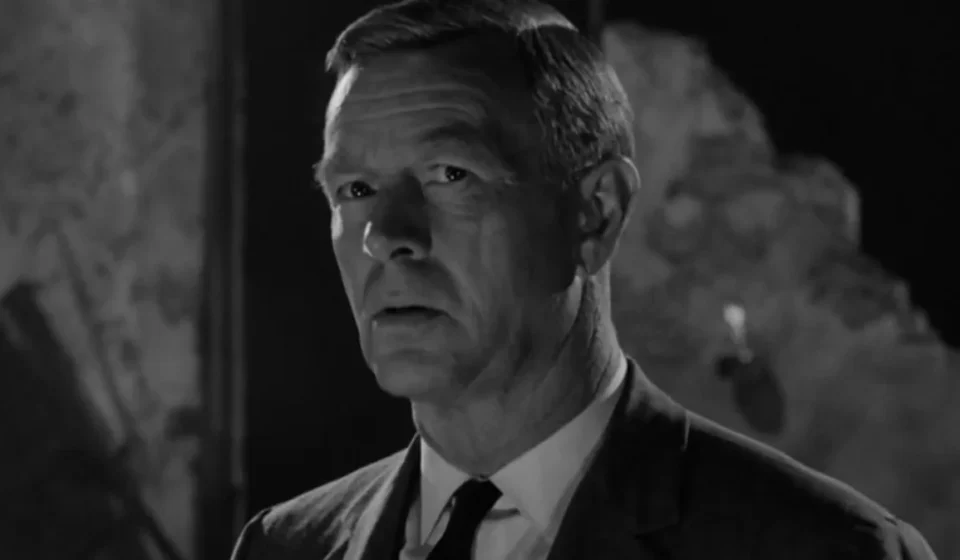
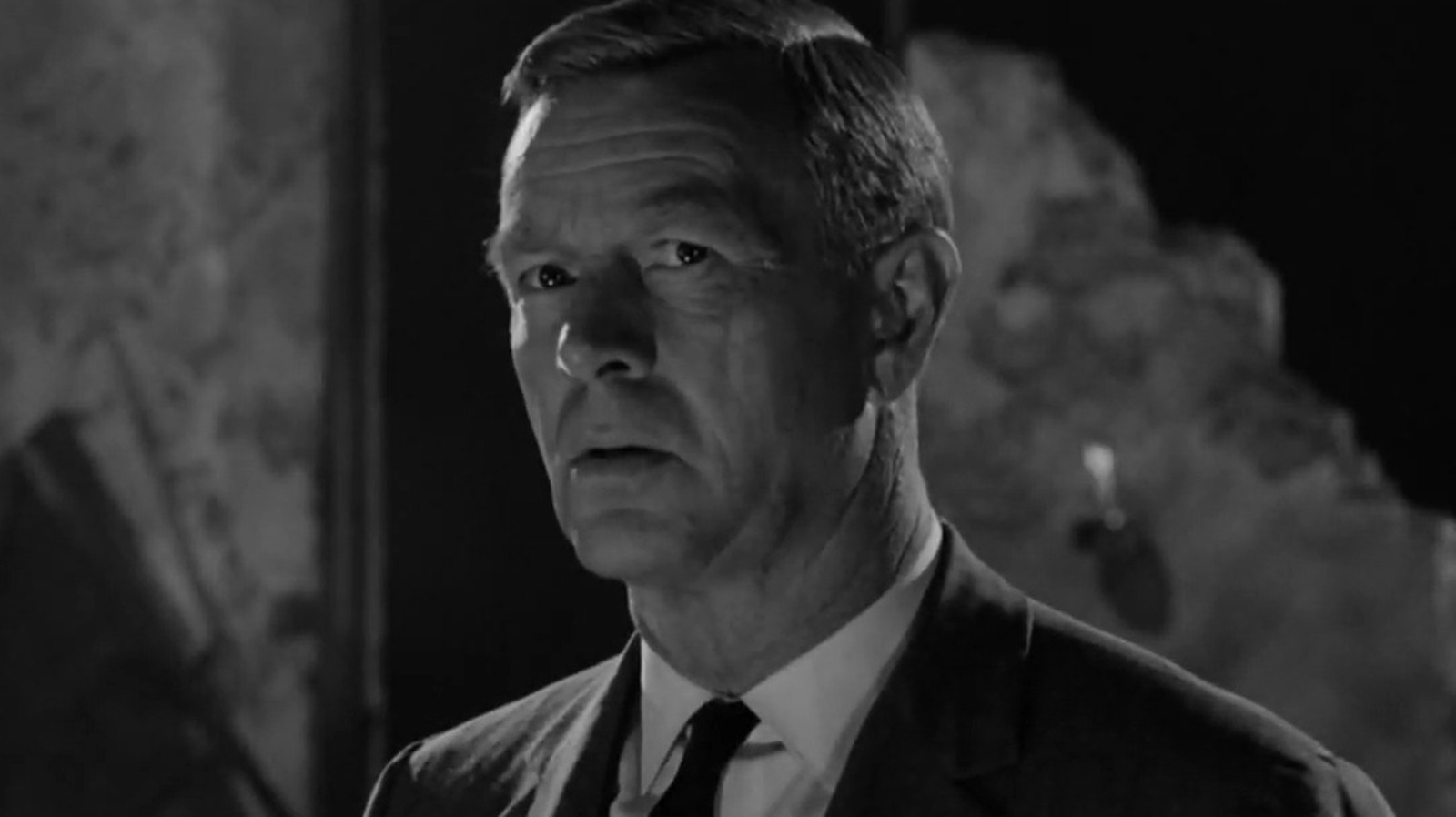
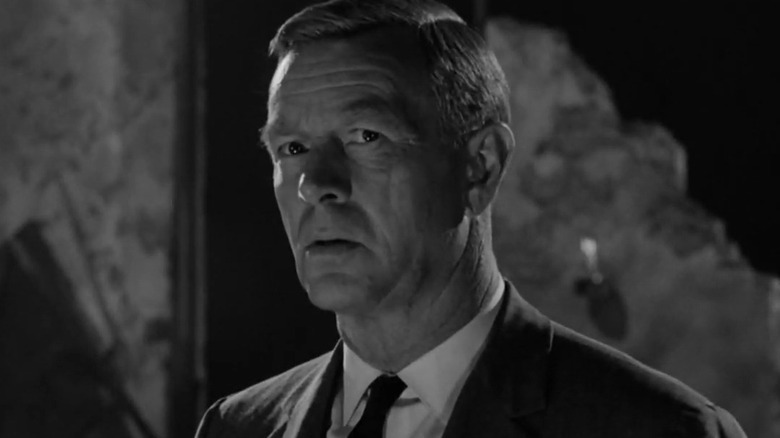
Carol for Another Christmas debuted on ABC on December 28, 1964, a curious three days after the holiday it sought to reimagine. The film features Sterling Hayden—fresh from his iconic role as General Jack D. Ripper in Stanley Kubrick’s Dr. Strangelove—as the central protagonist, Daniel Grudge.
In Serling’s revisionist framework, Grudge is not a miserly lender hoarding coins in Victorian London; he is a wealthy, grieving industrialist in 1960s America. The "ghosts" that visit him are not relics of a spectral past, but personifications of a world grappling with the horrors of nuclear proliferation, the legacy of World War II, and the mounting tension of the Cold War. The narrative is explicitly designed to dismantle the philosophy of "America First" isolationism, replacing Dickens’ theme of individual greed with a broader, systemic warning about the dangers of nationalistic withdrawal.
A Chronology of a Failed Experiment
The genesis of the project was rooted in the optimism of the United Nations, which sought to utilize television as a vehicle to promote its mission of international cooperation. Produced as the first in a series of programs designed to bolster the image of the U.N., the production was afforded a budget and a caliber of talent that was almost unprecedented for a television special at the time.
- Early 1964: Following the cancellation of The Twilight Zone, Rod Serling is commissioned to write a script that promotes the ideals of the United Nations.
- Production Mid-1964: Joseph L. Mankiewicz is brought on to direct, marking his only foray into television. The casting process secures heavyweights like Sterling Hayden, Peter Sellers, and Eva Marie Saint.
- December 28, 1964: The special airs on ABC.
- Immediate Aftermath: Critical reception is swift and brutal, with major publications labeling the production a didactic failure.
- Post-Broadcast: The film largely vanishes from the cultural consciousness for decades, becoming a footnote in the careers of its participants, only to be rediscovered by niche audiences via streaming services like Tubi.
Narrative Shift: From Dickens to Dystopia
The brilliance of Dickens’ original tale lies in its intimate focus on a man’s soul. Serling’s Carol shifts that focus from the soul to the state.
The narrative catalyst occurs when Grudge, a staunch nativist, berates his nephew (played by Ben Gazzara) for participating in a foreign exchange program. Grudge’s monologue is a crystallization of mid-60s isolationist rhetoric: he advocates for a fortress-America, an unassailable stockpile of nuclear weapons, and a complete cessation of foreign entanglement.
The specters follow a thematic trajectory that mirrors the Cold War experience:
- The Ghost of Christmas Past (Steven Lawrence): Instead of showing Grudge his childhood mistakes, the ghost forces him to witness the devastation of World War II, specifically the haunting imagery of the victims of Hiroshima. The "Marley" figure in this iteration is not a business partner, but Grudge’s own son, killed in the conflict.
- The Ghost of Christmas Present (Pat Hingle): This act confronts the socio-economic divisions of the era. Hingle leads a tour through American-run internment camps and engages in a sharp debate regarding government assistance programs, pitting the need for humanitarian aid against the rugged individualism Grudge holds dear.
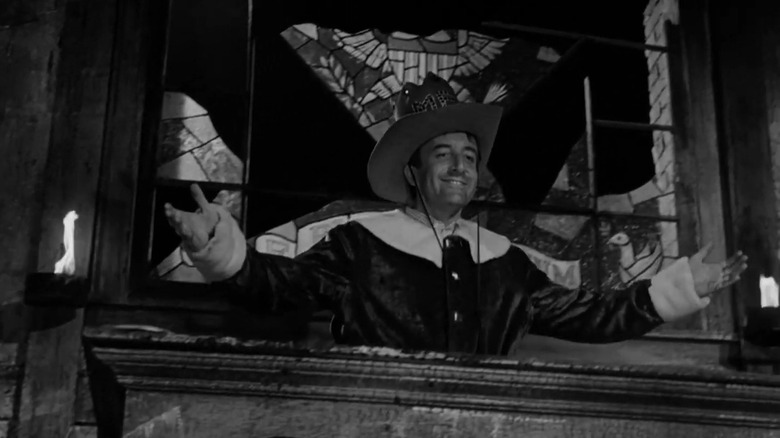
- The Ghost of Christmas Future (Robert Shaw): The final act presents a harrowing, post-apocalyptic vision of the world. Here, Peter Sellers appears as "The Imperial Me," a terrifying caricature of a demagogue who has led the remnants of humanity into a cycle of tribal violence and nihilism.
The Critics’ Verdict: A "Garrulous Ineptitude"
The reception to Carol for Another Christmas was largely defined by the feeling that the audience was being lectured rather than entertained. Jack Gould, writing for The New York Times, provided the definitive critique, calling the film "a pretentious and wearing exercise in garrulous ineptitude."
Critics argued that the film failed to "show, don’t tell." While Serling was a master of the twist ending and the subtle metaphor in The Twilight Zone, here, his hand was far too heavy. The characters felt like mouthpieces for political stances rather than fully realized human beings. The film’s failure was seen as a cautionary tale for creators: when a message becomes the primary driver of a story, the human connection—the essential "heart" of drama—is often the first casualty.
The Cultural Context: Pacifism in the 1960s
To understand why the film was made, one must look at the climate of the mid-1960s. The fear of nuclear annihilation was the defining anxiety of the generation. This was the era of the "Doomsday Clock," and artists were increasingly feeling the need to use their platforms to advocate for disarmament and global unity.
Carol for Another Christmas was part of a broader wave of anti-war sentiment that permeated the decade. Lorraine Schneider’s 1965 poster, "War is Not Healthy for Children and Other Living Things," became a rallying cry. Gene Roddenberry’s Star Trek (1966) sought to depict a future where humanity had matured past the petty squabbles of nationalism, much like the U.N. intended for Serling’s special to do. Even in music, the rise of the counterculture saw acts like the Plastic Ono Band demanding that the world "Give Peace a Chance."
Serling was, in many ways, a man ahead of his time in his convictions, but perhaps behind the curve in his execution of this specific project. He was attempting to translate the nuanced fear of a nuclear world into a familiar Dickensian structure, but the transition proved too jarring for the viewing public.
Implications: The Legacy of a "Failed" Special
The legacy of Carol for Another Christmas is complex. While it is rarely cited as a high point in the careers of Serling, Mankiewicz, or the stellar cast, it remains a vital piece of historical evidence. It showcases the desperation of a generation trying to grapple with the possibility of total extinction and their hope that art—specifically television—could serve as a tool for global reconciliation.
The film’s failure taught the industry that audiences are highly resistant to "soapbox" storytelling. Even the most noble intentions cannot salvage a production if the audience feels the story is being held hostage by the creator’s political agenda.
However, looking back with the benefit of hindsight, the film is not without its merits. It is a bold, uncompromising, and deeply unsettling piece of television. It is a reminder that in the 1960s, the greatest minds in Hollywood were not just focused on ratings; they were focused on the survival of the human race. While Carol for Another Christmas may not be the holiday classic Dickens would have recognized, it stands as a unique, polarizing time capsule—a testament to the power and the peril of the writer as a moral crusader. Today, accessible via platforms like Tubi, it remains a must-watch for fans of Rod Serling and those interested in the history of television as a medium for social change. It was, and remains, a fascinating, if flawed, bridge between the Victorian ghosts of the past and the nuclear nightmares of the future.