A Family Tragedy: Prosecutors Forgo Death Penalty for Nick Reiner in Murder of Parents

In a significant legal development nine months after the violent deaths of Rob and Michele Singer Reiner, Los Angeles County District Attorney Nathan Hochman has officially announced that his office will not seek the death penalty against the couple’s son, 33-year-old Nick Reiner. The decision, which marks a pivotal turn in a case that has gripped Hollywood and the public alike, comes after intensive consultation with the victims’ surviving children, Jake and Romy Reiner.
The Legal Decision: Seeking Justice Without Execution
Outside the Los Angeles courthouse on September 15, District Attorney Hochman addressed a crowded press corps to explain the office’s rationale. “After a careful and thorough review of all these factors, the district attorney’s office will not be seeking the death penalty in this case,” Hochman stated. “That means that the maximum sentence that Mr. Reiner will be looking at is life without the possibility of parole.”
The decision to spare the defendant from the possibility of capital punishment was not made in a vacuum. The D.A.’s office placed significant weight on the input of the victims’ other children. “We did speak with Nick Reiner’s siblings, and they made their views very clear,” Hochman noted. “We took their views into consideration in ultimately deciding not to seek the death penalty.”
Nick Reiner remains in custody, having entered a plea of not guilty to two counts of murder, with special circumstance allegations of multiple murders and murder by means of lying in wait.
A History of Struggle: The Defense’s Position
Following the announcement, Kimberly Greene, the Los Angeles County Deputy Public Defender representing Nick, expressed relief regarding the prosecution’s choice. In a formal statement provided to E! News, Greene highlighted the defendant’s long-standing struggles with his mental health.
“Nick has a serious mental illness and a long history of struggling with self-medicating,” Greene stated. “His circumstances are a tragic example of how difficult it can be for people experiencing significant mental health challenges to access and navigate the treatment and support they need.”
Greene emphasized that while the legal team acknowledges the irreparable harm caused to the Reiner family, they intend to advocate for a deeper understanding of the defendant’s mental state. “Nothing can undo the profound loss experienced by the Reiner family and those who loved them,” she said. “We will continue to approach this case with care, compassion, and a commitment to ensuring that Nick’s circumstances are fully understood as the legal process moves forward.”
The Tragedy Unfolds: A Chronology of Events
The events leading up to this point have been characterized by a swift transition from public normalcy to private devastation.
The Days Preceding the Murders
In mid-December 2025, Rob and Michele Reiner appeared to be in good spirits. The legendary filmmaker and his wife were seen by friends and peers at various social engagements. However, reports surfaced that on December 13, the night before they were discovered, Nick and his father were involved in a heated confrontation at a Christmas party hosted by Conan O’Brien. Multiple attendees reported that Nick appeared agitated and disruptive, interrupting conversations and displaying behavior that stood in stark contrast to the holiday atmosphere.
The Discovery and Investigation
On December 14, 2025, the Los Angeles Police Department was called to the Reiner residence in Brentwood to conduct a death investigation. Upon entering the home at approximately 3:40 p.m., officers discovered the bodies of Rob and Michele Reiner. It was later determined that both had succumbed to multiple stab wounds.
The investigation into the incident moved with unusual speed. By the evening of December 14, authorities had identified Nick Reiner as the primary person of interest. Surveillance footage captured Nick at an ARCO gas station near the University of Southern California (USC) campus at approximately 9:00 p.m., wearing a green jacket and carrying a backpack. Shortly thereafter, at 9:15 p.m., he was taken into custody by local police.
Initial Legal Proceedings
The legal process began under intense media scrutiny. Nick initially retained high-profile defense attorney Alan Jackson—known for representing clients such as Harvey Weinstein and Kevin Spacey—but Jackson withdrew from the case in early January 2026. The case was subsequently transferred to the public defender’s office, with Kimberly Greene taking the lead. Nick entered his formal plea of not guilty on February 23, 2026.
Family Perspectives: Navigating Unimaginable Loss
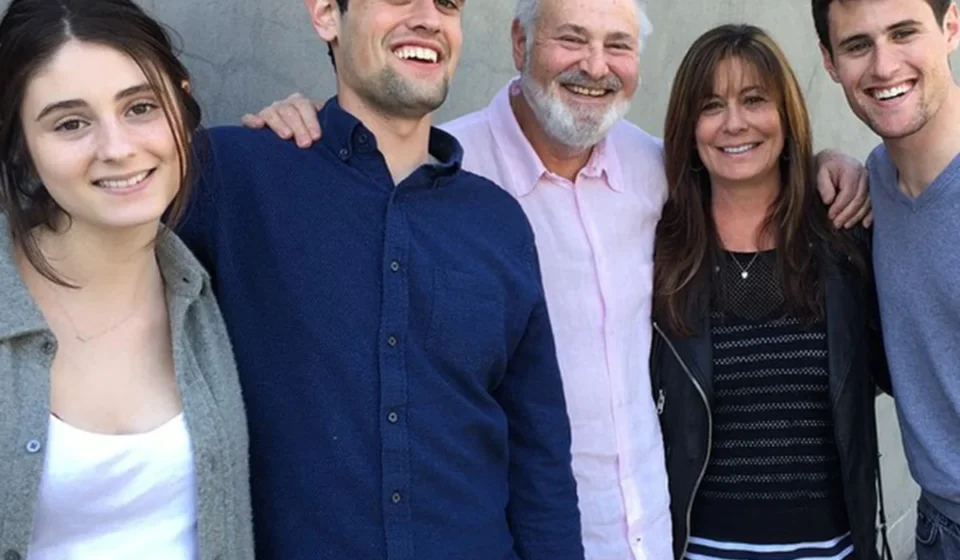
The impact of the tragedy on the surviving siblings, Jake and Romy, has been profound. Despite the public nature of the crimes, the family has largely remained private, choosing to process their grief away from the glare of the media.
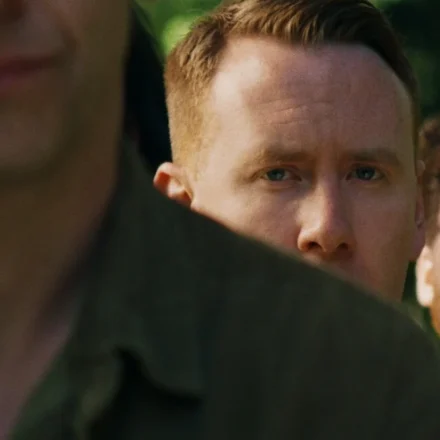
In an August interview with ABC 7, Jake Reiner opened up about his parents’ enduring devotion to their children. He noted that his parents possessed "unconditional love for all three of us" and that they never stopped trying to help Nick. Jake also pointed to the 2015 film Being Charlie, a project on which Rob and Nick collaborated, as a sincere attempt by his father to bridge the gap and understand Nick’s battle with substance abuse.
"I physically lost my parents, and then Nick was arrested," Jake told the outlet. "Now it’s just me and Romy, and we have to navigate this by ourselves essentially."
In a poignant post on his Substack earlier this year, Jake expressed the sheer impossibility of the situation: "We lost more than half of our family that night in the most violent way imaginable. Sure, any loss of a parent is devastating, but nothing compares to losing both of them at the same time and, on top of that, having your brother be at the center of it."
Supporting Data: A Long Battle with Mental Illness
Public records and past interviews reveal that Nick’s legal and personal struggles were not sudden, but rather the culmination of years of instability.
- Substance Abuse: In a 2016 interview with People, Nick admitted to being homeless in multiple states and having checked into rehabilitation facilities 18 times before his 30th birthday.
- Behavioral Incidents: During a 2018 appearance on the Dopey podcast, Nick candidly discussed a violent episode in which he destroyed his own guest house while under the influence of stimulants.
- Legal Conservatorship: Between 2020 and 2021, Nick was under a mental health conservatorship. While the specific details remain protected, his court-appointed conservator, Steven Baer, described the broader issue of mental illness as an "epidemic that is widely misunderstood."
Implications for Future Proceedings: The Grand Jury Transcripts
Beyond the death penalty, a secondary legal battle is brewing regarding the disclosure of evidence. The District Attorney has revealed that Jake and Romy Reiner have expressed a strong desire for the grand jury transcripts to remain sealed. They argue that the public dissemination of the graphic details surrounding the death of their parents would inflict further, unnecessary trauma upon them.
While District Attorney Hochman acknowledged that the law does not necessarily view the unsealing of these documents as inherently prejudicial to the trial, he has deferred the final decision to the court. Both the prosecution and the defense are scheduled to return to court on October 7 to debate the matter of the transcripts and other outstanding pre-trial motions.
Conclusion
The decision to forgo the death penalty in the case of Nick Reiner represents a shift toward a focus on the complexities of mental health rather than solely punitive retribution. As the legal system continues its work, the Reiner family remains in the center of a tragedy that highlights the intersection of celebrity, the devastating nature of substance abuse, and the long-term impact of untreated mental illness. With the trial proceedings set to continue into the autumn, the public and the legal community wait to see how the court will address the remaining evidence and the ultimate path to resolution for a family irrevocably changed.