The Final Curtain: How The Comeback and Hacks Became the Barometers of Television’s Existential Crisis

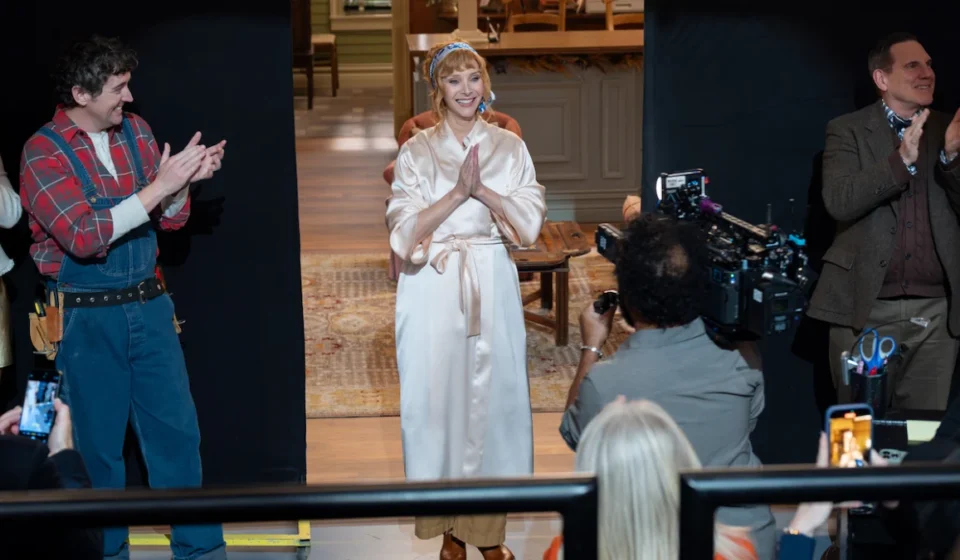
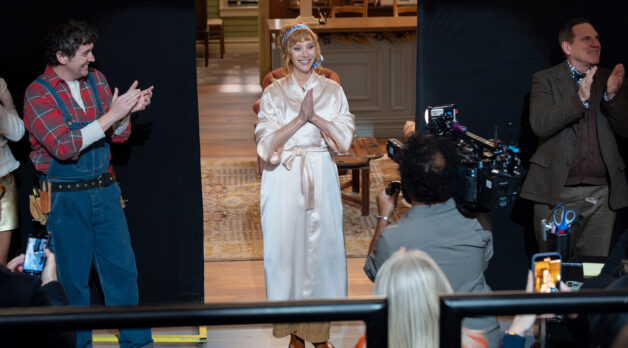
For nearly two decades, HBO’s The Comeback has served as an unlikely, yet uncannily accurate, cultural thermometer for the television industry. Whenever the medium faces a period of profound instability or identity crisis, Lisa Kudrow’s Valerie Cherish resurfaces, mirroring the anxieties of a business that is perpetually eating itself alive.
As we reach the conclusion of The Comeback’s third and final season, the series—created by Michael Patrick King and Kudrow—finds itself in a unique position. It is no longer just a satire of the reality TV format that birthed it; it has evolved into a poignant, biting critique of the streaming era and the encroaching shadow of artificial intelligence. Simultaneously, its thematic cousin, Hacks, has risen to prominence, creating a dual-fronted defense of human artistry in an age of algorithmic content.
The Chronology of an Industry in Flux
To understand the weight of these final episodes, one must look at the timeline of The Comeback’s intervention in the television landscape.
- 2005: The Reality TV Inflection Point. When the show premiered, reality television was the "cheap" bogeyman. It threatened to cannibalize scripted comedy by offering low-cost, high-drama, tabloid-friendly narratives that required neither writers nor character arcs. Valerie Cherish, a former sitcom star desperate to stay relevant, was the perfect avatar for an industry terrified of being replaced by the unscripted.
- 2014: The Prestige Paradox. HBO’s revival arrived at a time when reality TV had settled into its own legitimacy. However, the industry was pivoting toward the "Prestige TV" boom. Streaming services were beginning to flood the market with content, turning "prestige" into a hollow marketing buzzword.
- 2026: The AI Reckoning. Twelve years later—following a global pandemic, dual guild strikes, and widespread corporate consolidation—Valerie returns for her swan song. This time, the existential threat is no longer a genre, but a technology: Generative AI.
In the current season, Valerie lands the lead in the first sitcom written entirely by an AI engine. As she balances her role as an executive producer with the reality of a shrinking Hollywood, the show poses a terrifying question: What happens to the "Valeries" of the world when the writers are removed from the room?
Supporting Data: The Human Cost of Efficiency
The third season of The Comeback shifts away from the traditional mockumentary format to a more propulsive, narrative-driven style. This structural pivot allows the show to grapple with the cold reality of production.
The plot centers on How’s That?!, a multi-cam sitcom funded by the Big Tech-backed platform NuNet. The proprietary AI, "Allassist," produces scripts that are grammatically functional but emotionally hollow. When the AI-generated jokes fail to land, it simply churns out thousands of variations—none of which carry the spark of human experience.
The data provided by the show’s narrative arc is clear: efficiency is the enemy of quality. In a pivotal scene, the legendary director James Burrows (playing himself) offers a sobering assessment to Valerie: "Surprising only comes from a group of writers huddled in a corner, beating themselves up to beat out a better joke."
This sentiment is mirrored in the real-world discourse surrounding the WGA strikes of recent years. The industry’s push to maximize output while minimizing labor costs has led to a glut of "content" that feels increasingly sterile. By contrasting the cold, plagiarized outputs of Allassist with the lived experience of sitcom veterans, The Comeback highlights that while a machine can replicate the structure of a joke, it cannot replicate the subversion of one.
The Hacks Parallel: A Mirror Held to Stardom
While The Comeback explores the technological threat, Hacks (created by Lucia Aniello, Paul W. Downs, and Jen Statsky) examines the systemic, corporate, and structural barriers facing female icons. The parallel is striking.
Deborah Vance (Jean Smart) and Valerie Cherish are two sides of the same coin: aging female stars fighting for their autonomy in an industry that views them as depreciating assets. In Hacks, the threat of AI is addressed through the "QuikScribbl" venture, where a tech mogul attempts to license Deborah’s likeness to create an LLM version of her act.
The monologue delivered by Ava Daniels (Hannah Einbinder) regarding the "inevitability" of AI serves as the perfect ideological bookend to Valerie’s struggle. When Ava shouts, "This is exactly like when a random-ass diner puts a sign out front that’s like, ‘Best Waffles in America.’ According to who? The people trying to sell the fucking waffles!", she is calling out the industry’s own propaganda machine.
Both shows arrive at the same conclusion: the "tech bros" and network executives pushing these tools do not care about the art. They care about the intellectual property, the efficiency of the pipeline, and the removal of human leverage.
Official Responses and Industry Implications
The implications for the television industry are stark. As we move into an era where non-compete clauses and AI-integrated workflows are becoming standard, the stories of Valerie and Deborah are no longer just satires—they are cautionary tales.
The industry’s response has been mixed. While platforms like NuNet (in the show) represent the extreme end of the "tech-first" approach, the real-world shift toward streaming consolidation has forced creators to become more vocal about the value of human collaboration. The success of Hacks—which has garnered 12 Emmy wins, including multiple Best Comedy Series and acting nods—proves that audiences are not craving the "efficient" content an AI can generate. They are craving the specific, painful, and deeply human character arcs that come from a collaborative writers’ room.
The "Valerie Cherish" model of stardom is being pushed to the brink. As both shows illustrate, the industry is increasingly trying to strip away the "star" and replace them with a brand that can be managed, manipulated, and eventually automated.
The Emmy Race: A Battle for the Soul of Comedy
It is fitting, then, that these two series are set to clash in the upcoming Emmy cycle. Hacks enters the race with significant momentum, having established itself as a critical darling. The Comeback, while historically overlooked by the Academy, holds a unique place in television history as the show that predicted the very crisis the industry is currently navigating.
A potential showdown between Jean Smart and Lisa Kudrow for the Best Actress trophy would be more than just an awards narrative; it would be a celebration of two performers who have spent their careers navigating the exact misogyny and ageism their characters fight on screen.
Whether The Comeback receives the gold or not is almost secondary. The show has already achieved its final goal: it has provided a vocabulary for the anxiety of the modern creator. It has shown that while the industry may try to replace the human element with an algorithm, the result will always be a hollow, "hokey" shadow of the real thing.
Conclusion: The Resilience of the Human Voice
As The Comeback closes its final chapter, it leaves behind a legacy of "comedy-fueled resistance." Valerie Cherish, in all her desperate, hilarious, and humiliating glory, remains a symbol of the enduring power of the performer.
The "bogeyman" of AI, as presented in these two series, is not just a technological challenge; it is a test of values. Will the industry continue to pursue the "inevitable" efficiency of the machine, or will it recognize that the most valuable commodity in television is the, often messy, human voice?
By documenting this transition with such sharp, unforgiving precision, The Comeback and Hacks have done more than just entertain. They have ensured that if the industry does eventually lose its soul to the machines, at least there will be a record of what it felt like to be human on the other side of the camera. The curtains are closing on Valerie Cherish, but the lessons she leaves behind—about the necessity of writers, the danger of complacency, and the vital importance of fighting for one’s own voice—will resonate for seasons to come.