A Masterclass in Practical Gore: Zach Cregger Brings the ‘Resident Evil’ Experience to Life

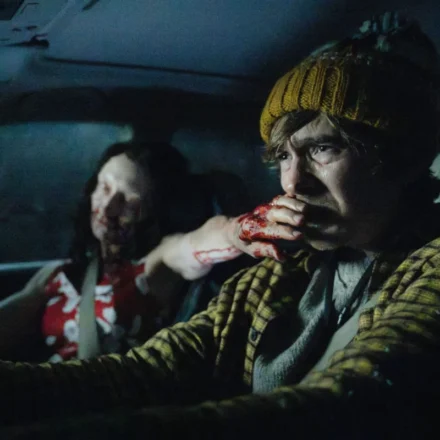
The horror landscape is bracing for a seismic shift. As anticipation reaches a fever pitch for the September 18, 2026, release of Sony Pictures’ Resident Evil, a newly surfaced behind-the-scenes clip has provided fans with an intimate look at the production’s commitment to visceral, tactile filmmaking. The footage features director Zach Cregger—the visionary behind the sleeper hit Barbarian—orchestrating a spectacularly gruesome practical effect: the detonation of a massive, blood-saturated biological anomaly.
For fans of the long-running Capcom franchise, the clip is more than just a promotional teaser; it is a promise. It suggests that Cregger is moving away from the CGI-heavy spectacle of previous adaptations, opting instead for the tangible, claustrophobic dread that defined the original video games.
The Vision: Recreating the Gaming Experience
For decades, Resident Evil has struggled to find a cinematic identity that satisfies both die-hard gamers and casual moviegoers. Previous iterations often opted for high-octane action sequences that abandoned the survival-horror roots of the source material. However, Cregger’s approach is fundamentally different.
Rather than adapting a specific game narrative, Cregger has explicitly stated his intention to adapt the experience of playing Resident Evil. This includes the signature feelings of isolation, the scarcity of resources, and the constant, creeping anxiety of navigating a corridor that might house an undead threat.
The story centers on Bryan, played by Austin Abrams (Euphoria, The Walking Dead), a medical courier who finds himself thrust into the heart of a containment breach in Raccoon City. What begins as a routine logistical mission rapidly devolves into a desperate, high-stakes fight for survival. Abrams’ character serves as an audience surrogate, a relatable human element navigating a world that has been systematically dismantled by the Umbrella Corporation.
Chronology of Production: From Concept to Containment
The journey to this iteration of Resident Evil began shortly after the critical and commercial success of Cregger’s Barbarian. Sony Pictures, seeking a fresh direction for the IP, courted the director with a mandate for creative autonomy.
- Q1 2025: Pre-production begins, with a heavy emphasis on "grounded horror." Cregger insists on a hybrid approach to effects, prioritizing practical builds over digital augmentation.
- Late 2025: Casting is finalized, with Austin Abrams securing the lead role of Bryan. The production team begins scouting locations that mimic the labyrinthine, industrial architecture of the Raccoon City Police Department and the surrounding urban decay.
- Spring 2026: Principal photography commences. Set photos leaked throughout the spring teased iconic elements: the iconic blue-and-white police cruisers, the unmistakable logo of the Umbrella Corporation, and the inclusion of the series’ staple healing items—the green herbs and first-aid sprays.
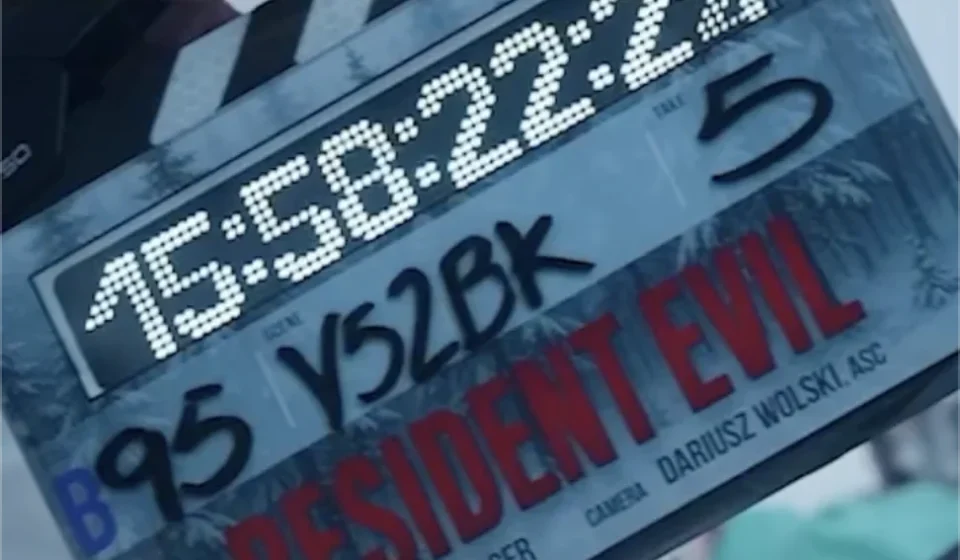
- September 2, 2026: A behind-the-scenes video is released via social media, showcasing the practical effects team’s prowess. The video, which features a massive blood-filled bubble exploding, highlights Cregger’s infectious enthusiasm for the macabre.
Supporting Data: Why Practical Effects Matter
The decision to lean into practical effects is a strategic move that aligns with modern horror trends favoring "texture" and "weight." By utilizing physical rigs—like the one shown in the recent set video—Cregger ensures that the actors are reacting to real debris, real fluids, and real light sources.
The MPA has already signaled that this film will push boundaries. The official "R" rating, cited for "strong bloody violence, gore, and language throughout," confirms that Sony is not watering down the intensity of the source material. In an era of sanitized blockbusters, this commitment to R-rated viscera is a clear nod to the franchise’s roots, which have never shied away from the grotesque mutations of the T-Virus.

Furthermore, the production design incorporates several "game-accurate" easter eggs that have been confirmed by set observers:
- The Typewriter: A nod to the save-system of the original games.
- First-Person Sequences: Cregger has reportedly integrated specific camera techniques to emulate the perspective of the player, creating a sense of vulnerability.
- Infected Fauna: The presence of the iconic, mutated Dobermans has been confirmed, with trainers and animatronic specialists working in tandem to bring the creatures to life.
Official Responses and Creative Intent
In a recent industry panel, Cregger discussed the challenges of adapting a medium as interactive as Resident Evil. "When you play the game, you are the one responsible for your survival," Cregger noted. "The terror comes from your own mistakes. My goal with this film is to replicate that sense of agency—or the loss of it—when things go wrong. It’s not just about the monsters; it’s about the environment itself being an antagonist."
The cast has echoed these sentiments. Austin Abrams described the filming process as "exhausting and exhilarating," noting that the sets were designed to be interconnected, allowing for long, unbroken takes that heighten the sense of claustrophobia. "When you’re running through those halls and you see the practical gore—it’s not a green screen. It’s right there. You don’t have to act scared. You just are."
Implications for the Future of Horror Adaptations
The implications of Cregger’s Resident Evil are significant. Should the film succeed, it may establish a new "gold standard" for video game adaptations. For too long, the industry has relied on "Easter egg hunting"—placing familiar items on screen and hoping fans ignore a weak narrative. Cregger’s methodology—focusing on the feel of the gameplay rather than just the plot points—represents a maturation of the genre.
Furthermore, the emphasis on practical effects serves as a critique of the "digital fatigue" currently plaguing major studio releases. By showing the director’s genuine delight in seeing a practical gore rig explode, the marketing team is tapping into a very specific demographic: the horror purists who value craftsmanship above all else. This "behind-the-curtain" transparency builds a level of trust with the audience that traditional trailers often fail to achieve.
The Final Countdown: What to Expect
As we approach the September 18, 2026, release date, the hype cycle is expected to accelerate. IMAX screenings have been confirmed, which will likely highlight the scale of the practical set builds and the intricacy of the creature designs.
The film is not merely a reboot; it is a re-evaluation of what makes Resident Evil terrifying. By stripping away the bloated lore of previous films and focusing on the core survival elements, Cregger is inviting both newcomers and veterans to experience Raccoon City as it was meant to be seen: a rotting, claustrophobic nightmare where every corner turned is a potential death sentence.
When the credits roll, the legacy of this production will likely be defined by that giant, bursting bubble of blood. It is a symbol of a director who understands that in the world of horror, the messier, the better. Mark your calendars for September 18; the T-Virus is coming, and this time, it looks like it’s going to be a visceral, bloody, and thoroughly terrifying ride.