Cinematic Titans and Global Voices: The 39th Tokyo International Film Festival Unveils Its Landmark Lineup

The 39th Tokyo International Film Festival (TIFF) has officially set the stage for a cinematic season defined by high-stakes spectacle, historical resonance, and the evolution of genre storytelling. As the festival prepares to return to the heart of Japan’s capital from October 26 to November 4, the organizers have revealed a formidable trio of films to anchor the event: the highly anticipated sequel Godzilla Minus Zero as the centerpiece, the musical historical drama Sukiyaki as the opener, and the visceral zombie thriller Colony as the closing feature.
This year’s programming, curated by TIFF programming director Ichiyama Shozo, reflects a deliberate balance between celebrating Japan’s deep-rooted cultural heritage and embracing the avant-garde sensibilities of international genre cinema.
The Centerpiece: A Monster Returns to Imax
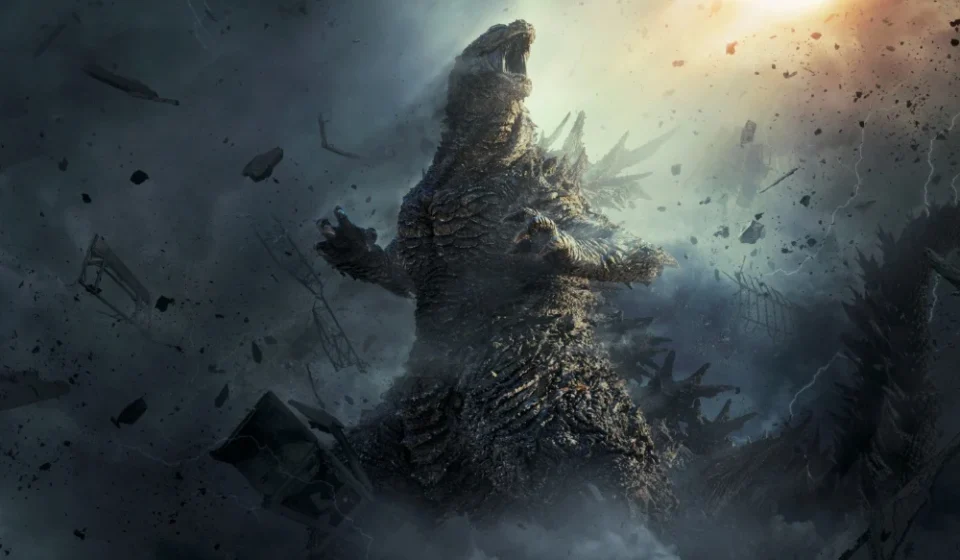
The festival’s centerpiece, Godzilla Minus Zero, stands as perhaps the most significant announcement in the recent history of the franchise. Directed by Yamazaki Takashi—who returns after his monumental success with Godzilla Minus One—the film is framed as the definitive conclusion to the narrative arc ignited by its predecessor.
Godzilla Minus One captured the global imagination, culminating in a historic win for Best Visual Effects at the 96th Academy Awards. Godzilla Minus Zero aims to capitalize on that momentum, picking up the story two years after the events of the original. As Japan struggles to find its footing in the wake of the devastation caused by the previous encounter, a new, unforeseen threat emerges to challenge the nation’s fragile recovery.
In a landmark move for the Japanese film industry, Godzilla Minus Zero marks the first time a domestic feature has been shot specifically for Imax screens. This technical evolution underscores the ambition of Toho Co., Ltd., which is set to release the film in Japanese theaters on November 3. The return of lead actors Kamiki Ryunosuke and Hamabe Minami ensures a narrative continuity that fans are expected to embrace with fervor.
Chronology of a Legacy: From "Minus One" to "Minus Zero"
The transition from Godzilla Minus One to Minus Zero is not merely a commercial follow-up but a creative evolution. While the first film focused on the immediate, visceral trauma of postwar Japan and the existential threat posed by the kaiju, Minus Zero explores the sociological and psychological aftermath of living under the constant shadow of annihilation.
Yamazaki Takashi, acting as director, writer, and visual effects supervisor, has created a unique "auteur" environment for the monster series. By centering the story on the survivors of the first attack, the film bridges the gap between traditional creature-feature spectacle and a character-driven drama. This approach has proven successful, as seen in the Oscar-winning performance of the previous entry. The festival’s decision to showcase this film as the centerpiece highlights the global influence of Japanese genre cinema and the maturation of the Godzilla brand in the 21st century.
Opening the Curtain: The Melodic Echoes of Sukiyaki
While the festival leans into the intensity of the Godzilla franchise, it opens on a note of poignant nostalgia with Sukiyaki. Directed by Zeze Takahisa and written by Minato Takehiko, the film chronicles the meteoric rise of the 1963 song "Sukiyaki," a track that famously held the No. 1 spot on the U.S. Billboard chart for three consecutive weeks—a feat that remains a point of immense pride in Japanese musical history.
The film delves into the lives of the three architects of the hit: composer Nakamura Hachidai, lyricist Ei Rokusuke, and the iconic singer Sakamoto Kyu. Played by a powerhouse trio of Japanese stars—Okada Junichi, Matsuzaka Tori, and Nakano Taiga—the film explores the creative friction and eventual triumph of these artists as they navigated the complexities of the postwar era.
Sukiyaki is scheduled for a wide release in Japan on December 25, positioning it as a major holiday feature. Its selection as the opening film signals a return to the "prestige drama" roots of the Tokyo International Film Festival, grounding the event in the human stories that define national identity.
The Closing Act: Yeon Sang-ho’s Colony
If the festival opens with the harmony of music, it closes with the pulse-pounding tension of the undead. Colony, the latest thriller from Korean visionary Yeon Sang-ho (best known for the global phenomenon Train to Busan), will serve as the closing film.
Set within the confines of a high-rise Seoul skyscraper during a bioterror attack, Colony follows Professor Se Jeong as he attempts to survive an environment where the infected are evolving, demonstrating a collective intelligence previously unseen in the zombie subgenre. Featuring an ensemble cast led by Gianna Jun, Koo Kyo-hwan, and Ji Chang-wook, the film has already garnered critical acclaim following its midnight screening at the Cannes Film Festival.
Its inclusion in the TIFF lineup is a testament to the festival’s commitment to bridging the cinematic markets of Japan and South Korea. Gaga Corporation, the film’s Japanese distributor, has slated the release for 2027, making the TIFF screening a rare and early opportunity for Japanese audiences to engage with a work that is already topping box office charts across Asia.
Official Responses and Programming Vision
Ichiyama Shozo, the driving force behind this year’s curation, has been vocal about the strategic importance of this selection. Regarding Godzilla Minus Zero, he remarked that it is "a true sequel… [that] brings a powerful new interpretation of Godzilla, delivering a level of surprise that far exceeds expectations."
His sentiment regarding Sukiyaki echoes the festival’s dedication to cultural legacy: "It tells the dramatic stories of three artists who inspired people in postwar Japan, interwoven with a collection of musical masterpieces. We are delighted to open the festival with this moving film, which stars three of today’s most prominent Japanese actors."
Perhaps most compelling is his assessment of Colony. Reflecting on the state of genre film, Ichiyama noted that while zombie narratives have become a staple of modern horror, "this film makes us realize that the genre still possesses untapped potential." He categorized the film as the most emotionally impactful piece he encountered during his time at this year’s Cannes festival.
Implications for the Industry
The 39th Tokyo International Film Festival arrives at a critical juncture for the Asian film industry. The overlap with TIFFCOM 2026—the prestigious industry market organized by the Japanese Ministry of Economy, Trade and Industry, and other government bodies—suggests that the festival is functioning as more than just a public event. It is a hub for global co-production and distribution strategies.
The success of Godzilla Minus One in the international market has created a new standard for Japanese exports. By showcasing Godzilla Minus Zero alongside a major Korean co-production like Colony and a historical drama like Sukiyaki, TIFF is positioning itself as the primary gateway for Asian cinema to reach Western markets.
Furthermore, the emphasis on high-quality production values—from the Imax-ready visuals of the new Godzilla to the narrative depth of Sukiyaki—suggests that the industry is moving away from low-budget niche content toward high-concept, globally competitive filmmaking.
Looking Ahead: A Festival for the Future
The 39th Tokyo International Film Festival is poised to be a landmark event. By honoring the past through the musical history of Sukiyaki, testing the limits of current genre tropes with Colony, and redefining the scale of cinematic spectacle with Godzilla Minus Zero, the festival provides a comprehensive look at the state of film in 2026.
As industry professionals and cinephiles descend upon Tokyo this October, the conversation will likely shift from the films themselves to the broader implications of their success. With the support of Unijapan and the collaborative spirit of the participating international partners, the festival serves as a vital reminder that cinema, even in an age of fragmented media, remains a unifying global language—one that is currently being spoken with remarkable clarity and power in Tokyo.