Beyond the Ponderosa: Why David Dortort’s "The High Chaparral" Remains a Masterpiece of the Western Genre

In the annals of television history, few names loom as large as David Dortort. Best known as the architect of Bonanza—the second-longest-running Western in television history—Dortort effectively defined the "family ranch" trope that dominated American living rooms for decades. However, while Bonanza cemented his legacy as a titan of the medium, it was his subsequent project, The High Chaparral, that revealed the true depth of his creative ambition. Starring Leif Erickson, this gritty, nuanced, and frequently overlooked series stands today as a testament to a visionary storyteller who refused to repeat himself.
The Architect of the West: David Dortort’s Television Empire
Before the sweeping vistas of the Ponderosa became a household staple, David Dortort was already a seasoned veteran of the Western genre. Throughout the 1950s, he cut his teeth in the industry by penning screenplays for films like Reprisal! (1956) and The Big Land (1957). His transition into television was marked by his work on The Restless Gun, a series starring John Payne as an itinerant gunslinger. This production caught the attention of NBC executive Alan Livingston, who recognized in Dortort a unique ability to blend high-stakes drama with character-driven narratives.
The result of that partnership was Bonanza, a juggernaut that spanned 431 episodes over 14 seasons. For most showrunners, the success of Bonanza would have been the pinnacle of a career. Yet, by the mid-1960s, as Bonanza entered its eighth season, Dortort began to itch for a change. He sought to move away from the rigid, wholesome archetypes of the Cartwright family and explore the harsh, uncompromising realities of the 1870s Arizona Territory.
Chronology of an Underrated Classic
The development of The High Chaparral was not merely a side project; it was a deliberate evolution of the Western format. In 1967, while still overseeing the juggernaut that was Bonanza, Dortort began laying the groundwork for his new series.
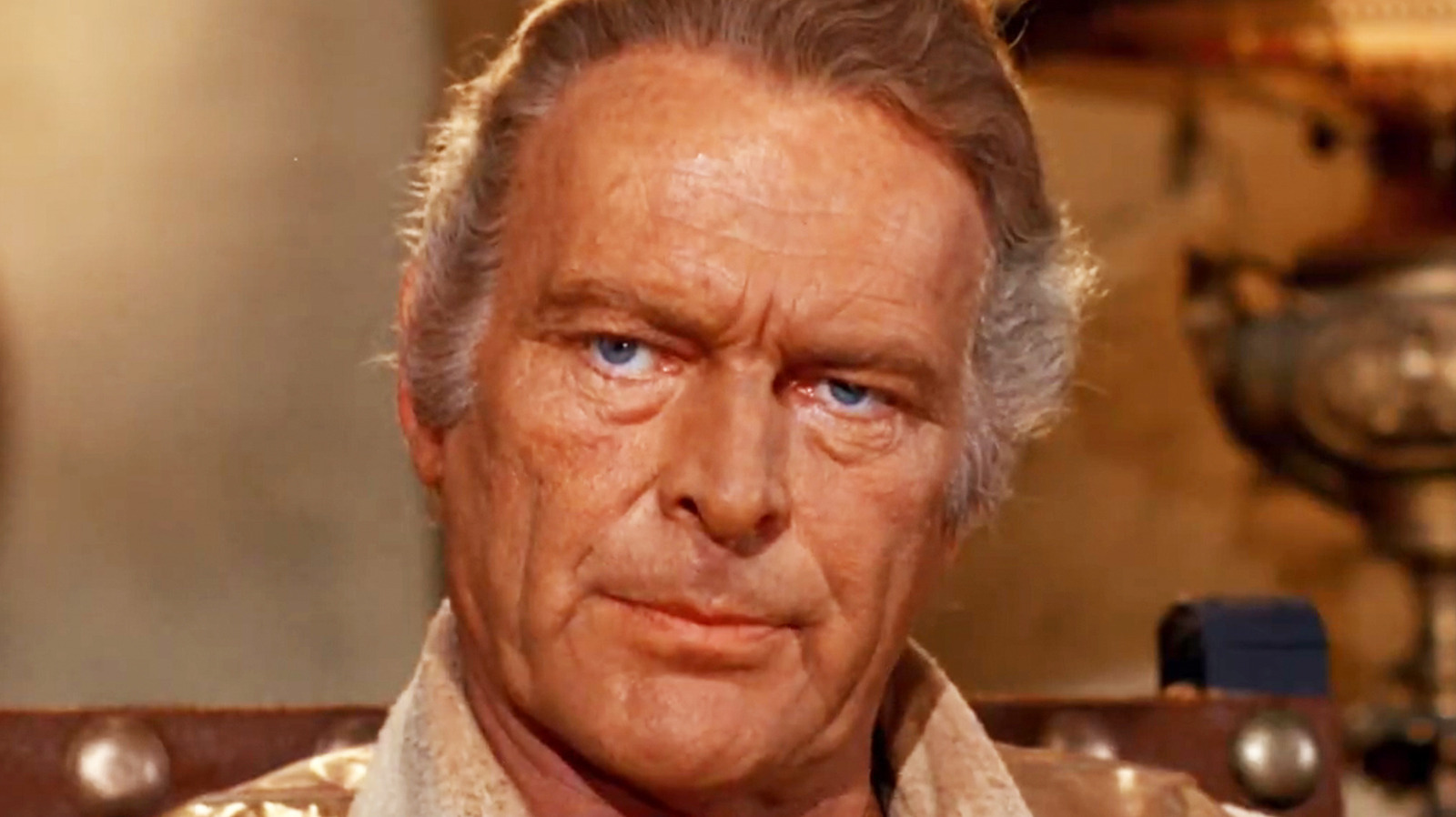
- 1967 (September): The two-hour pilot episode of The High Chaparral airs on NBC, introducing audiences to "Big John" Cannon.
- 1967–1971: The series runs for four seasons, navigating a shifting television landscape that was beginning to favor more "realistic" portrayals of violence and social friction.
- 1971 (March): The series concludes its run, leaving behind a legacy that was, for decades, overshadowed by the massive syndication success of Bonanza.
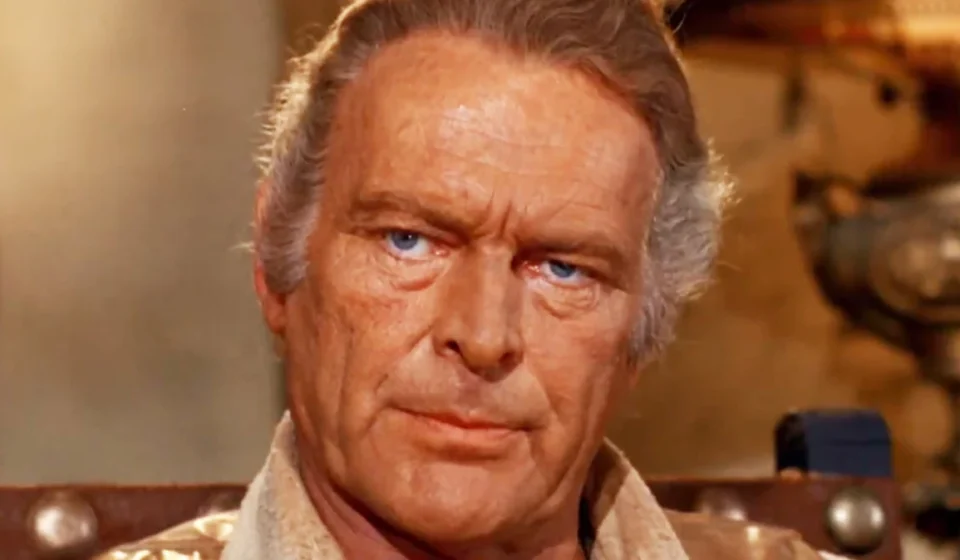
The premise of the show was starkly different from its predecessor. Leif Erickson played "Big John" Cannon, a man whose life is defined by tragedy. In the very first episode, his wife, Anna-Lee (Joan Caulfield), is killed by a Native American arrow—a mirror to the fate of the Cartwright matriarchs, but one that signaled a far more dangerous setting. Unlike the lush, green mountains of Lake Tahoe, the Arizona setting of The High Chaparral was dusty, sweltering, and perpetually on the brink of conflict.
The Dynamics of a Broken Frontier: Supporting Data and Characters
What truly set The High Chaparral apart was its cast and the complex interpersonal dynamics Dortort injected into the script. The Cannon family was not a static unit of moral perfection; they were survivors.
The family included John’s brother, the former soldier Buck (Cameron Mitchell), and John’s son, Billy Blue, or "Blue Boy" (Mark Slade). The arrival of Victoria Cannon (Linda Cristal), the daughter of the wealthy Mexican rancher Don Sebastián Montoya (Frank Silvera), added a layer of international and social friction that Bonanza rarely touched. The marriage between John and Victoria—initially arranged and complicated by a significant age gap—became a focal point for the series, evolving into a genuine, if often strained, romance that mirrored the fragile peace between the Anglo settlers and their Mexican neighbors.
Dortort was insistent on breaking the mold. As he later remarked in interviews with the Television Academy, he specifically wanted to highlight the tension between father and son, a point of friction that was noticeably absent in the harmonious Ponderosa. He also sought to challenge the prevailing tropes of the time by focusing on how two disparate cultures could learn to coexist, rather than simply exist in a state of perpetual warfare.
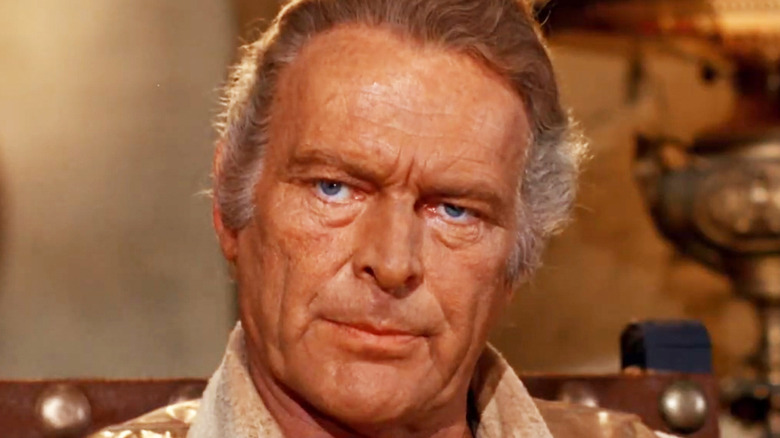
Official Perspectives: The Creator’s Vision
David Dortort’s creative philosophy was rooted in humanism, even within the confines of a genre known for its gunfights. He famously aimed to "go against the grain" of traditional Westerns. By bringing in collaborators like composer David Rose—who had worked on the iconic Bonanza theme—Dortort ensured the show maintained a high production quality, even as the narrative shifted toward a more "rugged" aesthetic.
In retrospect, the show served as a bridge between the classic, morality-play Westerns of the 1950s and the more cynical, revisionist Westerns that would emerge in the 1970s. Dortort did not want his characters to be simple heroes; he wanted them to be messy, flawed, and occasionally vulnerable. The inclusion of Manolito (Henry Darrow), Victoria’s brother, brought a charismatic, roguish energy to the ranch, balancing the stern, stoic nature of Big John. This interplay of personalities helped the show survive for four seasons, a respectable run that allowed it to explore deep themes of grief, prejudice, and the struggle for land rights in the post-Civil War era.
The Cultural Implications: Why It Deserves a Second Look
Despite its initial success, The High Chaparral has often been sidelined in modern discussions about "Great TV Westerns." This is a disservice to the medium. The show’s willingness to address the complexities of the Mexican-American border experience in the 1870s was decades ahead of its time.
Furthermore, the guest list of The High Chaparral reads like a "who’s who" of 1960s and 70s acting talent. Stars like Rory Calhoun, Robert Loggia, and a young Kurt Russell—who also appeared on Gunsmoke—brought an intensity to the show that elevated its episodic plots into something more memorable.
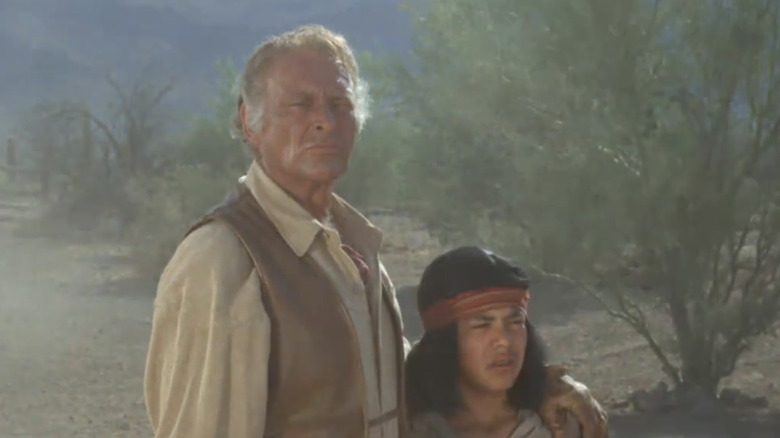
The implications of The High Chaparral for the television landscape are significant. It proved that audiences were hungry for stories that didn’t rely on simple "good vs. evil" dynamics. It pushed the boundaries of the Western, challenging the viewer to consider the perspectives of both the settlers and the indigenous peoples, as well as the cultural clash between the American and Mexican ranching traditions.
Conclusion: A Legacy Reclaimed
Today, as streaming services and home media continue to preserve the history of television, The High Chaparral is finding a new audience. It is no longer just a "rugged version of Bonanza." It is a standalone work of art that captures the anxieties and ambitions of a nation in transition.
David Dortort was a legend who deserves more love, not just for the empire he built, but for the risks he took when he had nothing left to prove. He could have rested on the massive royalties and enduring fame of the Ponderosa. Instead, he ventured into the Arizona heat to create something harder, stranger, and more profound. For those looking to understand the evolution of the television drama, The High Chaparral is not just an underrated Western; it is an essential piece of American cultural history that demands to be watched, analyzed, and celebrated.