Beyond the Ring: The Hidden Cinematic DNA Connecting HBO’s ‘Lanterns’ to a Western Masterpiece

The new DC Universe is currently recalibrating audience expectations with Lanterns, a gritty, grounded series on HBO Max that has traded the typical cosmic spectacle of the Green Lantern Corps for something far more visceral. Often described as a fusion of True Detective and Watchmen, the series leans heavily into the tropes of a neo-Western, trading laser blasts for long shadows, small-town secrets, and the weight of moral ambiguity.
While viewers have been quick to pick up on the show’s dark, investigative tone, many have overlooked a fascinating piece of casting trivia that links this burgeoning DC property to one of the most critically acclaimed films of the 21st century. The series features a significant reunion between two veteran actors whose paths last crossed in the dust-choked, tension-filled landscape of Joel and Ethan Coen’s 2007 Oscar-winning masterpiece, No Country for Old Men.
The Convergence of Two Gritty Worlds
Lanterns follows an unlikely partnership between the stoic, veteran Lantern Hal Jordan (Kyle Chandler) and the determined, newly recruited John Stewart (Aaron Pierre). Tasked with investigating a series of murders in the American heartland, the pair finds themselves navigating a conspiracy that feels worlds apart from the typical superhero "save the world" narrative.
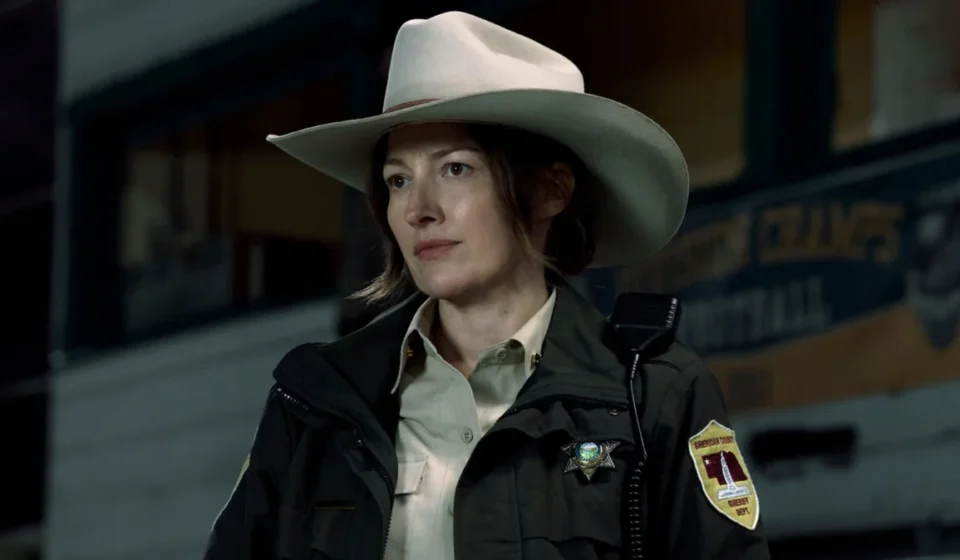
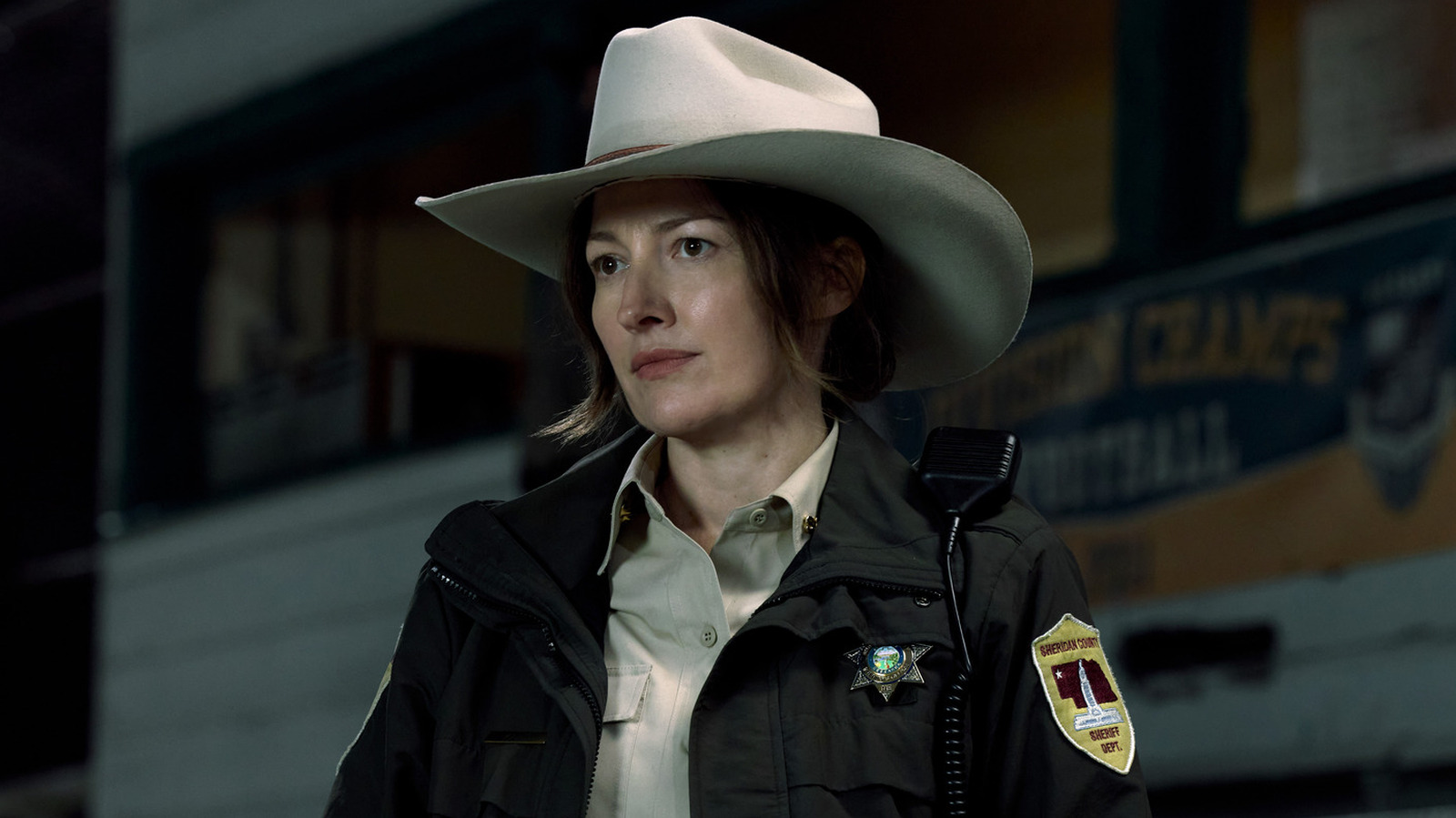
Within this bleak, atmospheric landscape, Kelly Macdonald stars as Sheriff Kerry Kane, a law enforcement officer grappling with forces beyond her comprehension. Opposite her is Garret Dillahunt, who portrays Will Macon, the leader of a local militia bracing for an extraterrestrial threat. While these performances are standout additions to the DC Universe, the chemistry between the two actors feels remarkably seasoned—and for good reason.
Macdonald and Dillahunt previously shared the screen in the Coen Brothers’ adaptation of Cormac McCarthy’s No Country for Old Men. That film, which swept the Academy Awards and remains a gold standard for the modern Western thriller, provided a masterclass in tension, silence, and the encroaching nature of inevitable evil. Seeing both actors return to a project that shares such a distinct, brooding Western sensibility is a meta-textual treat for cinephiles.
A Chronology of a Shared Legacy
To understand the weight of this reunion, one must look at the trajectory of both actors within the context of these two very different, yet tonally adjacent, projects.
The 2007 Phenomenon: No Country for Old Men
In the Coen Brothers’ film, Kelly Macdonald delivered an indelible performance as Carla Jean Moss, the wife of the protagonist Llewelyn Moss. Her character was the emotional anchor of the film—a woman caught in the crosshairs of a conflict she neither understood nor invited.
Garret Dillahunt, meanwhile, played Wendell, a deputy to Sheriff Bell (Tommy Lee Jones). Dillahunt’s role as the weary, pragmatic lawman provided a necessary foil to the relentless and surreal violence perpetrated by Javier Bardem’s Anton Chigurh. No Country for Old Men was more than a film; it was a cultural event that redefined the Western, proving that the genre could remain relevant by stripping away the romanticism of the Old West and replacing it with the nihilism of the modern era.
The 2026 Expansion: Lanterns
Fast forward to 2026, and the landscape has shifted from the Texas borderlands to the DC Universe. In Lanterns, the dynamic has flipped. Macdonald, once the civilian caught in the middle, is now the authoritative Sheriff Kerry Kane, upholding the law in a town that is becoming a nexus for intergalactic mystery. Dillahunt’s Will Macon occupies a more volatile space, reflecting the paranoid, survivalist energy often found in the classic Westerns he helped define nearly two decades ago.
Supporting Data: Why This Connection Matters
The inclusion of actors with such deep roots in the Western genre is not mere coincidence; it is a stylistic choice by the showrunners. Lanterns is actively positioning itself as a "prestige" genre piece. By recruiting talent who have already mastered the art of "less is more" storytelling, the production team ensures that the show feels grounded in a reality that feels lived-in and dangerous.
According to industry reports and fan analysis, No Country for Old Men has been cited by various critics as the definitive Western of the 21st century. Its influence on Lanterns goes beyond just casting. The cinematography in Lanterns—utilizing vast, empty landscapes and tight, claustrophobic interiors—echoes the visual language of Roger Deakins’ work on the Coen Brothers’ film.
Furthermore, the narrative structure of Lanterns—a slow-burn investigation involving a mysterious, relentless force—mirrors the pursuit dynamic of the 2007 film. While Hal Jordan and John Stewart are not exactly chasing a briefcase of cash, the psychological toll of their investigation evokes the same sense of dread that defined the hunt for Llewelyn Moss.
Official Perspectives and Behind-the-Scenes Insights
The production of Lanterns has been framed as a pivotal moment for the DC Universe. Showrunner Chris Mundy has been vocal about his desire to move away from the "event" style of previous DC adaptations in favor of character-driven, episodic mystery.
While neither Macdonald nor Dillahunt has spoken extensively about their reunion, sources from the set have suggested that their shared history allowed them to establish a rapport quickly, which proved essential for the high-stakes, high-tension scenes required by the show’s script.
Furthermore, the show has already begun to seed broader connections within the DC Universe. As noted in recent episodes, Sheriff Kerry Kane possesses a subtle, yet significant, connection to the legacy of Batman, linking this small-town drama to the wider lore of Gotham City. This adds a layer of depth to Macdonald’s character, suggesting that she is more than just a local law enforcement official—she is a piece of a much larger, darker puzzle.
Implications for the Future of the DC Universe
What does this tell us about the direction of the DC Universe under the new leadership? It signals a shift toward genre-blending. By treating superheroes as characters in a procedural or a Western, the DC Universe is attempting to court an audience that appreciates the craft of television as much as the spectacle of comic book lore.
The presence of No Country for Old Men alumni suggests that the creators are prioritizing acting pedigree. They are building a world where the stakes feel personal and where the characters are as flawed and complex as their cinematic predecessors.
Will There Be a Second Season?
The question of a second season remains a topic of intense speculation. Showrunner Chris Mundy has explicitly stated that he has a specific condition for returning for a follow-up season, focusing on the preservation of the show’s grounded, high-quality narrative integrity. Should the show continue, the roles of Macdonald and Dillahunt may evolve, but their contribution to the show’s current, critically acclaimed aesthetic remains a foundational element of the series’ success.
Conclusion
Lanterns stands as a testament to how far the superhero genre has traveled. It is a show that invites us to look closer—to spot the references, to appreciate the casting choices, and to understand that the best stories often borrow from the legends that came before them. The subtle nod to No Country for Old Men through the performances of Kelly Macdonald and Garret Dillahunt serves as a reminder that even in a universe of gods and rings, the most compelling stories are still found in the quiet, dangerous corners of the human heart.
As the series continues to unfold on HBO Max, fans should keep a watchful eye. If the showrunners continue to pull from the DNA of cinematic masterpieces, Lanterns may well become the definitive DC series for years to come.