Echoes of the "Gone Girl" Era: Why ‘The Girl on the Train’ Remains a Definitive Cultural Artifact

In the landscape of 2010s psychological thrillers, few cultural tremors were as significant as the release of Gillian Flynn’s Gone Girl. Both the novel and David Fincher’s 2014 cinematic masterclass set a new gold standard for the "unreliable narrator" trope, igniting a literary and cinematic obsession with domestic noir. Among the most prominent—and polarizing—products of this post-Gone Girl gold rush is the 2016 adaptation of Paula Hawkins’ The Girl on the Train. Now available on Netflix, the film serves not merely as a murder mystery, but as a fascinating, if flawed, time capsule of a period where Hollywood was desperate to bottle the lightning of a specific, twisted brand of suspense.
Main Facts: The Anatomy of a Thriller
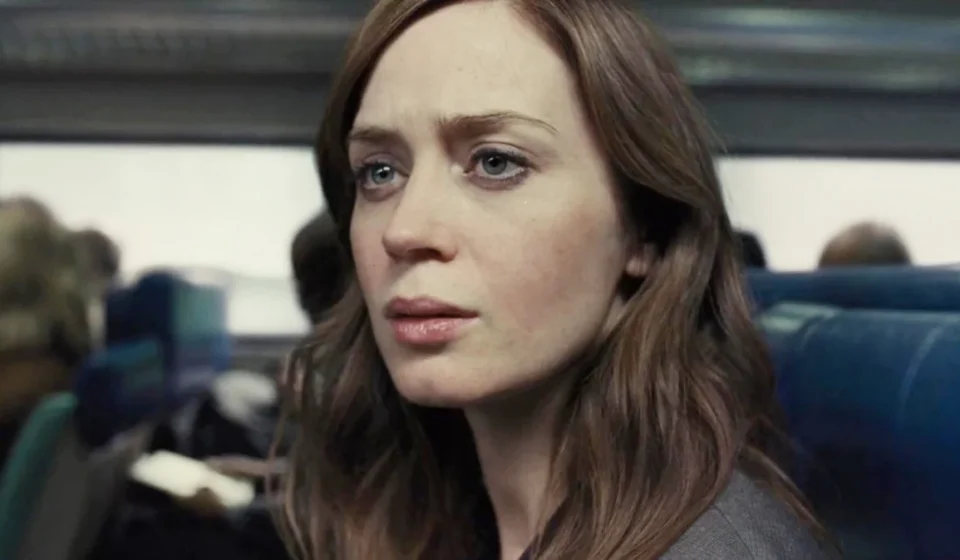
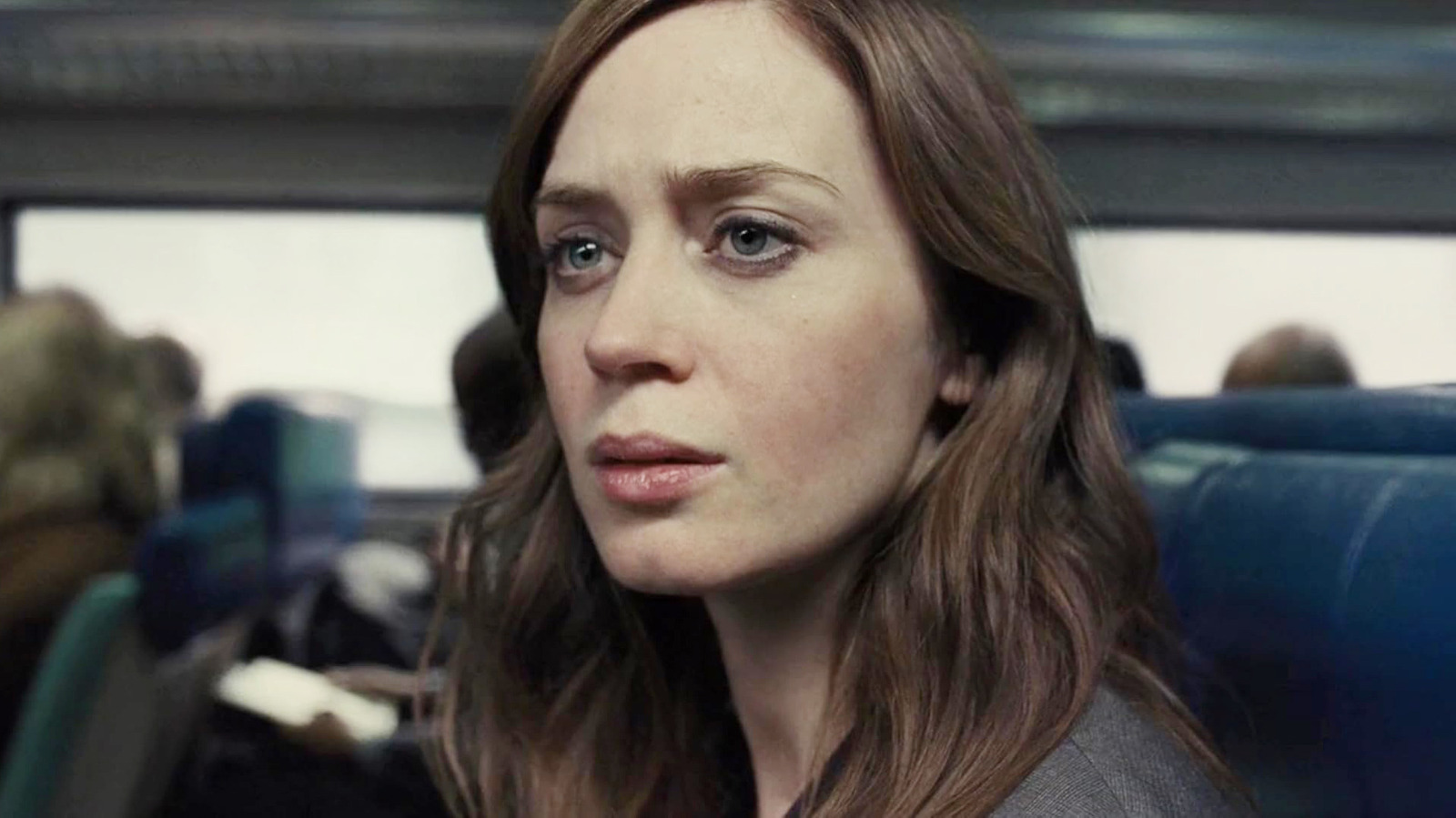
Directed by Tate Taylor—best known for the 2011 drama The Help—and adapted for the screen by Erin Cressida Wilson, The Girl on the Train follows the downward spiral of Rachel Watson, played with desperate, glassy-eyed intensity by Emily Blunt.
The premise is deceptively simple: Rachel is a recent divorcee struggling with severe alcoholism and a fractured memory. Her only solace is a daily commuter train ride, during which she fixates on a "perfect" couple she observes from her window, Megan (Haley Bennett) and Scott Hipwell (Luke Evans). When Megan suddenly disappears, Rachel finds herself entangled in a high-stakes investigation that forces her to confront her own fragmented psyche.
While the film boasts an A-list cast, including Allison Janney as Detective Riley and Justin Theroux as Rachel’s ex-husband, Tom, it has long been criticized for its messy narrative structure and its inability to capture the tight, razor-sharp tension of the source material. It remains a polarizing entry in the genre, functioning more as a case study in mid-2010s trend-chasing than a standalone masterpiece.
Chronological Overview: From Page to Screen
To understand why The Girl on the Train occupies such a strange space in contemporary film history, one must look at the timeline of the "domestic thriller" explosion.
- 2012: Gillian Flynn publishes Gone Girl, a global phenomenon that redefines the thriller genre.
- 2014: David Fincher’s film adaptation is released, cementing the "unreliable female narrator" as the industry’s most sought-after archetype.
- 2015: Paula Hawkins’ novel The Girl on the Train hits shelves. It is immediately hailed as the next big thing, selling millions of copies and becoming a cultural staple.
- 2016: Universal Pictures fast-tracks the film adaptation. Directed by Tate Taylor, the production moves the setting from London to the suburbs of New York City.
- 2016 (October): The film premieres in theaters to mixed reviews but finds a robust audience, grossing over $173 million worldwide.
- 2024/2025: The film finds a new life on streaming platforms like Netflix, inviting modern audiences to re-evaluate its legacy within the context of the sub-genre it helped define.
Supporting Data: The "Gone Girl" Effect
The influence of Gone Girl on the film industry cannot be overstated. After the success of Amy Dunne’s Machiavellian schemes, studios spent years aggressively acquiring the rights to any manuscript featuring a female lead, a dark secret, and a suburban setting.
The Girl on the Train was the direct beneficiary of this climate. However, the film serves as a cautionary tale regarding the "copycat" phenomenon. While Gone Girl succeeded because of its precise character study and subversion of misogynistic tropes, many of the films that followed—including The Girl on the Train—tended to lean into "schlocky" melodrama.
Critics have noted that where Fincher’s film utilized aesthetic restraint, Taylor’s adaptation relies heavily on disorienting, slow-motion sequences and a convoluted plot that often feels "overstuffed." The film’s inclusion of characters like Dr. Kamal Abdic (Édgar Ramírez) feels less like necessary narrative tissue and more like a distraction designed to pad out a runtime that lacks the structural integrity of its predecessor.
The Narrative Conflict: When Subversion Becomes Confusion
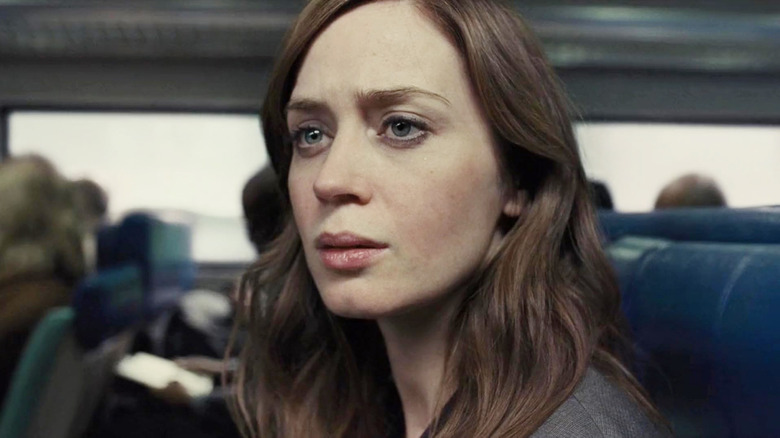
At the heart of the film’s failure to truly land is its handling of the "unreliable narrator." In the book, Rachel’s alcoholism serves as a mechanism for the reader to question her perception of reality. On screen, the film struggles to translate this internal state into a visual language that doesn’t feel exploitative or confusing.
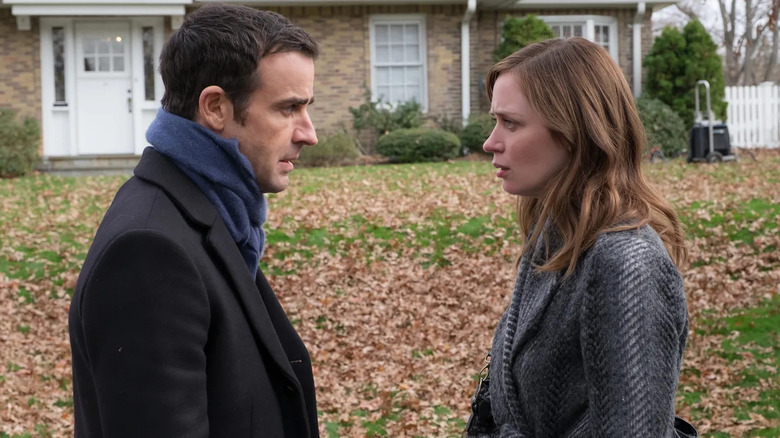
The narrative arc—spoilers notwithstanding—eventually reveals that Rachel’s ex-husband, Tom, was the true antagonist, having gaslit her for years to hide his own predatory behavior and infidelity. While the reveal attempts to empower the female characters—culminating in an alliance between Rachel and Tom’s current wife, Anna (Rebecca Ferguson)—the journey to this conclusion is littered with so many red herrings that the ultimate resolution feels more like a relief that the film is ending than a satisfying narrative payoff.
Implications: A Genre in Retrospection
Why do we still care about The Girl on the Train? The answer lies in its status as a cultural artifact. The film is a clear window into the late 2010s, a time when the publishing and film industries were obsessed with "dark" domesticity.
This trend eventually reached a point of parody. Following the release of The Woman in the Window (2021), a film that faced its own critical drubbing, the industry finally acknowledged that the Gone Girl formula had been bled dry. The existence of the satirical Netflix series The Woman in the House Across the Street from the Girl in the Window serves as the final nail in the coffin for this specific wave of thrillers. It poked fun at the exact tropes The Girl on the Train popularized: the wine-drinking protagonist, the view from the window, and the mysterious neighbors.
Official Responses and Critical Reception
At the time of its release, The Girl on the Train was met with a tepid response from critics. On platforms like Rotten Tomatoes, the film holds a "Rotten" score, with many reviewers noting that despite Emily Blunt’s valiant performance—which was widely praised as the film’s saving grace—the screenplay failed to elevate the source material.
Tate Taylor’s direction was often cited as a point of contention. Critics felt that his stylistic choices clashed with the grit required for a story about trauma and addiction. Despite the critical cold shoulder, the film performed well enough at the box office to prove that, at the time, audiences were still ravenous for "train-wreck" style thrillers.
Conclusion: A Lingering Legacy
Watching The Girl on the Train today on Netflix is an exercise in nostalgia for a very specific, very messy era of pop culture. It is not a "good" movie by the standards of high-art cinema, yet it is a deeply interesting one. It represents the height of an industry trend that prioritized high-concept, twist-heavy narratives over nuance.
For viewers who enjoy dissecting the history of film tropes, The Girl on the Train is essential viewing. It reminds us that while the "unreliable narrator" can be a powerful tool in the hands of a master like Gillian Flynn, it is a fragile instrument that can easily shatter when handled by those simply trying to replicate a trend. As we look back, we see that the film’s true value isn’t in its mystery, but in its role as a clear marker of a time when the psychological thriller genre was searching for its next identity—and finding itself, quite literally, off the rails.