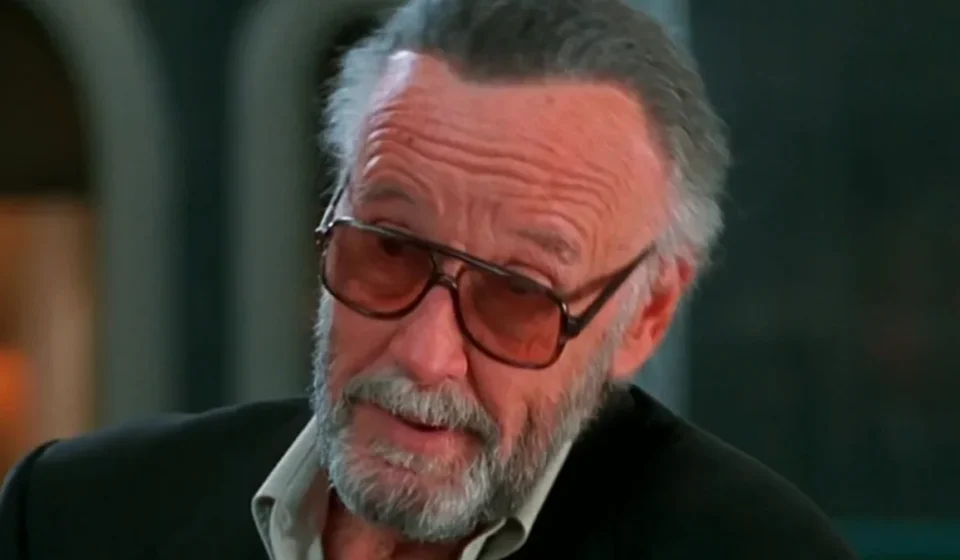

In the pantheon of 20th-century pop culture, few figures loom as large or as colorfully as Stan Lee. The architect of the Marvel Universe, Lee was more than a writer; he was the primary engine behind a myth-making machine that has transformed global cinema. Yet, for all his monumental success and the eventual multi-billion-dollar dominance of the Marvel Cinematic Universe, Lee’s journey was paved with internal conflict—specifically, a profound sense of professional inadequacy.
It is a striking paradox: the man who gave the world Spider-Man, the X-Men, and the Fantastic Four once felt the weight of societal judgment, viewing his own profession as trivial compared to "serious" work.
The Burden of the Page: A Career Born in Hesitation
Stan Lee’s career began in an era when comic books were viewed not as literature, but as ephemeral, disposable distractions for children. In the mid-20th century, the literary establishment looked down upon the medium with disdain. While his contemporaries pursued careers in medicine, engineering, or traditional journalism, Lee found himself penning scripts for characters in spandex.
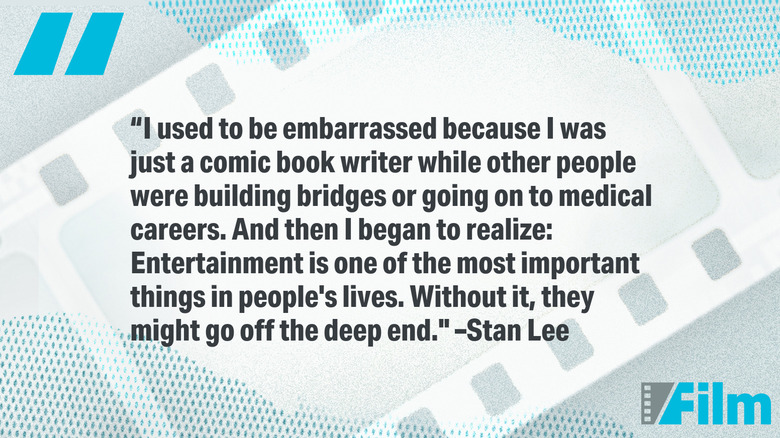
"I used to be embarrassed because I was just a comic book writer while other people were building bridges or going on to medical careers," Lee admitted in a 2010 interview with The Washington Post.
This admission, shared when he was in his late 80s, reveals a man who spent decades measuring his worth against the rigid yardstick of traditional professional success. It wasn’t until he matured into his role as a cultural icon that he recognized the fundamental truth of his craft: the power of entertainment to stabilize and uplift the human condition.
Chronology of a Cultural Shift
The arc of Lee’s professional perception mirrors the trajectory of the comic book industry itself.
- The Early Years (1940s–1950s): Lee started at Timely Comics (the predecessor to Marvel) at a young age. During this period, the industry was strictly functional—a grind of tight deadlines and low pay. The social stigma surrounding comics was pervasive, leading many creators to use pseudonyms to hide their work from their families or social circles.
- The Marvel Revolution (1960s): Alongside visionaries like Jack Kirby and Steve Ditko, Lee fundamentally changed the medium. He introduced character depth, internal struggle, and moral ambiguity to superheroes. Despite this creative leap, the public perception of comics remained largely stagnant.
- The Adaptation Era (1980s–2000s): As Marvel properties began to transition to television and film, the "legitimacy" of the source material was often challenged. Early adaptations, such as the Incredible Hulk television series, often attempted to strip away the "comic book" elements to make the content more "palatable" for general audiences, a trend that Lee often found frustrating.
- The Cinematic Gold Rush (2008–Present): With the birth of the Marvel Cinematic Universe, the stigma finally evaporated. The characters Lee helped create became the bedrock of modern global culture, finally granting comic writers the respect Lee had longed for decades earlier.
The Philosophical Pivot: Entertainment as Essential Service
The turning point for Lee came when he realized that the joy he provided was not a lesser form of service, but an essential one. In the same 2010 reflection, he famously stated: "And then I began to realize: Entertainment is one of the most important things in people’s lives. Without it, they might go off the deep end."
This philosophy moved Lee from a defensive posture to one of pride. He came to view his work as a form of social therapy. By providing stories that resonated with the struggles of the average person—Peter Parker’s financial woes or the X-Men’s experience with prejudice—Lee created a sanctuary for readers.
"I feel that if you’re able to entertain people, you’re doing a good thing," Lee added. "When you’re seeing how happy the fans are… I realize: It’s a great thing to entertain people."
Supporting Data: The Economics of the Comic Legacy
The scale of Lee’s impact is best measured by the sheer magnitude of the empire he helped build. When Lee started, comics were sold at newsstands for pennies. Today, Marvel-based films have grossed over $30 billion globally.
However, this economic success has been a double-edged sword. While the characters became universal, the recognition for the writers and artists who created them often lagged behind. The debate over fair compensation for comic creators remains a heated topic in the industry. As noted in various reports, including investigations into Disney and Warner Bros.’ practices, the creators of these billion-dollar intellectual properties have often had to fight for their fair share of the profits.
The contrast is stark: Lee’s stories are now the most valuable IP in Hollywood, yet the "comic book writer" role he once felt embarrassed by is still fighting for the dignity and financial stability that their literary and screenwriting counterparts enjoy.
The Complicated Legacy of a Legend
While we celebrate Lee’s epiphany, we must also acknowledge the nuances of his legacy. The 2023 documentary Stan Lee and other biographical works like True Believer have sparked necessary conversations about the contributions of his collaborators. Legends like Jack Kirby and Steve Ditko were instrumental in the creation of the Marvel pantheon, and the history of who gets credit—and who gets paid—is complex.
Nevertheless, Lee’s role as the public face of the industry was unmatched. He was the greatest pitchman for the medium, a man who possessed the charisma to bring comic books out of the basement and into the boardroom. He transformed the "comic book guy" from a social outcast into a connoisseur of modern mythology.
Implications: The Future of the Medium
What does Lee’s evolution mean for the next generation of storytellers? It serves as a mandate for validation. If the man who co-created Spider-Man could feel the sting of "just being a comic book writer," it highlights a persistent cultural bias that creators must still work to overcome.
The implication is clear: Art is not defined by its medium, but by its impact. Whether it is a novel, a film, or a graphic novel, the ability to transport an audience, to provide solace during difficult times, and to explore the complexities of the human experience is a noble pursuit.
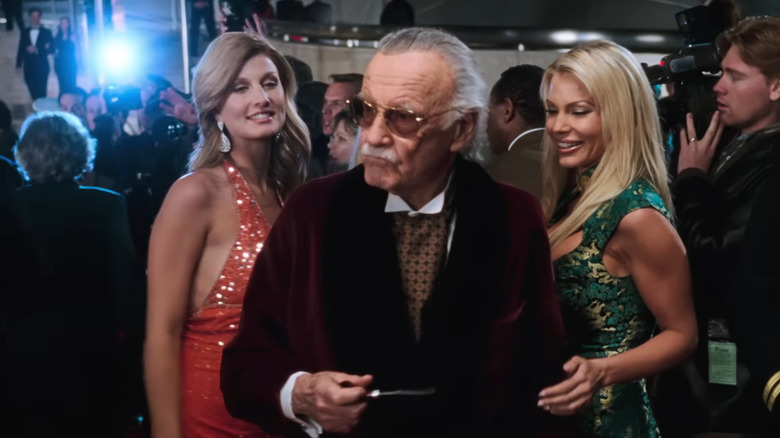
Stan Lee’s journey from shame to confidence is a reminder that we define our own worth. He eventually realized that he wasn’t "just" a writer; he was a creator of worlds, an architect of dreams, and a vital participant in the human story. His legacy is not just in the characters he left behind, but in the permission he gave all creators to stand tall, stop apologizing, and recognize the profound value in the work they do.
As we look back at his 95 years, we see that the bridge he built wasn’t made of steel or concrete, but of ink and imagination—a bridge that connects millions of fans to the stories that make life worth living. That is a legacy far greater than any medical career or bridge-building endeavor he once envied. He was, quite simply, a titan of the page, and the world is significantly more colorful for it.