
In the modern landscape of episodic television, the boundary between "feature-film quality" and serialized streaming content has all but vanished. This shift is nowhere more apparent than in Netflix’s latest high-octane series, Man on Fire. To pull off its ambitious, adrenaline-fueled narrative, the production team relied on a sophisticated marriage of practical stunt work and cutting-edge digital craftsmanship.
In the latest installment of the fxpodcast, VFX Supervisor Kevin Lingenfelser offers an inside look at the technical heavy lifting required to bring this series to life. From the catastrophic collapse of a massive apartment complex to the high-stakes, kinetic tension of a Learjet emergency landing, Lingenfelser breaks down how his team established a new benchmark for visual fidelity in streaming.
The Foundation of Chaos: Scaling the Production
Joining the project in May 2024, Lingenfelser entered a production environment that was undergoing significant structural evolution. Initially conceptualized as an eight-episode narrative spread across four distinct production blocks, the series eventually underwent a consolidation into a tighter seven-episode run during post-production.
Despite this shift, the visual effects workload remained gargantuan. The first block of the series was tasked with a heavy lift: establishing the tone, scale, and inherent danger of the world within minutes of the opening credits. As Lingenfelser explains, the goal was to ensure that the audience was immediately grounded in a reality that felt high-stakes and tangible, setting a precedent that the subsequent six episodes would have to match.
Chronology of Destruction: The Apartment Tower Sequence
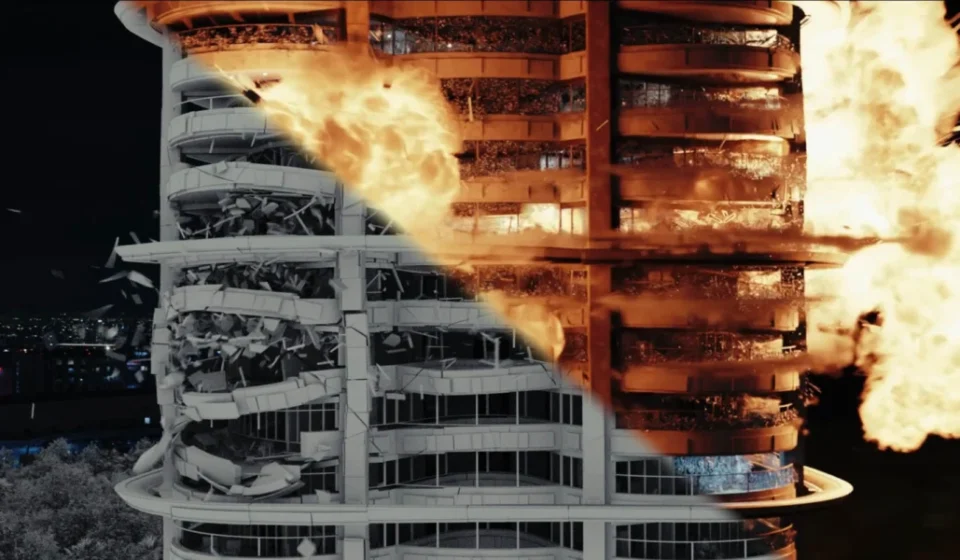
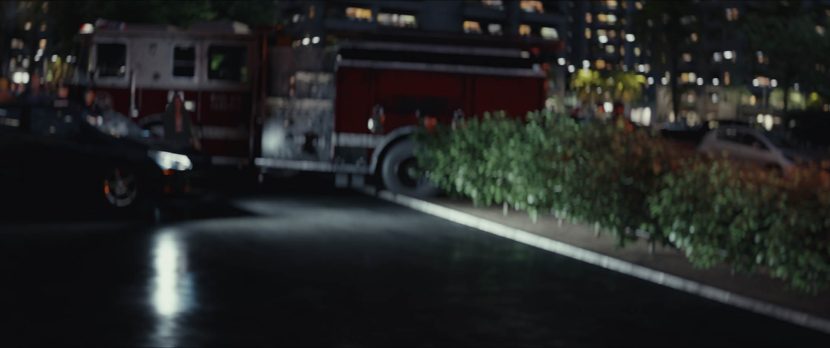
One of the most defining moments of the series is the apartment tower collapse featured in the premiere. The narrative is set against the vibrant, sprawling backdrop of Rio de Janeiro, Brazil. However, the logistical reality of production necessitated a shift in geography; the series was filmed primarily in Mexico, with Mexico City’s urban architecture and surrounding landscapes doubling for the Brazilian metropolis.
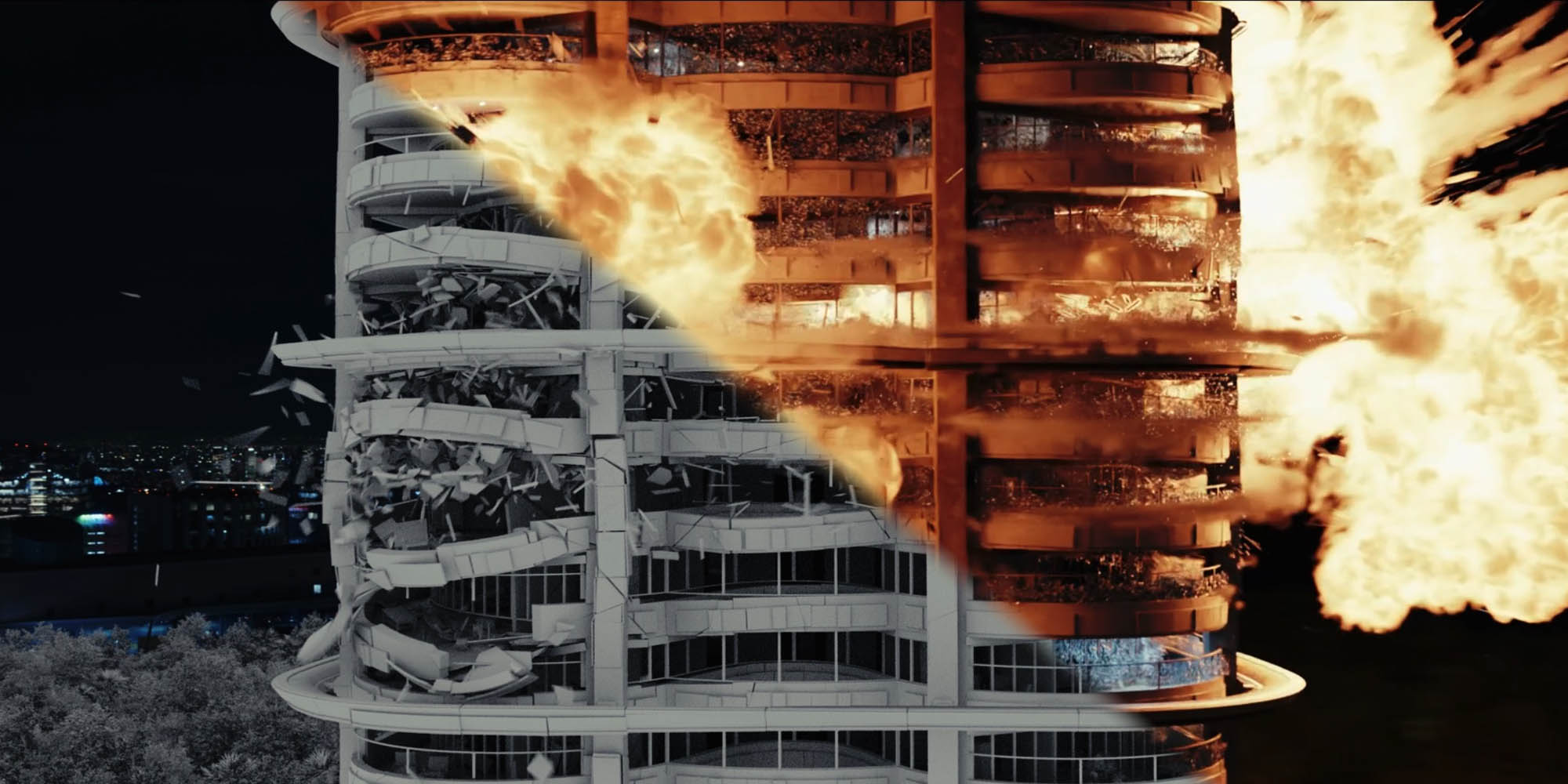
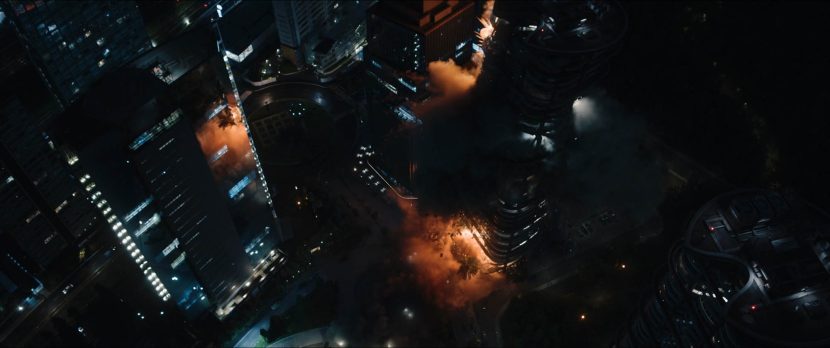
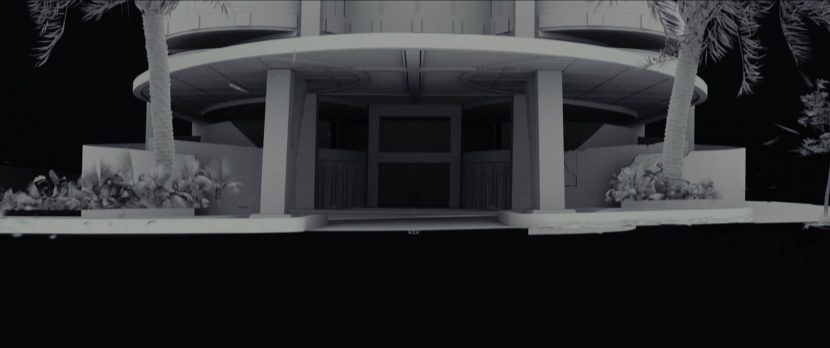
To maintain the illusion, the VFX house RISE was brought on board to create two massive, photorealistic CG towers modeled after a 40-storey condominium complex. The philosophy behind this sequence was "narrative deception." Lingenfelser notes that the buildings needed to be rendered with absolute architectural integrity—every window, balcony, and structural detail had to look mundane and permanent. By creating a convincing, everyday environment, the sudden, violent collapse of the towers serves as a genuine shock rather than a predictable display of CGI pyrotechnics.
The Physics of Debris
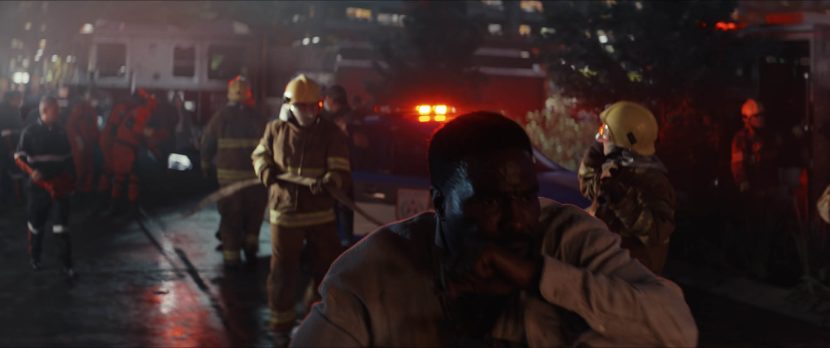
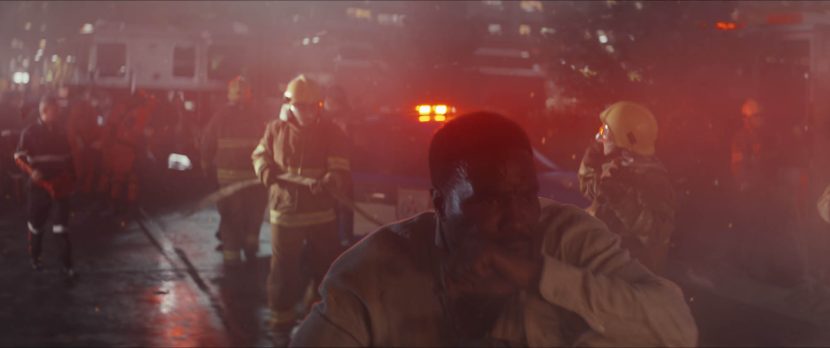
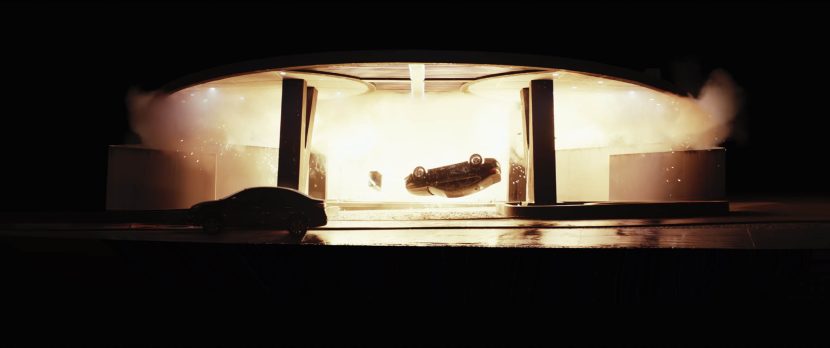
The destruction was intentionally designed to move away from the "clean demolition" trope often seen in blockbuster cinema. Instead, the team focused on "messy, violent, and uncontrolled" physics. RISE developed complex simulation models to handle the architectural failure, focusing heavily on the chaotic behavior of rubble, dust clouds, and structural fragmentation.
To ground the digital spectacle, the production team leaned heavily on practical elements. For instance, the sequence featuring the character Poe (played by Billie Boullet) utilized a physical ratchet pull to capture the raw, sudden force of the collapse’s shockwave. By blending these practical stunt foundations with digital augmentations, the team ensured that the human element of the scene never felt lost within the synthetic environment.
Aerial Ambition: The Learjet Sequence
If the tower collapse represents the show’s scale, the Learjet escape sequence represents its technical precision. The scene is a masterclass in hybrid filmmaking, requiring a multi-layered approach to action photography.
Practicality vs. Performance
The production team began by renting an actual Learjet, which was utilized for high-resolution laser scanning at an airport facility. This provided the digital assets for the team at RISE to work with later. However, for the live-action photography, a partial aircraft buck was constructed. This "towed" mock-up allowed the director to capture dynamic camera angles that would be impossible inside a real, cramped aircraft.
For the interior fight choreography, the production went a step further: the aircraft set was built approximately 15 percent larger than a standard Learjet. This "cheating" of the physical space was essential for the camera team and stunt performers, allowing for complex, wide-angle fight choreography that would otherwise feel claustrophobic or restricted.
Seamless Integration
The final sequence, which features the aircraft performing an emergency road landing, is a testament to the integration of physical and digital assets. A wooden buck served as a placeholder on location, providing the lighting team with accurate reflections and shadows. This gave the final, bullet-riddled digital Learjet a sense of weight and physical presence within the environment, ensuring the viewer’s eye never questioned the reality of the landing.
Supporting Data: The Invisible VFX
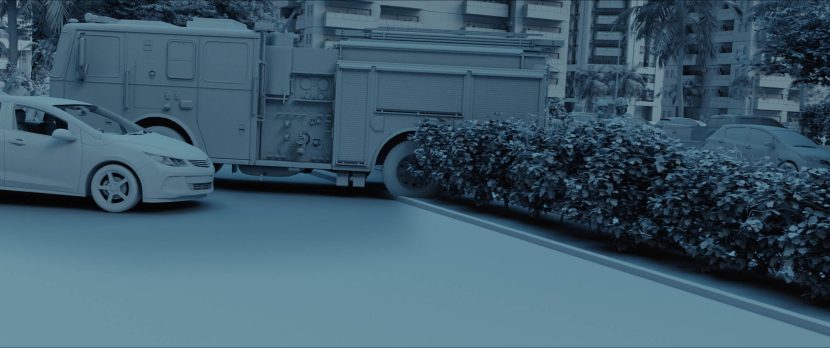
While the explosions and aircraft stunts garner the most attention, a substantial portion of the VFX budget was dedicated to what Lingenfelser calls "invisible effects." Because the show was filmed in Mexico but set in Brazil, the team had to engage in a massive environmental transformation.
This involved:
- Signage Localization: Every street sign, storefront, and billboard visible in the background of exterior shots had to be digitally altered from Spanish to Portuguese.
- Color Grading & Atmos: Adjusting the color palette to reflect the specific lighting and atmospheric conditions associated with Rio.
- Continuity Cleanup: Removing modern-day Mexican landmarks or vehicles that would break the illusion of the show’s specific setting.
This attention to detail ensures that the audience remains immersed in the story without being distracted by geographical inconsistencies, reinforcing the "feature-style action" sensibility that the showrunners aimed to achieve.
Official Perspectives: Lingenfelser’s Creative Philosophy
Throughout the interview, Lingenfelser emphasizes that visual effects should be a service to the performance, not a replacement for it. He expresses particular pride in the opening episodes, noting that the sequence of events—the collapse, the aftermath, and the Learjet escape—was designed to announce the show’s identity with absolute confidence.
"The building collapse delivers the spectacle, but the rubble environment gives it consequence," Lingenfelser remarked. This philosophy—that spectacle must have a physical consequence—is the cornerstone of his approach to the series. By anchoring every digital explosion in a practical reality, the team has succeeded in creating action that feels fast, dangerous, and, most importantly, human.
Implications for the Industry
The success of Man on Fire signals a shift in how television series approach high-stakes action. By moving away from purely green-screen environments and back toward a hybrid model—where practical sets are extended digitally and physical stunts are used as the "ground truth" for simulations—productions are finding that they can achieve a level of realism that was previously reserved for multi-hundred-million-dollar feature films.
For the VFX industry, the project serves as a case study in the importance of pre-production planning. The decision to build a 15-percent-larger aircraft set, the use of physical bucks for location reference, and the early commitment to photorealistic environment scanning all point toward a workflow that prioritizes the final frame’s integrity from the very first day of shooting.
As Netflix continues to expand its catalog of high-budget action content, the techniques employed by Lingenfelser and his team at RISE are likely to become the new standard. Man on Fire proves that when digital artistry is allowed to build upon the foundation of physical filmmaking, the result is not just a series of "cool shots," but a cohesive, visceral experience that defines the next generation of episodic storytelling.