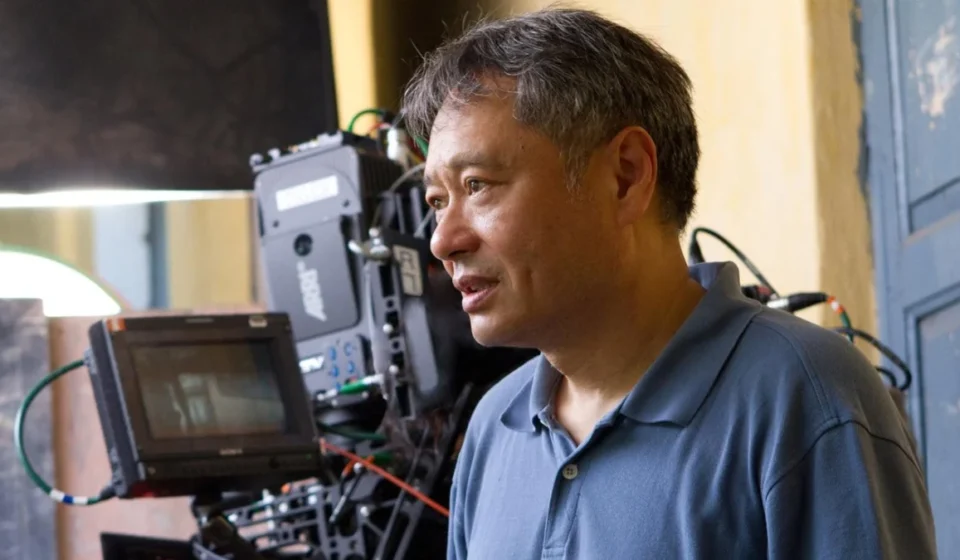

In the vast, interconnected landscape of modern cinema, few filmmakers possess the chameleon-like versatility of Ang Lee. From the reserved, repressed emotions of 19th-century British society in Sense and Sensibility to the gravity-defying, poetic choreography of Crouching Tiger, Hidden Dragon, Lee’s filmography is a testament to the idea that the most profound human dramas often occur beneath the surface.
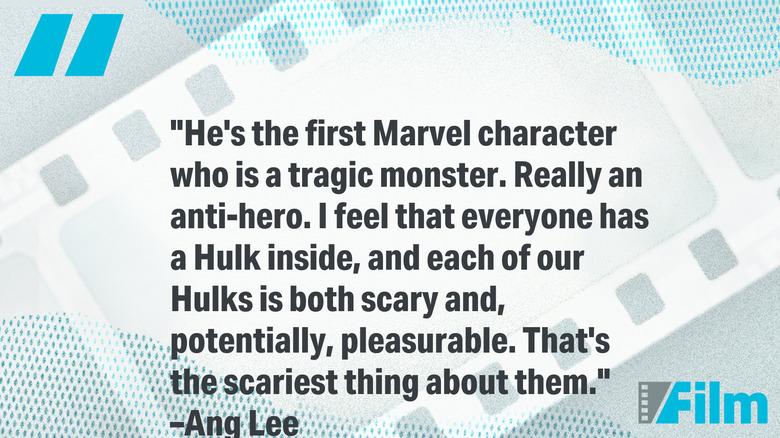
Perhaps no project better encapsulates his thematic preoccupations than his 2003 foray into the superhero genre, Hulk. While often viewed as an outlier in the era of early-2000s comic book adaptations, the film serves as a psychological key to understanding Lee’s entire body of work. At the heart of this exploration is a quote that has resonated for over two decades: "I feel that everyone has a Hulk inside, and each of our Hulks is both scary and, potentially, pleasurable. That’s the scariest thing about them."
The Genesis of a Monster: A Chronology of Artistic Evolution
To understand why Ang Lee gravitated toward a character like Bruce Banner, one must look at the trajectory of his life and career. Born in Taiwan in 1954, Lee’s early life was marked by the friction between personal ambition and familial expectation. His father, a school principal, represented a traditionalist pillar of society—one that viewed the arts as a secondary, perhaps frivolous, pursuit.
This tension—the struggle between the individual’s identity and the weight of ancestral or societal legacy—became the bedrock of Lee’s narrative voice. Following his move to the United States in 1979 to pursue film and acting, Lee found himself existing in the liminal space between Eastern and Western cultures. This "between-worlds" existence defined his early output, including his 1984 thesis film Fine Line, which chronicled the lives of immigrants navigating the complexities of Manhattan’s Chinatown.
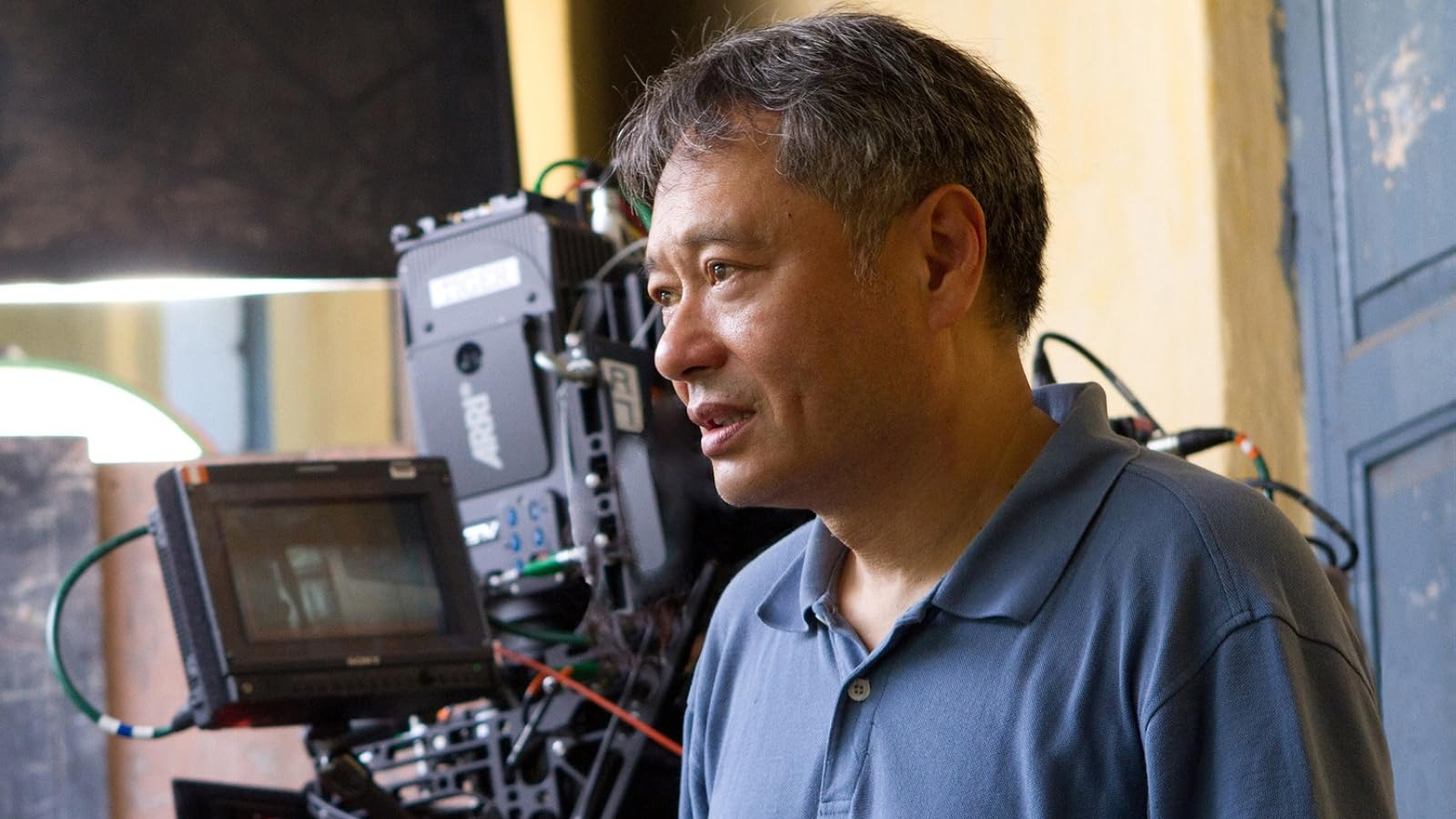
By the time Lee was tapped to direct Hulk for Universal Pictures in the early 2000s, he was already an established master of domestic tension. He did not approach the project as a standard superhero origin story. Instead, he treated it as a Greek tragedy, viewing the gamma-irradiated rage of Bruce Banner not as a superpower, but as a manifestation of repressed trauma and ancestral inheritance.
Supporting Data: The Psychological Anatomy of the "Hulk"
In the lead-up to the film’s June 2003 release, Lee offered a candid assessment of his protagonist during a roundtable interview in Los Angeles. He distanced his vision from the "superhero" archetype, labeling the Hulk instead as a "tragic monster."
"He’s the first Marvel character who is a tragic monster. Really an anti-hero," Lee explained. This perspective reframes the standard narrative of the Hulk. In Lee’s film, the monster is not merely a product of a lab accident; he is a manifestation of Bruce Banner’s suppressed memories. The "Hulk" is the literalized trauma of a man who cannot articulate the pain of his past.
The brilliance of this interpretation lies in its duality. Lee argues that the "Hulk" within each person—our capacity for unbridled, destructive rage or raw, unfiltered desire—is terrifying because it represents a total loss of control. Yet, it is also "pleasurable." It is the exhilaration of shedding the masks we wear in polite society. This duality explains why Bruce Banner is simultaneously haunted by his transformations and drawn to the sheer, primal liberation they provide.
Thematic Implications: Authenticity and the Cost of Repression
Ang Lee’s filmography is unified by a singular, persistent question: What happens when a person is forced to hide who they are?
This theme is perhaps most visible in his "Father Knows Best" trilogy (Pushing Hands, The Wedding Banquet, Eat Drink Man Woman). In these films, the conflict is rarely between "good and evil," but rather between the authentic desires of the protagonist and the stifling traditions of their elders. The harm, as Lee illustrates, is rarely the fault of the individual, but rather the result of a societal structure that refuses to acknowledge the reality of human complexity.
When we apply this lens to the rest of his career, the "Hulk" metaphor becomes universal:
- In Brokeback Mountain: The "Hulk" is the forbidden love between Ennis Del Mar and Jack Twist, a truth that must remain buried under the weight of a heteronormative, violent, and unforgiving rural society.
- In Sense and Sensibility: The "Hulk" is the raw, agonizing vulnerability of romantic longing, which the characters are forced to repress behind a veil of Victorian decorum.
- In Lust, Caution: The "Hulk" is the blurring of lines between duty and genuine human connection, where the characters find that their performance of deceit has been overtaken by their actual, suppressed feelings.
In every instance, Lee suggests that the most "destructive" events in his characters’ lives are not caused by their true selves, but by the pressure of keeping those selves trapped. Just as Bruce Banner causes property damage because he is denied the agency to understand his own history, the protagonists of Lee’s dramas suffer because they are denied the agency to live truthfully.
Official Responses and Critical Reassessment
When Hulk was released, audience expectations were skewed by the rising popularity of traditional, action-heavy superhero cinema. Many viewers were unprepared for the slow-burn, psychoanalytic approach Lee took. However, as the genre has matured, critics have begun to view Lee’s Hulk with a renewed sense of respect.
It is widely cited today as the only Marvel-adjacent film to successfully grapple with the existential horror of the character. By focusing on the "Hulk inside," Lee created a film that functions less like a comic book and more like an immersive, operatic exploration of internal conflict. His use of split-screen techniques, designed to evoke the tactile experience of reading a comic book, serves the narrative purpose of highlighting the fragmented, fractured nature of the protagonist’s psyche.
The Legacy of the Internal Struggle
Ang Lee’s philosophy remains a guiding light for filmmakers interested in the intersection of genre and psychology. His work challenges the audience to look inward, to acknowledge the "monsters" we keep caged, and to consider the cost of that confinement.
Whether through the lens of a giant green anti-hero or the quiet desperation of a 1960s Wyoming ranch hand, Lee’s message remains consistent: authenticity is not a luxury; it is a necessity for survival. When we allow our "Hulks"—our deepest fears, our hidden desires, and our unhealed wounds—to exist without shame, we stop being victims of our own internal destruction and begin the process of becoming whole.
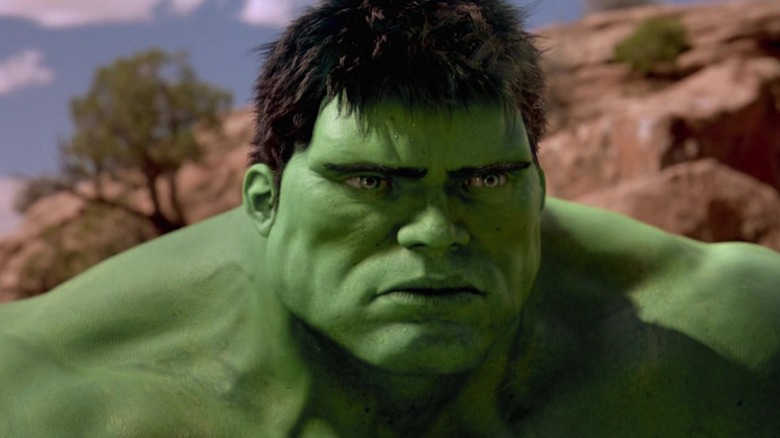
As Lee himself implies, the most frightening thing about the Hulk is not his strength, but the fact that he is a part of all of us. The true heroism, therefore, is not in suppressing that part, but in understanding it, accepting it, and ultimately, finding a way to live with it.