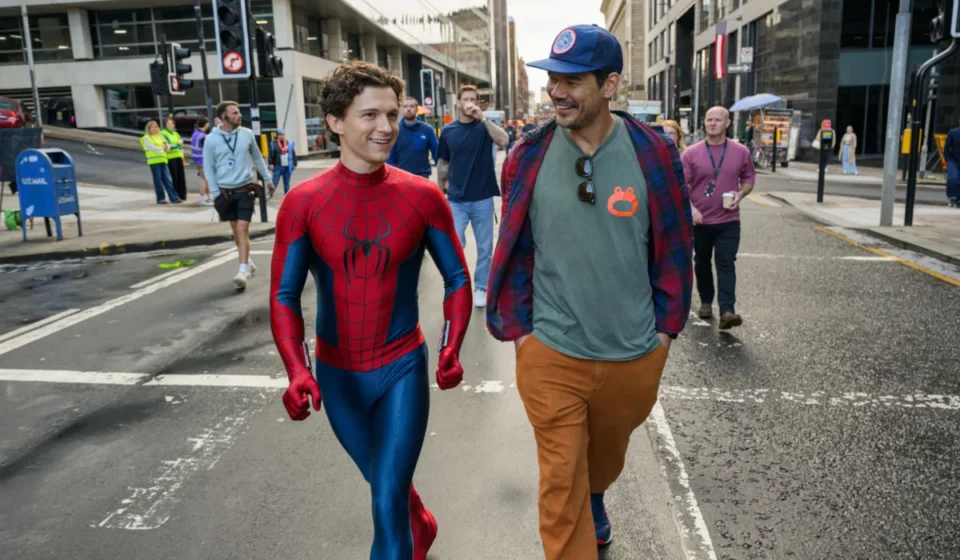
The Web of Destiny: Inside Destin Daniel Cretton’s ‘Spider-Man: Brand New Day’

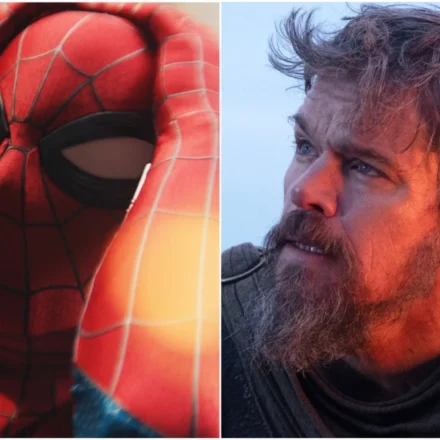
As Tom Holland approaches a decade of embodying Peter Parker, the trajectory of the Marvel Cinematic Universe’s most iconic wall-crawler has reached a profound, emotional inflection point. With the upcoming release of Spider-Man: Brand New Day, the franchise is not merely delivering another blockbuster—it is navigating a complex, character-driven shift. Stepping into the director’s chair is Destin Daniel Cretton, the visionary behind 2021’s Shang-Chi and the Legend of the Ten Rings, who now finds himself in the unique position of bridging the divide between Disney’s Marvel Studios and Sony Pictures.
For Cretton, the transition into the Spider-Man universe is as much a personal homecoming as it is a professional milestone. As the first director to helm projects under both the Disney MCU and the Sony MCU banners, his influence on the future of the character is significant. Yet, as he discusses the film’s premise, it is clear that the weight of the story lies in its intimacy rather than its spectacle.
The Foundation: A Hero Forgotten
When audiences last saw Peter Parker in Spider-Man: No Way Home, the narrative stakes were defined by a cataclysmic sacrifice. To save the multiverse, Doctor Strange enacted a spell that erased Peter Parker from the memories of everyone he ever loved. While the world remembers Spider-Man, the man behind the mask has effectively ceased to exist in the minds of his closest companions.

Brand New Day picks up in the shadow of this isolation. We find Peter navigating a lonely, hyper-focused life, dedicating his every waking moment to his duties as Spider-Man. He is cleaning up the streets, engaging with low-level street thugs and B-list villains, effectively burying his grief in a cycle of relentless vigilance. However, this status quo is threatened by a mysterious new entity—a foe capable of jumping between individuals—coinciding with disturbing, unexplained changes to Peter’s own health and latent abilities.
A Director’s Unconventional Journey
Cretton’s path to this project has been anything but linear. Following the critical and commercial triumph of Shang-Chi—which served as a vital beacon for the box office during the recovery year of 2021—Cretton was initially tapped to lead Avengers: The Kang Dynasty. When that project underwent a complete overhaul, resulting in its cancellation, Cretton was left without a franchise tentpole.
In the volatile landscape of modern Hollywood, such a pivot would typically signal a cooling of relations between a director and a major studio. Instead, the opposite occurred. In a testament to his rapport with Marvel head Kevin Feige, discussions regarding Spider-Man began almost immediately after the Avengers project fell through.

"I was a little bit scared that my relationship with Kevin might change," Cretton admits. "But it didn’t at all. On the day that wasn’t going to work out, we were talking about what could work out. And Spidey was mentioned. From the inside looking out, it’s not nearly as dramatic as it is from the outside looking in."
Bridging the Studio Divide: Disney and Sony
One of the most complex aspects of the Spider-Man franchise is its dual-custody arrangement. Directing a film in this space requires a delicate balancing act between Kevin Feige’s Marvel Studios and Sony Pictures, represented by executives like Tom Rothman and Amy Pascal.
For many, managing three such high-profile studio heads would be a daunting prospect. For Cretton, it was an exercise in collaboration. "On paper, it looks daunting to be juggling three powerhouse producers and studio heads who have all worked on some of the biggest movies in history," he explains. "And thank God they all like each other. They all helped to make the movie better at every point. I found that nobody let their egos get in the way of having a harmonious decision-making process."

The Emotional Core: Why ‘Brand New Day’ Matters
Beyond the web-slinging and the mysterious antagonists, Brand New Day is a deeply personal film for its director. Cretton notes that the premise of the film—a young man forced into total solitude—resonates with his own experiences in his twenties.
"I went through a period where I felt very alone, even though I was surrounded by other people," Cretton reflects. "I had gone through a big breakup, and some people close to me had passed away. It was very easy to feel like nobody else was going through this. My gut instinct was, ‘I’m just going to work. I’m not going to invest in other people.’ That is the place Peter is at the beginning of this movie."
This thematic choice allowed the creative team to intentionally "ground" the film. After the reality-bending chaos of the previous entry, the creative team focused on stripping away the fantastical to focus on the emotional stakes. By bringing the story down to the human level, they hope to recapture the essence of the classic Spider-Man archetype: a hero defined by his personal sacrifices.

Technical Details and Creative Choices
One of the most debated aspects of the film’s development involved the "rules" of the memory-erasure spell. Does the public record, such as high school yearbooks or digital footprints, still reflect Peter’s existence?
Cretton admits that the production team held exhaustive, perhaps even excessive, conversations about the logistics of the spell. Ultimately, they opted for a narrative approach that prioritizes the emotional experience over bureaucratic consistency. "We believe—gosh, we went back and forth—but we believe [he is not in the yearbook]," says the director. "But there’s a reason why you don’t see any photos in our movie. We didn’t actually go back in time and delete somebody so that everything changed from that point on. It’s really just a memory erasure of everybody’s brains."
The film also pays homage to the source material through the recreation of iconic comic book covers. These are not merely Easter eggs or fan service; they serve a functional purpose in the film’s visual storytelling. "We weren’t just choosing covers because they were a cool issue; we were choosing covers because they helped us tell the story," Cretton says. "Sometimes you get to see the 10 seconds before—our imagining of what happens 10 seconds before the frame we all know."

The Future of the MCU and Beyond
As for his future with other Marvel properties, specifically the long-awaited Shang-Chi sequel, Cretton remains optimistic despite his current commitments. "Dave Callaham and I have been developing it. We’ve been jumping into it recently. So, I really hope it is going to happen."
When asked if he would have the capacity to manage both a potential Spider-Man trilogy and a Shang-Chi follow-up, he laughs with the confidence of a filmmaker who has found his rhythm. "I’ve got all the time in the world."
Implications for the Industry
The success of Spider-Man: Brand New Day will likely be measured by more than just its box office receipts. It serves as a test case for how a studio can successfully pivot a director from a canceled mega-project into a character-centric, grounded narrative without losing momentum. By focusing on the "human" element of the hero, Cretton and his team are betting that audiences are ready to see a Spider-Man story that feels intimate rather than just an escalation of scale.

As Spider-Man: Brand New Day prepares to hit theaters on July 31, it carries the weight of a franchise, the expectations of two major studios, and the heart of a director who has poured his own history of isolation into the mask of the wall-crawler. Whether the film succeeds in redefining Peter Parker’s place in the world remains to be seen, but the intent—to find the person beneath the hero—is clear.
Key Release Information:
- Film Spider-Man: Brand New Day
- Director: Destin Daniel Cretton
- Starring: Tom Holland
- Release Date: Friday, July 31
- Production Context: First crossover director between Disney MCU and Sony MCU.