
The year 2026 has proven to be a watershed moment for the animation medium. While the industry at large continues to grapple with systemic instability, labor disputes, and the precarious nature of studio-driven production, the creative output remains nothing short of transcendent. Following the seismic shift in 2025, where the cultural phenomenon KPop Demon Hunters swept the Academy Awards and redefined the commercial ceiling for non-traditional animation, the current year has seen a surge in stylistic experimentation.
While behemoths like Pixar and DreamWorks have continued to deliver polished, high-fidelity experiences such as Hoppers and Forgotten Island, the true vitality of the medium is currently being found on the fringes. International studios and independent auteurs are utilizing animation to explore narrative depths previously reserved for live-action prestige dramas. From the tactile grit of stop-motion horror to the ink-washed melancholia of French dramas, 2026 is a year where the "animated" label is no longer a genre, but a canvas for profound human expression.
A Year of Global Renaissance: The State of the Industry
The shift in 2026 is marked by a departure from the "franchise-first" mentality that dominated the early 2020s. Following the massive independent success of Flow in the 2025 Oscar cycle, studios are increasingly emboldened to greenlight projects that prioritize singular artistic visions over market-tested IP.
The current crop of standout films highlights a diversification in production techniques. We are seeing a move away from the hyper-realistic 3D rendering that characterized the previous decade, favoring instead a return to hand-drawn sensibilities, ink-wash aesthetics, and the tangible, imperfect beauty of stop-motion. This shift is not merely aesthetic; it reflects a deeper industry trend of seeking "soul" in the work—a response to the encroaching anxiety surrounding automated production tools.
1. Iron Boy: A Masterclass in Ink and Emotion
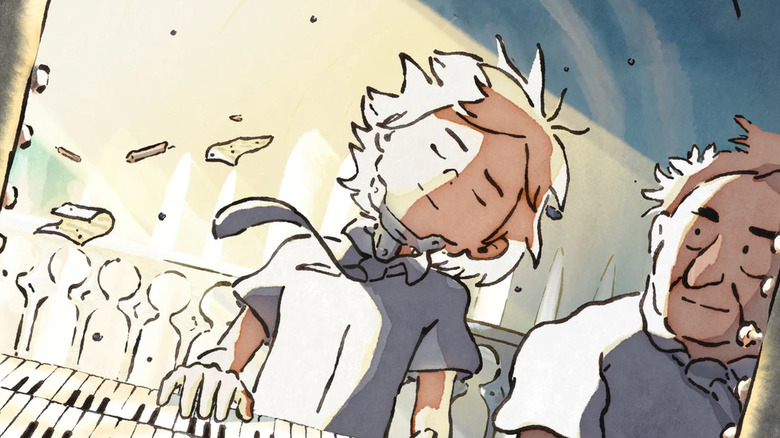
Directed by Louis Clichy, a veteran of the Pixar animation pipeline, Iron Boy represents a stunning pivot toward European art-house sensibilities. Set against the stark, sprawling backdrop of the French countryside, the film chronicles the life of 11-year-old Christophe, a boy grappling with both a scoliosis diagnosis and the impending financial collapse of his family farm.
The Aesthetics of Restriction
What makes Iron Boy a triumph is its marriage of form and function. Clichy employs a Chinese ink-brush aesthetic that feels both ancient and refreshingly modern. The thin, expressive lines of the characters contrast sharply with the vast, empty skies of the rural setting, visually reinforcing Christophe’s feelings of isolation. The "iron corset" he is forced to wear serves as a potent metaphor for the rigid, self-imposed barriers the protagonist builds to protect himself from the harsh realities of his world.
The Role of Music
The film’s emotional core is found in the organ music Christophe discovers at his local church. This creative outlet acts as the bridge between his rigid, armored exterior and his internal desire for transcendence. By the final act, the film successfully argues that animation is the only medium capable of depicting the feeling of "soaring" through such grounded, heavy subject matter.
2. Tangles: Animation as a Conduit for Trauma
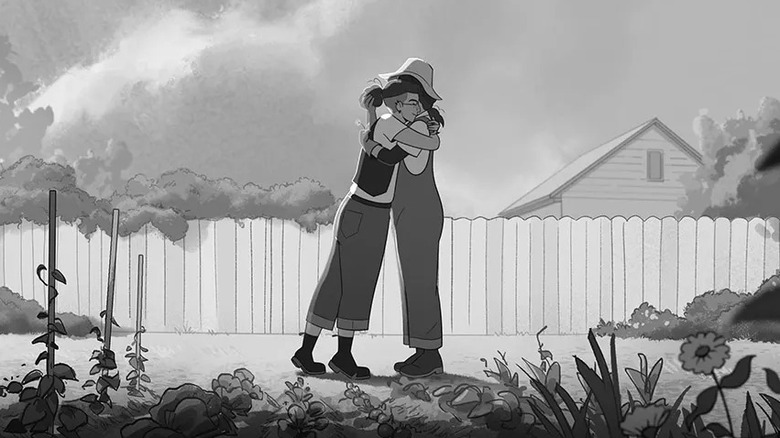
Directed by Leah Nelson and based on the graphic novel by Sarah Leavitt, Tangles is arguably the most emotionally taxing film of the year. It marks a significant milestone in how animation can handle mature, non-fictional themes. The narrative follows a cartoonist navigating the slow, agonizing decline of her mother, Midge, due to Alzheimer’s disease.
Technical Prowess in Monochrome
Tangles is primarily rendered in monochrome, a choice that strips away the visual "noise" of modern color palettes to focus entirely on character dynamics. The animation style is intentionally fluid and occasionally chaotic, mirroring the cognitive instability of the mother and the frantic, desperate headspace of the daughter. Color is used sparingly, functioning as a "bookmark" for precious, fleeting memories.
Performance-Driven Animation
The casting of Julia Louis-Dreyfus as Midge is a masterstroke. Rather than relying on physical likeness, the animation team captures the subtle, incremental changes in Midge’s mannerisms—a tilt of the head, a faltering smile, the gradual loss of warmth in her eyes. It is a haunting performance that elevates the film from a standard biopic to a profound meditation on the fragility of identity.
3. The Last Blossom: The Anime Noir We Didn’t Know We Needed
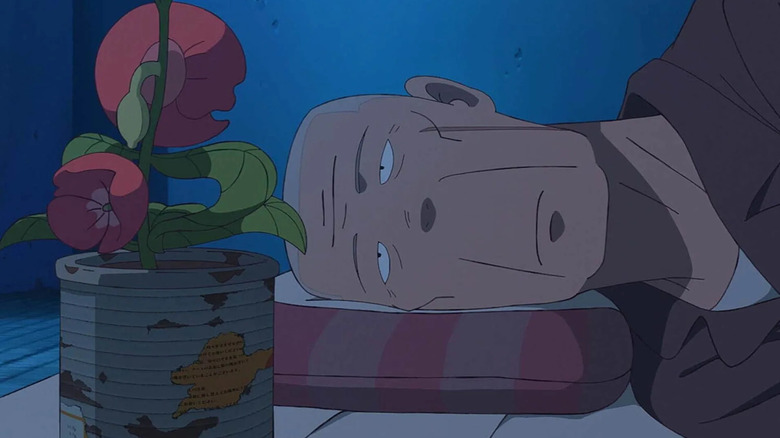
Baku Kinoshita, the visionary behind the surprise 2021 hit Odd Taxi, has returned with The Last Blossom. If Odd Taxi was the animated equivalent of a Coen Brothers caper, The Last Blossom is the medium’s answer to Martin Scorsese’s The Irishman.
Found Family and Magical Realism
The premise—a terminal, aging mobster finding companionship in a sentient, talking potted plant—sounds absurd on paper, yet it serves as the foundation for one of the most poignant dramas of the year. The film utilizes long, static shots and heavy dialogue to build a sense of gravity that is rarely seen in mainstream anime.
The Contrast of Stillness and Chaos
The film deftly pivots between the mundane realities of prison life and the colorful, high-stakes memories of a criminal past. The talking plant acts as a comedic foil, providing levity without undercutting the film’s central thesis: that no matter how dark one’s history is, the search for connection remains the defining human (or in this case, botanical) drive.
4. Coyote vs. Acme: The Triumph of "Looney" Cinema
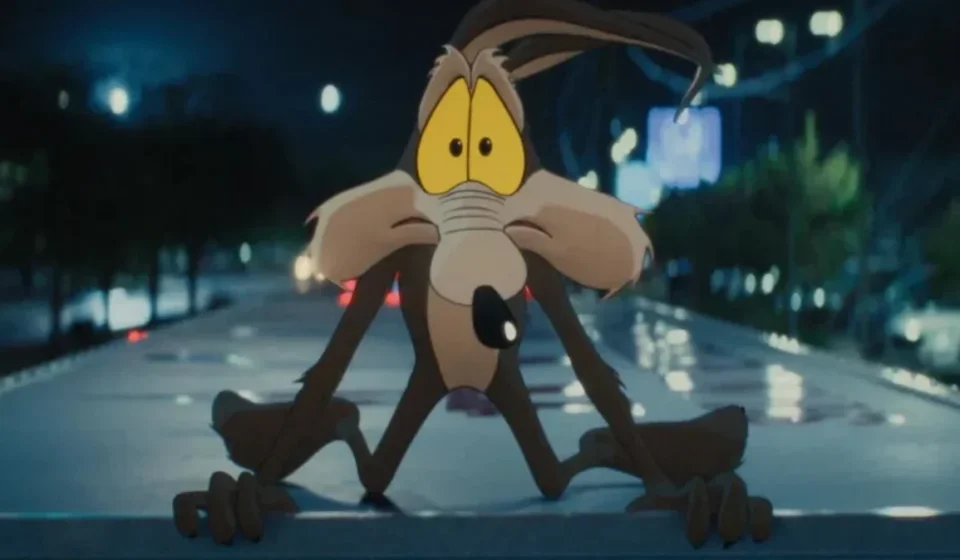
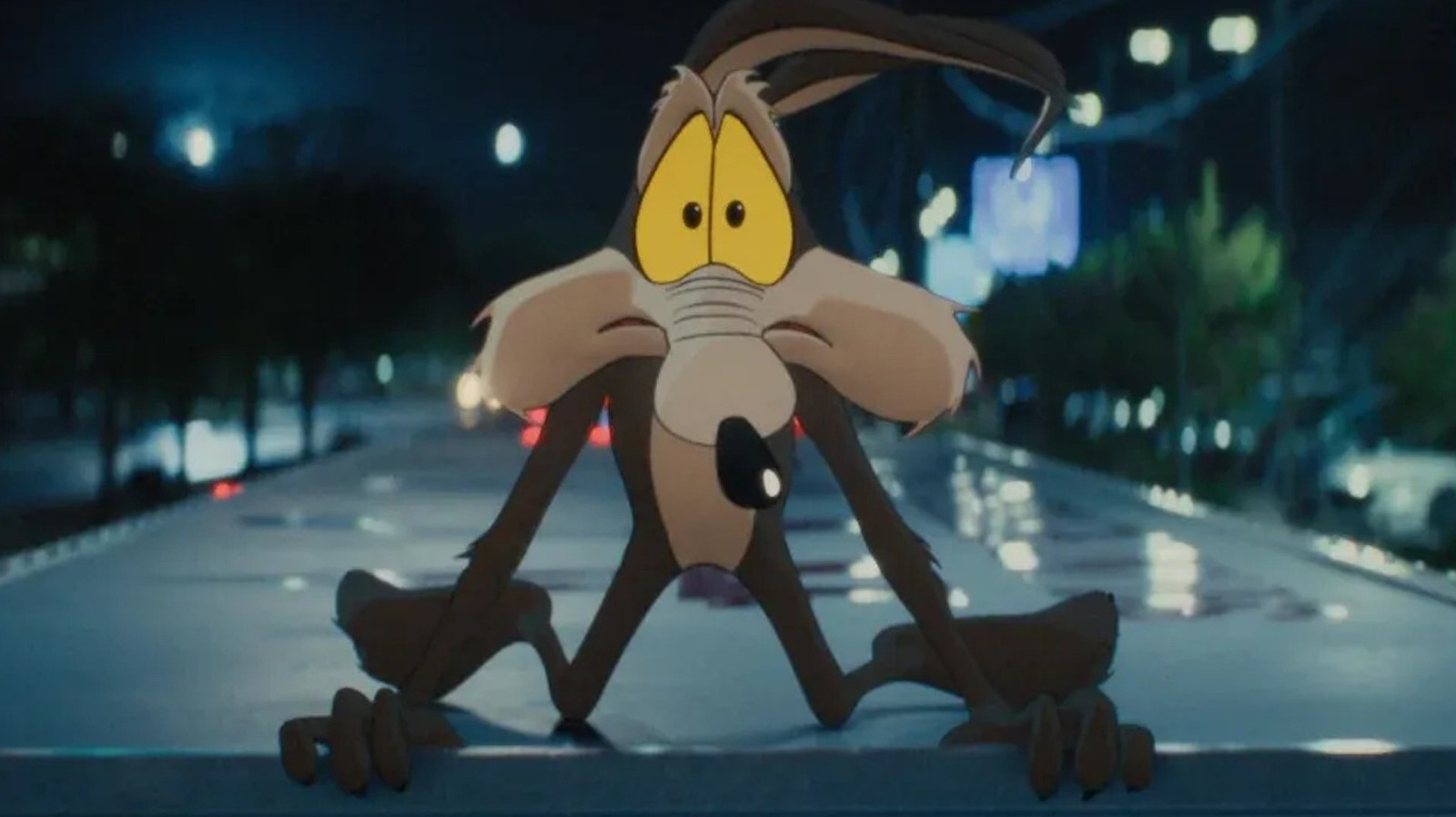
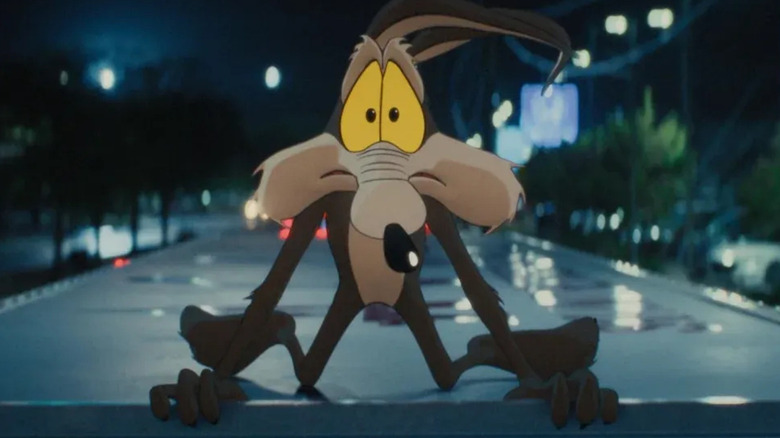
Perhaps the greatest narrative of 2026 is the survival of Coyote vs. Acme. Initially slated for tax-write-off obscurity by Warner Bros. Discovery, the film’s rescue and subsequent distribution by Ketchup Entertainment is a victory for creative freedom.
A Hybrid Miracle
Much like Who Framed Roger Rabbit, the film treats its animated icons not as sketches, but as living, breathing characters. By moving away from the "Bugs Bunny-centric" formula, the film allows Wile E. Coyote to become a genuine, sympathetic underdog. The film’s focus on the legal and personal battle between the Coyote and the Acme Corporation is a sharp, witty satire that feels entirely relevant to today’s corporate-dominated entertainment landscape.
Implications for the Looney Tunes
Coyote vs. Acme proves that these legacy characters still have immense narrative utility if handled with care. The film’s success serves as a direct rebuke to the industry trend of discarding "content" in favor of short-term financial maneuvering. It is, quite simply, a hilarious and heartwarming triumph of craft.
5. I Am Frankelda: Stop-Motion’s Gothic Revival
Produced by Guillermo del Toro and helmed by the Ambriz Brothers, I Am Frankelda is a standalone prequel to the series Frankelda’s Book of Spooks. It serves as a masterclass in the tactile, atmospheric power of stop-motion animation.
Tactile Nightmares
The film’s production design is nothing short of obsessive. Every frame feels lived-in, from the dust on the floorboards of the protagonist’s study to the intricate, monstrous designs of the creatures in the parallel "Land of Spooks." The film follows an aspiring horror writer whose dark fantasies manifest into reality, creating a gothic musical that feels like a cross between Mary Shelley and classic stop-motion folklore.
The Del Toro Influence
Guillermo del Toro’s fingerprints are evident in the film’s embrace of the "beautifully grotesque." By grounding the fantasy in the very real, very human struggle of a writer trying to find her voice, the film creates a sense of stakes that most modern blockbusters lack. I Am Frankelda is a reminder that when stop-motion is allowed to be truly dark and tactile, it achieves a level of immersion that CGI simply cannot replicate.
Summary and Outlook: What Lies Ahead
The common thread linking these five films is the refusal to compromise on vision. Whether it is the hand-painted intimacy of Iron Boy or the gothic grandeur of I Am Frankelda, these works suggest that the future of animation lies in the diversification of its voice.
As we look toward the remainder of 2026, the industry faces a crossroads. The success of these films, both critically and with audiences, provides a roadmap for studios to follow: prioritize the artist, respect the medium’s unique ability to handle complex emotional themes, and stop treating animation as a secondary, "kid-focused" product.
These films are not just the best of the year so far—they are a testament to the fact that animation is currently the most exciting, versatile, and essential medium in global cinema. For those who have been waiting for a reason to return to the theaters with high expectations, these five titles are more than enough.