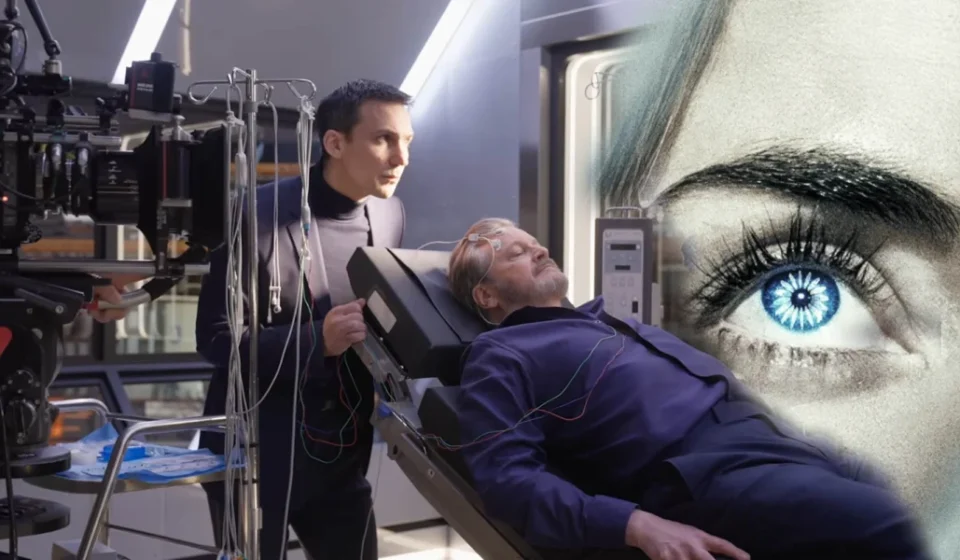
Decoding the Spielbergian Enigma: A Deep Dive into Disclosure Day and the Art of Invisible VFX

In the annals of science fiction cinema, few names carry the weight and historical significance of Steven Spielberg. From the awe-inspiring spectacle of Close Encounters of the Third Kind to the chilling, visceral intensity of War of the Worlds, Spielberg has spent decades defining how we visualize the extraterrestrial. Now, with his latest masterwork, Disclosure Day, the legendary director has returned to the genre with a project that pivots away from the blockbuster pyrotechnics of his past toward a more nuanced, intimate investigation of the "aliens-among-us" trope.
The latest episode of The VFXShow features industry veterans Matt Wallin, Jason Diamond, and Mike Seymour as they dissect the technical and narrative architecture of Disclosure Day. The discussion moves beyond the surface-level thrills, exploring how the film’s "invisible" visual effects serve as the backbone for a story about global paranoia, the persistence of memory, and the fragility of human connection.
Main Facts: A Convergence of Talent and Vision
Disclosure Day is, at its core, a high-stakes conspiracy thriller that evolves into a profound character study. Produced and directed by Spielberg from a tightly wound screenplay by long-time collaborator David Koepp, the film boasts a powerhouse ensemble cast including Emily Blunt, Josh O’Connor, Colin Firth, Eve Hewson, and Colman Domingo.
The premise is deceptively straightforward: a secret, government-adjacent corporation is embroiled in the recovery of extraterrestrial technology, with roots stretching back to the infamous Roswell incident. However, as the plot unfurls, the "conspiracy" becomes a backdrop for something much more resonant. It is a film that asks what happens when the extraordinary infiltrates the mundane. Rather than relying on massive, city-leveling destruction, Spielberg utilizes a sophisticated visual language to suggest a pervasive, quiet alien presence.
Chronology: The Evolution of the Narrative
To understand the trajectory of Disclosure Day, one must look at how the film orchestrates its reveals. Unlike traditional sci-fi films that rely on a single, climatic "reveal" of an extraterrestrial entity, Spielberg opts for a progressive pattern of encounters.
- The Inciting Incident: The story begins with the discovery of anomalous hardware, anchoring the film in the familiar territory of the thriller genre. This phase is characterized by sharp, clinical cinematography and a sense of institutional dread.
- The Pattern of Discovery: As the protagonists dig deeper, the alien presence manifests not as a physical invader, but as a series of cognitive disruptions. The film tracks the characters as they grapple with psychic connections, suppressed childhood memories, and a subtle but undeniable linguistic shift.
- The Synthesis: The final act eschews the traditional "battle for Earth" trope, favoring a contemplative sequence where the human and the extraterrestrial converge. It is here that the film earns its "Spielbergian" moniker, focusing on the possibility of communication across an infinite divide.
Supporting Data: The Craft of "Invisible" VFX
The core of the discussion on The VFXShow centers on the film’s visual effects strategy. In modern cinema, where CGI is often used to scream, the effects in Disclosure Day are designed to whisper.
The Philosophy of the Unseen
The VFX team, working under Spielberg’s precise direction, aimed to ground the alien influence in biological and environmental reality. This is achieved through:
- Biological Integration: The extraterrestrials are often represented through the behavior of animals and shifts in the natural landscape, forcing the audience to look for the "other" in the familiar.
- Psychic Visualization: The depiction of shared memories and psychic links required a delicate balance of practical effects and digital augmentation. These scenes are designed to feel like an intrusion of the subconscious rather than a technological overlay.
- Linguistic Architecture: One of the most fascinating aspects of the film is the gradual emergence of a shared alien language. The VFX team spent months developing a visual syntax that evolves alongside the characters’ understanding of it, ensuring that the "language" felt like an organic part of the film’s environment.
By keeping the effects "invisible"—seamlessly blended into the live-action photography—the film maintains a sense of realism that allows the audience to suspend their disbelief and focus entirely on the emotional stakes of the characters.
Official Responses and Industry Reception
The release of Disclosure Day has sent ripples through both the film criticism community and the visual effects industry. Industry observers have lauded the film for its restraint, noting that it represents a maturity in Spielberg’s approach to technology.
"The brilliance of Disclosure Day," notes Mike Seymour, "is that it treats its visual effects not as the product, but as the medium. The audience isn’t meant to marvel at the pixels; they are meant to marvel at the reality of the situation."
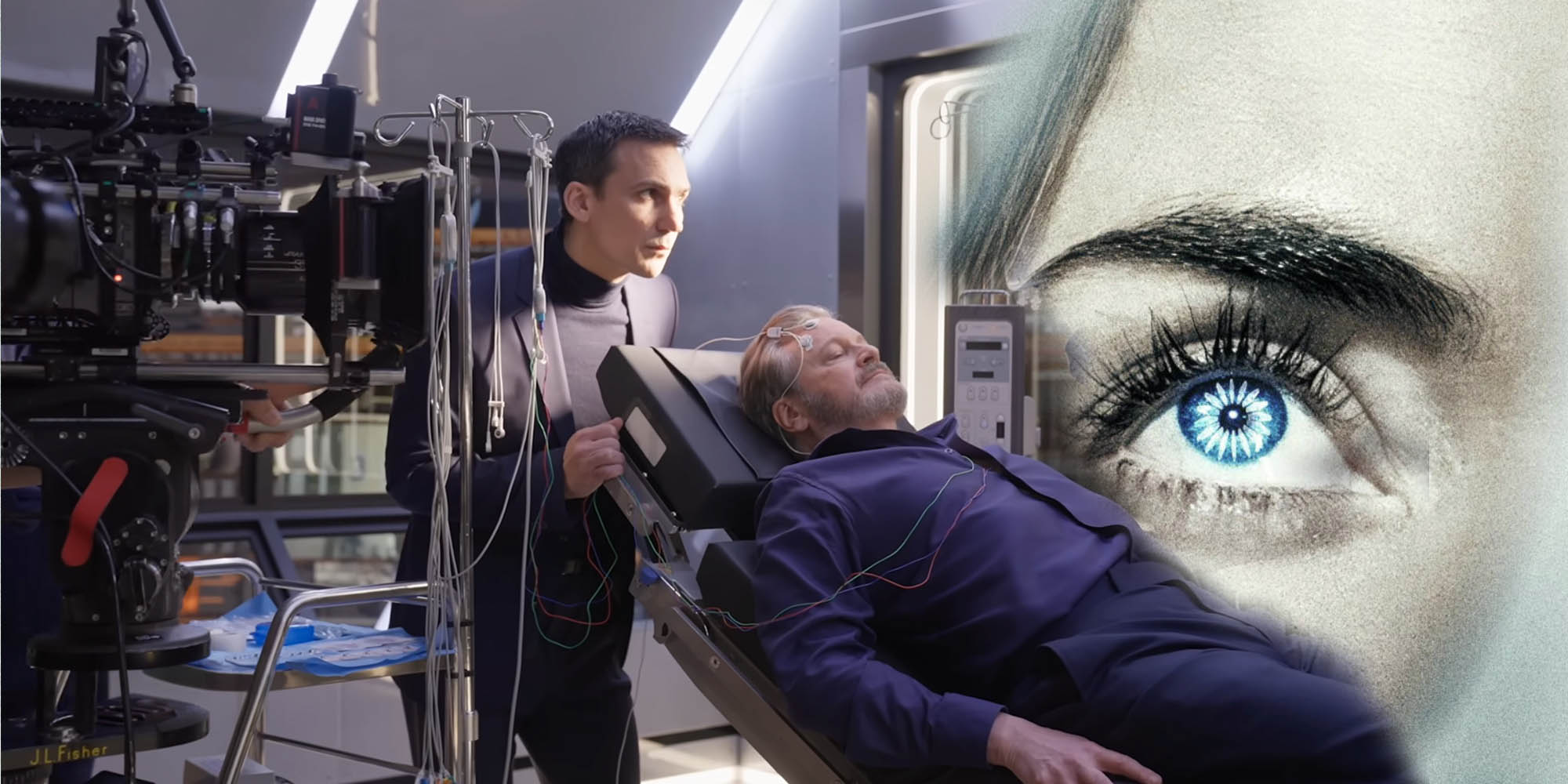
Universal Pictures, in their behind-the-scenes documentation, has emphasized the collaborative nature of the production. By integrating the VFX team into the pre-production phase, Spielberg ensured that the "alien" elements were part of the film’s DNA from the very first frame, rather than being added in post-production. This integrated workflow is being hailed as a new benchmark for narrative-first filmmaking in the digital age.
Implications: The Future of Sci-Fi
The success and methodology of Disclosure Day have significant implications for the future of the science fiction genre.
1. The Move Away from Spectacle
We are witnessing a shift in audience appetites. While massive "event" films still dominate the box office, there is a clear, growing demand for "smart" science fiction—films that prioritize character arc and philosophical inquiry over CGI set-pieces. Spielberg’s latest work serves as a proof-of-concept that high-concept ideas can be delivered with emotional intimacy.
2. The Normalization of Hybrid VFX
The film demonstrates that the most effective way to represent the "unreal" is to anchor it in the "hyper-real." By using VFX to enhance reality rather than replace it, filmmakers can create a sense of unease that is far more potent than any digital monster.
3. Communicating the Incommunicable
Perhaps the most lasting impact of Disclosure Day will be its exploration of communication. By using a visual language to represent an alien consciousness, Spielberg has challenged future filmmakers to find more creative, non-verbal ways to express complex narrative concepts. The film suggests that the next frontier of sci-fi is not the exploration of space, but the exploration of consciousness.
Conclusion: A Master at Work
As Matt Wallin, Jason Diamond, and Mike Seymour conclude in their analysis, Disclosure Day is a testament to the enduring power of Steven Spielberg. It is a film that refuses to offer easy answers, instead opting to leave the viewer with questions about memory, fear, and the profound, terrifying, and beautiful possibility of contact.
For those interested in the technical minutiae, the podcast episode serves as an essential companion piece, offering insights into the editing, production, and the unseen labor of the artists who brought this vision to life. Whether you are a casual moviegoer or a seasoned VFX professional, Disclosure Day demands to be watched, analyzed, and discussed.
In a cinematic landscape often crowded with noise, Spielberg has reminded us of the power of a quiet, calculated whisper. The aliens are among us, he seems to say—not in the skies, but in the spaces between our thoughts and the memories we keep hidden.
For more in-depth technical discussions on the latest in visual effects and cinema, be sure to subscribe to The VFXShow on Apple Podcasts, Spotify, and the fxguide YouTube channel. Special thanks to Jim “In three, two…” Shen for the production and editing of this week’s episode.