From Streaming to the Big Screen: Analyzing the Visual Feat of The Mandalorian and Grogu

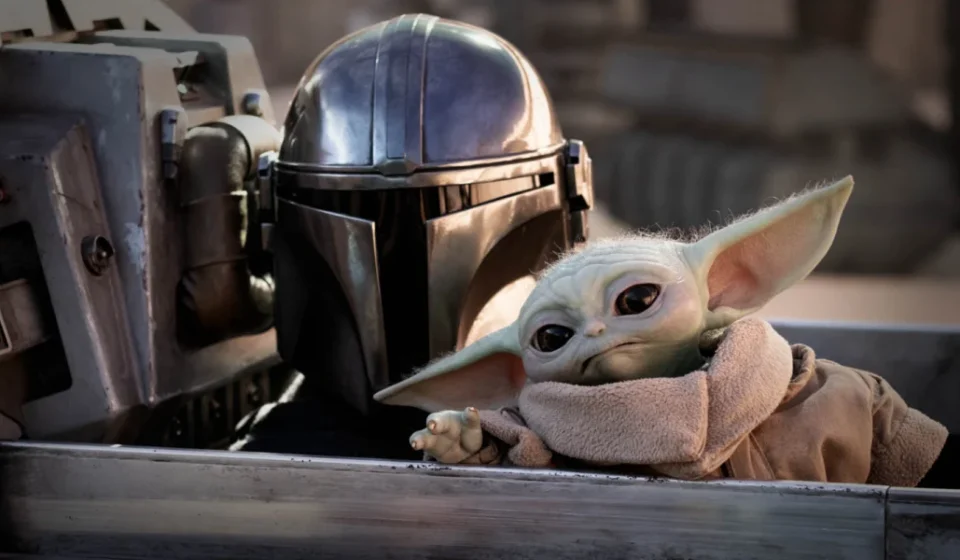
In the rapidly evolving landscape of 2026 cinema, few transitions have been as scrutinized—or as anticipated—as the leap from episodic streaming to the theatrical silver screen. With the release of The Mandalorian and Grogu, director Jon Favreau has successfully brought his flagship Disney+ franchise into the cinematic spotlight. The film serves not only as a continuation of the beloved journey of Din Djarin and his Force-sensitive ward but also as a definitive statement on the current state of visual effects (VFX) in the Star Wars universe.
The latest episode of The VFXShow brings together hosts Jason Diamond, Matt Wallin, and Mike Seymour to dissect this technical marvel. The team explores how the production team managed to scale up the intimate, texture-heavy aesthetic of the streaming series to meet the demands of IMAX and theatrical projection, all while balancing the delicate interplay between practical puppetry and digital artifice.
Main Facts: A New Chapter for the Mandoverse
The Mandalorian and Grogu represents a pivotal shift for Lucasfilm. What was originally slated as the fourth season of the popular television series was strategically recalibrated into a standalone theatrical feature. This transition allowed for a more expansive scope, taking the audience deeper into the post-Empire power vacuum of the galaxy.
The Narrative Arc
The film follows the titular duo as they are pulled into a high-stakes New Republic mission. The plot weaves together disparate threads of the Star Wars galaxy, introducing complex political maneuvering involving Rotta the Hutt, dangerous remnant warlord twins, and a gritty, gladiatorial combat sequence that highlights the visceral nature of the outer rim.
Technical Leadership
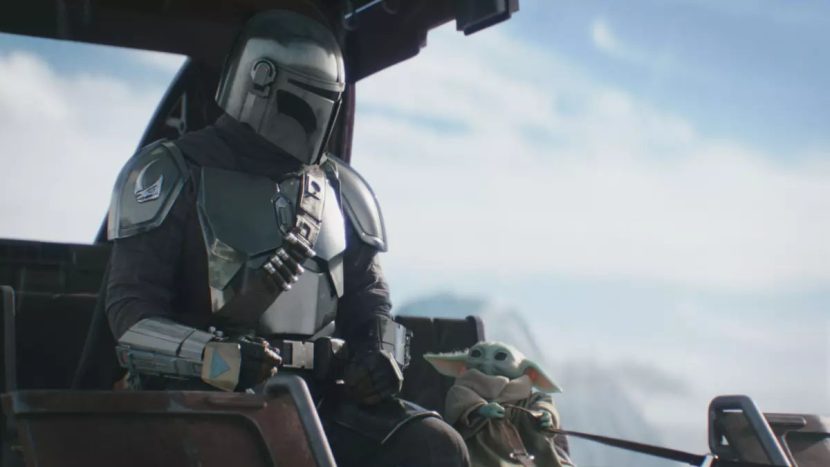
At the helm of the film’s visual fidelity is Industrial Light & Magic (ILM), under the expert guidance of legendary VFX supervisor John Knoll. Knoll and his team faced the unique challenge of maintaining the “LED-Volume” aesthetic—the hallmark of the series’ production—while ensuring the film looked sufficiently distinct and “larger-than-life” compared to its home-viewing predecessor.
Chronology: The Evolution of a Cultural Phenomenon
The trajectory of The Mandalorian reflects the broader transformation of Hollywood’s approach to intellectual property.
- The Streaming Genesis (2019): The Mandalorian premiered alongside Disney+, pioneering the use of real-time virtual production via the “Volume.” It set a new standard for how quickly high-fidelity digital environments could be generated for episodic television.
- The Pivot to Cinema (2024–2025): Recognizing the massive audience engagement, Lucasfilm leadership opted to pivot the development of Season 4 into a theatrical project, aiming to capture the prestige of the Star Wars theatrical brand.
- The 2026 Theatrical Debut: The film’s release serves as a litmus test for the industry. It arrives at a time when audiences are increasingly questioning the distinction between “cinematic” and “episodic” visual standards.
- Post-Release Discourse (Current): Critics and fans are currently dissecting the film’s visual language, specifically its reliance on hybrid character work—blending the physical presence of the Grogu puppet with sophisticated digital augmentation.
Supporting Data: The Hybrid Character Paradigm
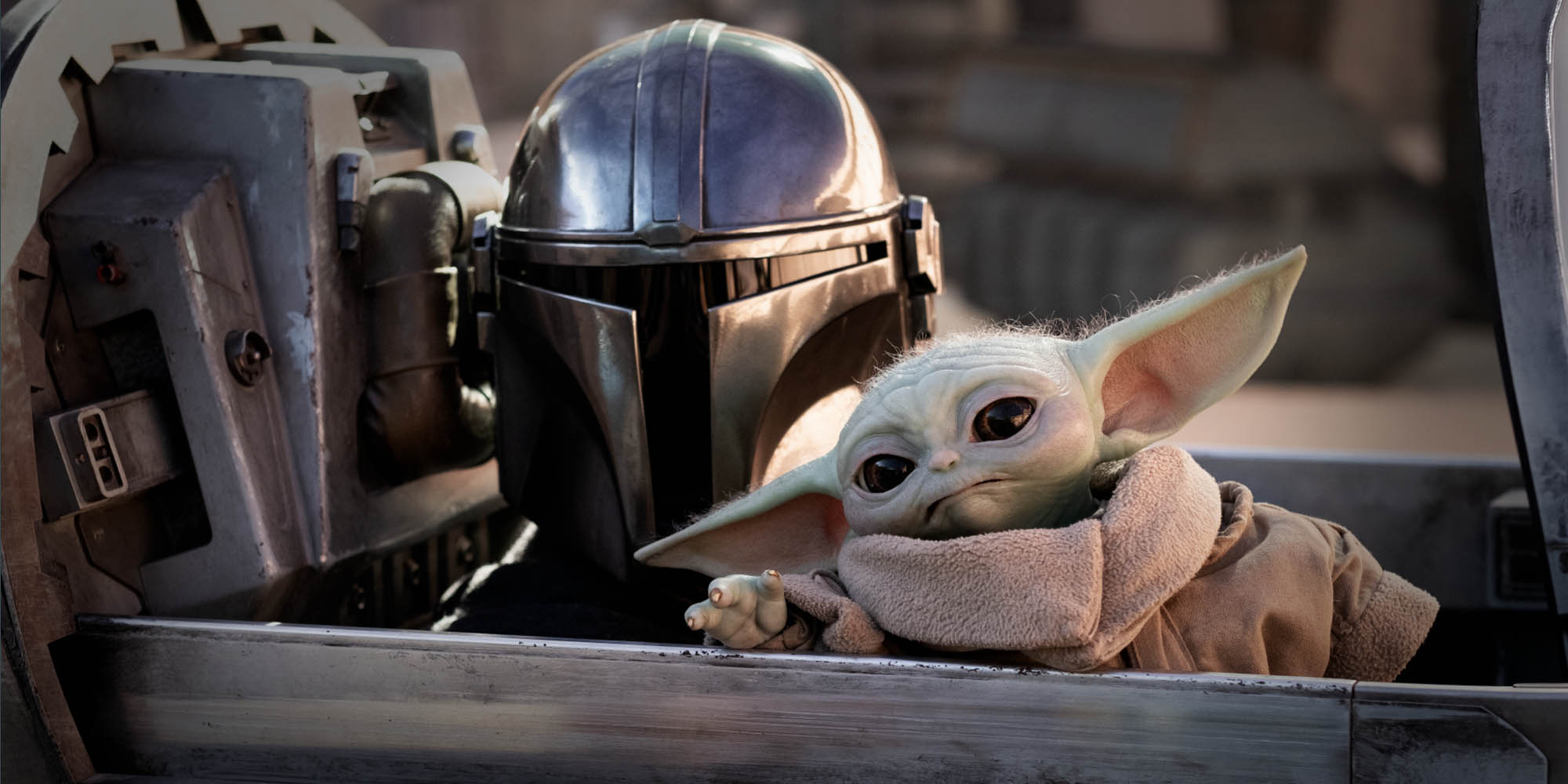
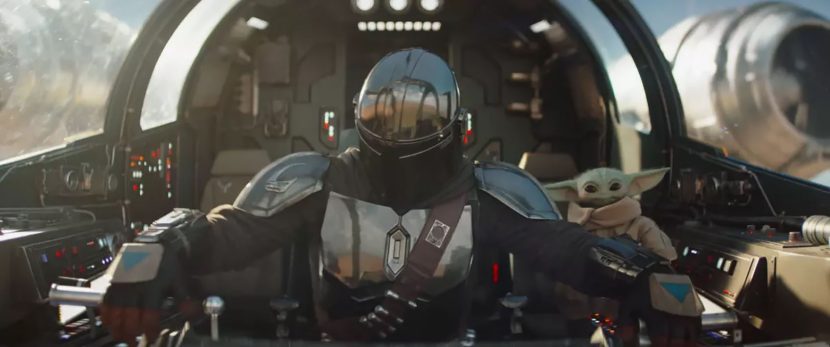
One of the most fascinating aspects of The Mandalorian and Grogu is its handling of the show’s breakout star: Grogu. In an era dominated by fully CG characters, the production has doubled down on the “hybrid” model.
The Art of the Animatronic
Grogu is not merely a digital asset; he is a performance piece. The film utilizes a complex combination of high-end animatronics and traditional puppetry, which is then refined through digital post-production. This approach ensures that the character maintains a tactile, “real” presence in the frame—a necessity for an emotional lead that lacks the ability to speak.
Practical vs. Digital
The VFX team focused heavily on:
- Creature Work: Building upon the established Star Wars bestiary with new, photorealistic entities.
- Digital Environments: Seamlessly stitching the Volume-shot footage with location-based plates to broaden the horizons beyond the studio floor.
- Iconography: Reintegrating classic Star Wars elements—such as the Razor Crest and vintage-style holographic effects (including an homage to the original 1977 “chess” pieces)—to anchor the film in the franchise’s deep history.
Official Responses and Industry Reception
The critical reception has been largely positive, particularly regarding the film’s refusal to abandon practical elements in favor of pure CGI. In the VFXShow episode, the hosts highlight the "emotional core" of the story, noting that the visual effects never overshadow the relationship between the two leads.
“The film asks a broader question about where we are in 2026,” says host Mike Seymour. “We are stuck between the nostalgia of 1970s puppetry and the infinite potential of digital augmentation. This film is the most successful attempt yet at finding the equilibrium.”
Matt Wallin, known for his deep dives into the technical minutiae of VFX, noted the importance of the “texture” of the film. By maintaining the specific grit and wear-and-tear of the Star Wars aesthetic, the film feels grounded, even when dealing with high-concept sci-fi tropes like gladiatorial combat and Hutt politics.
Implications: The Future of Star Wars Filmmaking
The success—or failure—of this cinematic experiment holds significant weight for the future of the Disney-Lucasfilm pipeline.
The Death of the "Streaming Look"
For years, there has been a lingering stigma that streaming content, even high-budget content, lacks the polish of theatrical features. By successfully bringing The Mandalorian to the big screen, Lucasfilm has effectively blurred the lines between the two formats. This implies that future seasons of streaming shows may be designed from the ground up with a “big screen” eye, potentially increasing production budgets and timelines.
The Nostalgia-Innovation Paradox
The film also underscores the industry’s ongoing tension between "new-world building" and "nostalgia." By including callbacks like the original chess holographs while simultaneously introducing complex, new gladiatorial threats, the film attempts to satisfy the demands of the legacy fanbase while proving the narrative can evolve into fresh territory.
The Role of the VFX Professional
As the panel on The VFXShow discusses, the job of the VFX supervisor is changing. They are no longer just “fix-it” technicians; they are storytellers who must understand the emotional weight of a scene to determine whether a shot requires a digital touch or a practical build. The return of the Razor Crest, for example, is not just a fan-service moment—it is a narrative device that requires specific, heavy-lifting VFX to sell the character’s emotional attachment to the ship.
Conclusion: A Benchmark for 2026
The Mandalorian and Grogu is more than just a box-office play; it is a technical case study in the power of hybrid production. As the industry continues to navigate the complexities of AI, virtual production, and the evolving expectations of the modern viewer, the work of John Knoll and his team at ILM provides a roadmap for the future.
Whether one is a casual fan or a professional in the VFX industry, the film invites a deeper appreciation for the craft behind the curtain. As we look toward the remainder of the year, it is clear that the “galaxy far, far away” remains the primary laboratory for the evolution of modern cinema. For those looking to dive deeper into the technical, artistic, and narrative choices made on set, the latest episode of The VFXShow serves as an essential companion piece, offering the kind of granular analysis that only a dedicated team of experts can provide.
Podcast Credits:
- Bounty Hunter: Matt Wallin (@mattwallin)
- Neo-imperialist Warlord: Jason Diamond (@jasondiamond)
- The Droid: Mike Seymour (@mikeseymour)
- Production: Jim Shen
To hear the full technical breakdown, subscribe to The VFXShow on Apple Podcasts, Spotify, or your favorite RSS-enabled app.