The Last Laugh: How The Comeback and Hacks Became the Final Defenses of Human Creativity

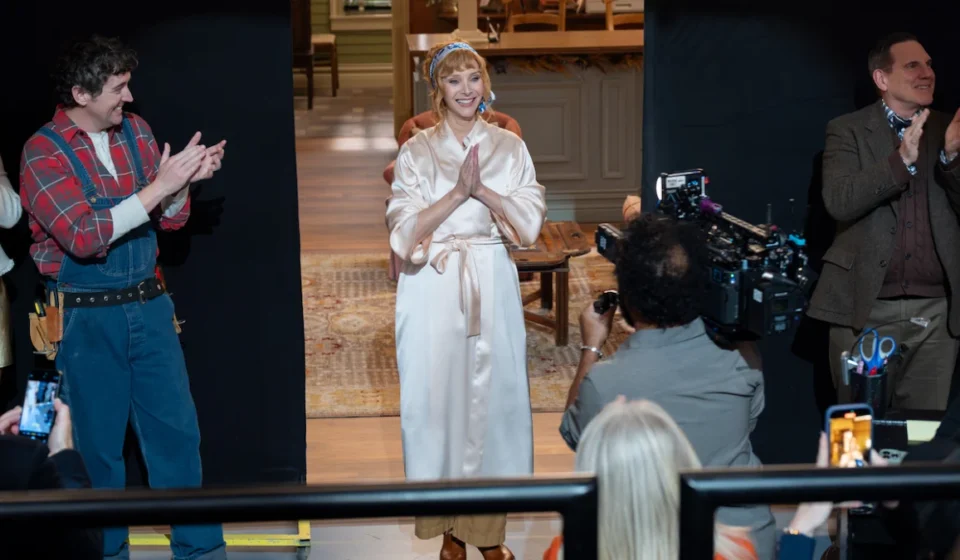
For two decades, The Comeback has served as the television industry’s most uncomfortable mirror. Created by Michael Patrick King and Lisa Kudrow, the HBO series first arrived in 2005 as a jagged, cutting-edge satire of the burgeoning reality television industrial complex. It captured the desperate, humiliating clawing for relevance by a former sitcom star, Valerie Cherish. Now, as the show concludes its third and final season, it finds itself once again at a historical crossroads, joined in the cultural zeitgeist by another titan of industry satire, Hacks.
Together, these two shows have evolved from mere comedies into profound sociological inquiries. They are no longer just mocking the quirks of Hollywood; they are actively documenting the existential threat posed to human artistry by corporate contraction and the rise of artificial intelligence.
Chronology of a Cult Phenomenon: From 2005 to the AI Era
The trajectory of The Comeback is intrinsically linked to the shifting tides of the television medium. When the show premiered in 2005, the industry was grappling with the “cheap” reality television revolution—a threat to the craft of scripted sitcoms. Valerie Cherish was the vessel through which viewers witnessed the degradation of the “star” in favor of the “personality.”
HBO revived the series in 2014, a time when reality TV had settled into its own form of legitimacy, but the industry was already pivoting toward the “prestige TV” explosion. The term “prestige” was being stretched to its breaking point, and the sheer volume of content began to dilute the meaning of quality.
Twelve years later—a span marked by a global pandemic, two industry-defining labor strikes, and massive corporate consolidation—Kudrow returns for a final chapter. In this swan song, the threat is no longer the tabloid or the reality camera; it is the algorithm. Valerie finds herself cast as the lead in How’s That?!, the first major sitcom written entirely by an artificial intelligence. This narrative choice is not merely satirical; it is a direct commentary on the anxieties currently defining the Writers Guild of America (WGA) and SAG-AFTRA, who have spent the last two years fighting to protect the human element of storytelling from being commodified by large language models.
The Human Cost of Algorithmic Comedy
The third season of The Comeback moves away from its traditional mockumentary format, opting for a more propulsive, character-driven narrative. Valerie, once the butt of every joke, emerges as a reluctant hero. She finds herself in an impossible bind: she needs the job to sustain her career, but she recognizes that the “joke-writing machine” powering her show is a parasite.
The horror of the situation is captured in the realization that the AI is plagiarizing the very actors currently performing its scripts. Fellow sitcom veterans recognize their own iconic lines, recycled and regurgitated by a system that has no understanding of subtext, timing, or the lived experience of the performer.
As veteran director James Burrows—appearing as himself—succinctly puts it in the show: "Surprising only comes from a group of writers huddled in a corner, beating themselves up to beat out a better joke."
This sentiment is echoed in Hacks, the Emmy-winning HBO Max series starring Jean Smart as the legendary comic Deborah Vance. While The Comeback treats AI as a pathetic, stale joke, Hacks frames it as a predatory corporate bogeyman. In the show’s fifth and final season, Deborah is approached by venture capitalists looking to license her likeness and material for a machine called "QuikScribbl." The show’s brilliance lies in its ability to pinpoint the exact moment a creator realizes the danger: it isn’t when the machine replaces the work, but when it suggests it can do the job better than the seasoned professional.
Supporting Data: The Parallel Struggles of Deborah and Valerie
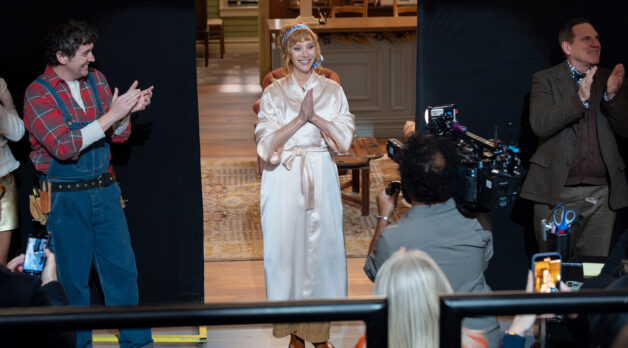
Both The Comeback and Hacks offer a dual-perspective on the endurance of the female icon.
- Valerie Cherish (The Comeback): A caricature of vanity who hides a core of genuine resilience. Her struggle is against the "new" Hollywood—a place where NuNet, a Big Tech-funded network, values efficiency over art.
- Deborah Vance (Hacks): A stand-up legend who, after losing her dream of hosting a late-night show due to corporate censorship and non-compete clauses, must fight to reclaim her voice in a climate that prefers "safe," algorithm-vetted content.
The thematic alignment between these two shows is staggering. Both series focus on the "endangered species" of the TV icon. They highlight that in an era of corporate contraction, the most dangerous thing a woman can be is "difficult" or "demanding"—terms often used to silence those who understand the value of their own creative labor.
Official Responses and Industry Sentiment
The creators of both series have been vocal about the reality of the industry environment that informed their writing. Lucia Aniello, Paul W. Downs, and Jen Statsky of Hacks have consistently framed their show as a love letter to the "grind" of comedy. They argue that the tension between Deborah (the veteran) and Ava (the Gen-Z writer) is representative of the necessary friction required to create something original.
Meanwhile, Michael Patrick King and Lisa Kudrow have utilized the final season of The Comeback to address the "inevitability" narrative often peddled by tech CEOs. By making the AI in their show technically proficient but soul-crushingly boring, they argue that efficiency is not the same as quality. The "inevitability" of AI is a marketing ploy—a digital version of a diner sign claiming to have the "Best Waffles in America." It is a claim sold by the people who profit from the product, not by those who consume it.
The Implications: Why This Matters to the Future of TV
The impending Emmy race between these two shows is more than just an awards season curiosity; it is a reflection of a fundamental shift in the medium. Hacks has already cemented its status with a 12-time Emmy winning streak, but The Comeback represents the historical foundation upon which this type of meta-showbiz satire was built.
The implication for the future is clear: if the industry continues to prioritize the "machine" over the "writer," we will enter a period of aesthetic stagnation. The success of these two shows lies in their rejection of that path. They are comedies, yes, but they are also acts of resistance.
By centering women who have survived the highs and the catastrophic lows of the entertainment industry, these shows provide an emotional depth that an algorithm could never replicate. They show us that the "comeback" isn’t about the fame or the money—it’s about the ability to speak one’s truth in a room full of people who are trying to mute you.
As the curtains close on both Valerie Cherish and Deborah Vance, the television landscape faces an uncertain future. The industry is currently shedding its human capital in favor of digital scalability. Yet, as both shows demonstrate, the audience is still looking for that "surprising" joke—the one that comes from the sweat, the struggle, and the singular perspective of a human being. Whether the industry survives its own technological hubris remains to be seen, but The Comeback and Hacks have at least ensured that the human spirit of television will have a loud, funny, and incredibly well-written final word.
If this is the end of an era, it is at least an ending with a point of view. And in a world of AI-generated content, that is perhaps the most valuable currency of all.