
Shadow Over the Star-Spangled Banner: 6 Horror Films That Capture the American Paradox

In the current landscape of the United States, there is a palpable sense of historical dissonance. It is, by any measure, a peculiar time to be an American. On one hand, the nation has recently experienced moments of genuine, euphoric cultural unity—from the New York Knicks clinching their first NBA championship in over half a century to the influx of international visitors during the World Cup, who have embraced American tradition with open arms.
Yet, simultaneously, the domestic climate remains fraught with tension. Citizens are navigating an increasingly volatile economy, grappling with the crushing weight of rising costs for basic necessities, and watching with trepidation as debates surrounding bodily autonomy and LGBTQ+ rights reach a fever pitch. As the nation approaches its 250th anniversary, the prospect of celebration feels, for many, deeply complicated.
To understand America is to acknowledge that it is a land of profound contradictions. It is a nation of immense beauty and cultural diversity, yet it is also a landscape defined by an undercurrent of violence and systemic instability. Horror cinema has long served as the dark mirror for this duality. In honor of the nation’s semiquincentennial, we have curated a selection of six films that distill the American experience into something visceral, terrifying, and undeniably iconic.
The Chronology of Fear: A Cinematic Study of the American Psyche
The following list explores films that utilize the horror genre to dissect the American mythos. While many of these selections lean into the imagery of the 4th of July—a holiday meant to signify freedom and unity—they ultimately expose the fractures beneath the surface of that national pride.
6. Jaws (1975) – The Cost of Commerce
Steven Spielberg’s Jaws remains the gold standard for summer horror. While the film is often celebrated for its technical mastery and John Williams’ legendary score, its enduring power lies in its indictment of American capitalism.
The plot is familiar: a great white shark terrorizes the fictional resort town of Amity Island just as the Independence Day weekend approaches. However, the true monster is not the predator in the water, but Mayor Larry Vaughn. His insistence on keeping the beaches open to ensure the town’s seasonal revenue, despite clear evidence of a lethal threat, serves as a scathing critique of corporate and political prioritization of profit over human life. It is a cynical, yet painfully accurate, depiction of the American municipal mindset.

5. The Purge (2013) – A Domestic Nightmare
James DeMonaco’s The Purge functions as a satirical mirror held up to the American obsession with violence and security. Set in a near-future United States, the film posits a reality where, to keep crime rates low, the government sanctions a 12-hour period where all illegal activity—including murder—is legal.
The brilliance of the film, particularly in its initial act, is the way it treats this annual atrocity as a mundane, patriotic duty. By framing the violence through the eyes of a security-system salesman, the film highlights the intersection of commerce and cruelty. In the modern era, the film’s depiction of political rhetoric—where violence is rebranded as a necessary expression of national strength—feels less like speculative fiction and more like a grim forecast.
4. The Bay (2012) – Ecological Hubris
Barry Levinson’s The Bay is a masterclass in found-footage horror that targets the American faith in progress and industrial expansion. The film, presented as a documentary, chronicles a biological catastrophe in a small Maryland town on July 4th.

As the residents of Claridge succumb to a parasitic infection, the local government’s response is one of total denial and obfuscation. Much like Jaws, the film relies on the failure of authority figures to protect the populace. The imagery is visceral, drawing on real-world fears regarding water contamination and bureaucratic neglect. It serves as a stark reminder that the American dream is often built on an environment we have failed to steward.
3. Blow Out (1981) – The Death of Innocence
While Brian De Palma’s Blow Out is technically a thriller rather than a supernatural horror film, it is undeniably one of the most chilling portraits of American political paranoia ever filmed. John Travolta stars as a sound technician who inadvertently records a political assassination.
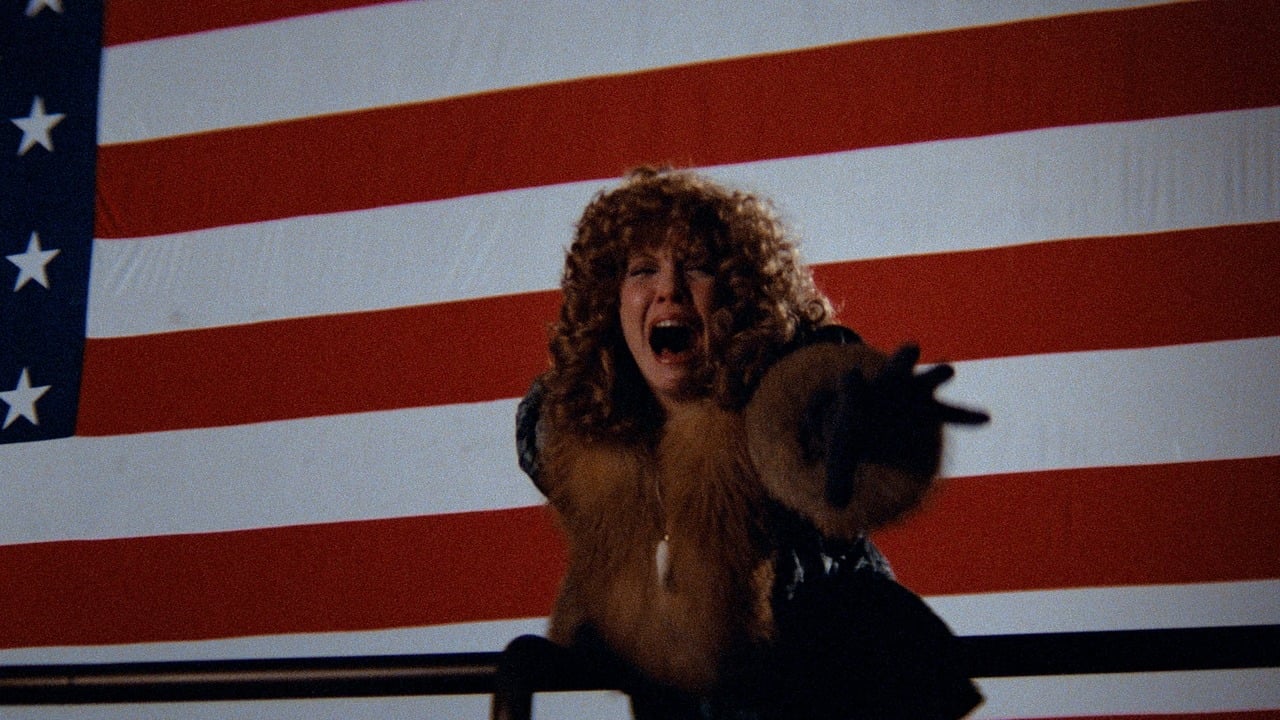
The film is an exploration of the cynicism that permeated post-Watergate America. The climax, featuring a haunting shot of the protagonist’s companion, Sally, standing beneath the American flag, serves as a final, crushing blow to the idea of a just system. It is a film about the realization that the truth is often buried beneath layers of political power, a theme that resonates deeply in our current era of misinformation.

2. Ravenous (1999) – The Cannibalism of Empire
Antonia Bird’s Ravenous is a cult classic that deserves far more academic and critical attention. Set during the mid-19th century, the film follows a U.S. Army outpost in the Sierra Nevada mountains that encounters a stranger claiming to have survived a trek where his group resorted to cannibalism.
The film serves as an allegory for Manifest Destiny and the violent expansionism of the early American republic. It posits that the consumption of human flesh is not merely a biological necessity, but a cursed byproduct of the desire to possess and conquer. With its dark, black-comedy tone and brutal violence, it remains one of the most biting critiques of the American colonial project.
1. I Know What You Did Last Summer (1997) – The Sins of the Youth
Rounding out our list is the quintessential teen slasher that defined a generation. While often dismissed as a standard horror flick, I Know What You Did Last Summer is a perfect distillation of the American anxiety surrounding accountability.

The narrative follows four friends who, after a 4th of July hit-and-run, attempt to bury their crime, only to be hunted by a vengeful killer. The film captures a specific brand of American aesthetic—the coastal town, the athletic youth, the hidden secrets—and subverts it with the inevitable consequences of privilege. It is a crowd-pleaser, certainly, but one that highlights the American tendency to try and "bury" the past rather than confront it.
Supporting Data: The Horror Genre’s Cultural Reach
The enduring popularity of these films—all of which are currently available on major streaming platforms like Tubi, YouTube, and Starz—indicates a persistent desire among audiences to engage with these national anxieties.
| Film | Primary Theme | Release Era Context |
|---|---|---|
| Jaws | Corporate Greed | Post-Vietnam disillusionment |
| The Purge | Societal Violence | Rise of political polarization |
| The Bay | Ecological Failure | Growing distrust of government |
| Blow Out | Political Paranoia | Post-Watergate cynicism |
| Ravenous | Colonial Violence | Re-examination of American expansion |
| I Know What You Did Last Summer | Accountability | 90s aesthetic of youth culture |
Implications for the Future
The recurrence of these themes—the corrupt mayor, the compromised politician, the unchecked industrialist, and the guilty youth—suggests that our national horror stories are cyclical. As we move toward the 250th anniversary of the United States, these films offer more than just scares; they offer a mirror.

If the "American Experience" is defined by a tension between our ideals and our actions, horror cinema is the genre that most honestly confronts the cost of those actions. Whether it is the literal consumption of the other in Ravenous or the metaphorical consumption of citizens for profit in Jaws, these films argue that the most terrifying thing about America is not a shark, a parasite, or a masked killer—it is the system that allows these threats to fester in the name of the status quo.
As we celebrate this summer, perhaps the most "American" way to mark the occasion is not through blind patriotism, but through a critical examination of the shadows we cast. These six films provide the perfect framework for that inquiry. They remind us that to be American is to live in a house with a cellar—and if we don’t check what’s inside, we can hardly be surprised when it comes knocking on our door.